Capital intereconomía shifts focus to AI, green markets
The gist
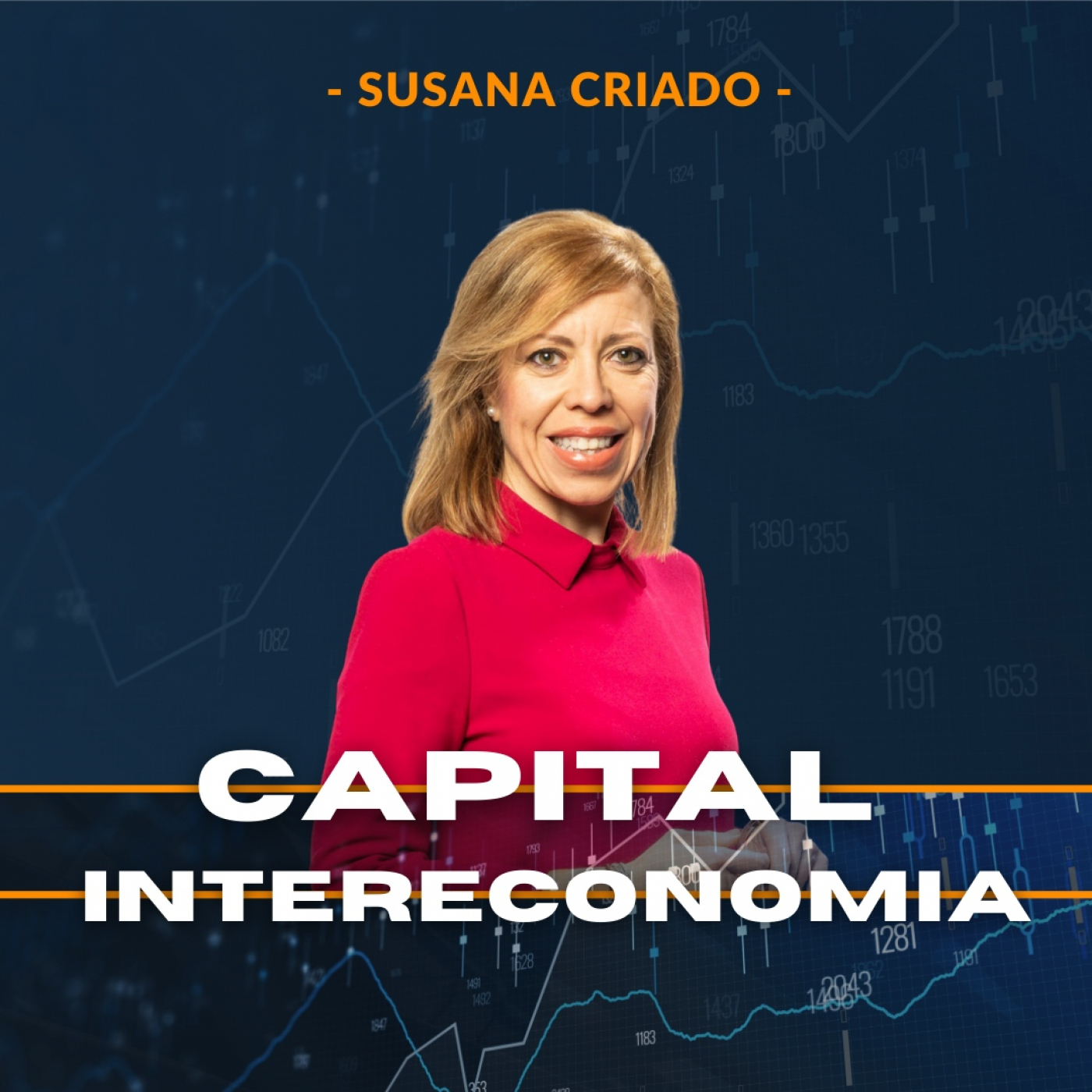
Capital Intereconom 3a is shaking up its playbook, pivoting from precious metals to the cutting edge of AI-driven investing and green market innovation.
What to know
- Corporate earnings from heavyweights like Novartis, Bankinter, Volkswagen, Alphabet, and Tesla are steering sector rotations and sparking market volatility.
- Investors are ditching large-cap tech for mid and small-cap firms, while AI is unlocking new strategies in the bond market beyond traditional sectors.
- The platform's revamped programming spotlights sustainability, digital innovation, and geopolitical trends across radio, apps, and podcasts.
AI Drives Bond Innovation
Artificial intelligence is reshaping fixed income strategies, steering investors toward mid and small-cap opportunities while challenging traditional sector boundaries amid volatile earnings and geopolitical shifts.
Artificial intelligence is reshaping fixed income strategies, steering investors toward mid and small-cap opportunities while challenging traditional sector boundaries amid volatile earnings and geopolitical shifts.
Digital & Green Programming Surge
Capital Intereconomía is amplifying digital business and sustainability narratives through multi-platform content, blending economic analysis with forward-looking green innovation and technological disruption.
The corporate earnings season is proving pivotal in shaping market momentum and sector rotation strategies, with standout performances from companies like Novartis, Bankinter, and Sabadell signaling strength in pharmaceuticals and banking, while Volkswagen's profit slump highlights challenges in the automotive sector. Meanwhile, major US tech firms Alphabet and Tesla continue to heavily influence Wall Street dynamics, with Tesla's results disappointing and Alphabet increasing AI investments, underscoring the mixed but impactful nature of earnings on investor sentiment. This earnings-driven environment unfolds amid a backdrop of geopolitical tensions and macroeconomic factors such as oil prices remaining above $90 and central bank policies, which collectively contribute to market volatility and cautious positioning across regions and sectors.
Investors are navigating a complex macroeconomic landscape marked by inflation trends, central bank decisions, and geopolitical uncertainty, including the upcoming US midterm elections and potential new tariffs on the pharmaceutical sector proposed by Donald Trump. This environment has intensified sector rotation, with a noticeable shift from large-cap technology giants toward mid and small-cap firms, while fixed income remains attractive despite narrowing credit spreads. Additionally, the rise of artificial intelligence is opening novel opportunities for bond investors beyond traditional tech companies, reflecting a broader thematic evolution influencing asset allocation and investment strategies across regions.
Technical analysis continues to play a crucial role in identifying actionable investment opportunities amid market volatility, with experts like Javier Alfayate, José María Lerma, Paco Pérez, and Roberto Moro providing insights on key national and international stocks. Their evaluations highlight critical price levels and emerging trends that help investors navigate the mixed market signals driven by earnings reports, geopolitical risks, and fluctuating interest rates, thereby supporting more informed decision-making in an uncertain economic climate.
Policy, Hydrogen, and Risk Focus
The platform highlights how targeted subsidies, deregulation, and hydrogen sector advancements are redefining industrial competitiveness and environmental risk management in Europe's evolving economic landscape.
Capital Intereconomía has positioned itself at the forefront of digital business and economic innovation by leveraging a multi-channel approach that includes radio, mobile apps, and popular podcast platforms like Apple Podcast and Spotify, ensuring broad accessibility to its content. This strategy not only promotes digital business initiatives but also integrates complex economic themes such as geopolitics and central bank policies, providing listeners with a comprehensive understanding of how these factors interplay with emerging digital trends.
The station’s programming underscores a future-oriented vision that marries innovation with sustainability, exemplified by José Luis Pichardo’s weekly show dedicated to green innovation. This program delves into critical topics such as zero emissions, decarbonization, and renewable energy, fostering a narrative that champions environmental responsibility as both productive and efficient. Such thematic focus reflects a broader commitment to exploring how emerging technologies like artificial intelligence serve as the 'new baton' orchestrating the modern economic symphony, driving efficiency and competitiveness in the digital economy.
Capital Intereconomía also critically examines the intersection of government policy and economic sustainability, highlighting incentives like the €4,500 subsidy for European-made electric vehicles and deregulation measures under the Trump administration that benefit small and mid-cap companies. These discussions extend to the hydrogen sector’s pivotal role in energy transition, with industry leaders such as Rafael Luque and Juan del Olmo analyzing its potential to enhance industrial competitiveness. Moreover, the platform addresses corporate environmental responsibility through expert insights from Darío Díaz on legal and financial risk management, emphasizing the growing importance of specialized insurance in mitigating environmental liabilities.
Beyond environmental and technological innovation, Capital Intereconomía tackles socio-economic sustainability challenges, including labor market dynamics where coordinated efforts among administrations, businesses, and healthcare professionals are essential to reduce absenteeism. Complementing this, the station spotlights efforts to bolster technological sovereignty within Europe, such as Paivotal’s development of a sovereign AI platform aimed at enhancing competitiveness and autonomy for European enterprises, signaling a strategic push toward digital resilience in a rapidly evolving global economy.