CHINT’s SF6-free gear tackles grid bottlenecks, AI power surge
The gist
CHINT just dropped SF6-free switchgear and oil-free substations to turbocharge Europe’s grid and keep up with the AI power boom.
What to know
- At CIGRE 2026, CHINT launched next-gen SF6-free switchgear (up to 420 kV) and a 13.8 MW oil-free PCS Integrated Substation to speed up renewable integration.
- Europe’s grid upgrade is stalled by interconnection delays of up to 45 months, while AI data centers are expected to more than double their electricity use to 945 TWh by 2030.
- Innovators like Teragen Energy and G2Power are rolling out modular fuel cells and AI-optimized energy storage to tackle grid bottlenecks and power the AI surge sustainably.
CHINT’s Green Grid Arsenal
CHINT’s SF6-free switchgear and oil-free substations signal a strategic pivot to eliminating toxic gases and leaks from grid upgrades, while a full-stack of advanced power tech positions the company as a one-stop shop for future-proof energy infrastructure.
At CIGRE 2026, CHINT made a bold environmental statement by unveiling its next-generation SF6-free medium- and high-voltage switchgear, including GIS equipment rated at 24 kV, 145 kV, and 420 kV. This innovation underscores CHINT’s commitment to sustainable grid technologies that enhance performance while eliminating the ecological risks associated with SF6, a potent greenhouse gas traditionally used in switchgear.
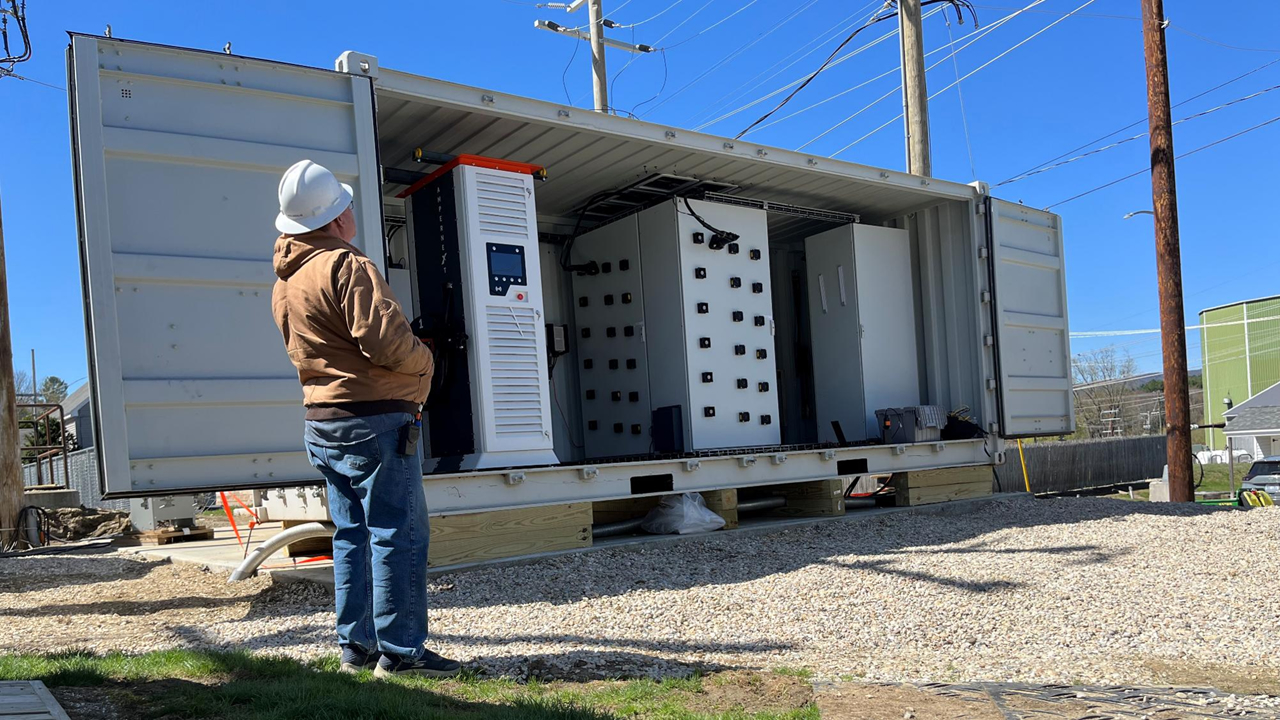
Complementing its SF6-free switchgear, CHINT showcased a 13.8 MW PCS Integrated Substation designed as a compact, plug-and-play solution for large-scale energy storage and renewable integration. This turnkey system reduces installation time, system losses, and environmental risks through its oil-free design, which minimizes leaks, pollution, and noise—key factors in accelerating grid modernization and supporting Europe’s renewable energy ambitions.
Beyond standalone products, CHINT demonstrated a comprehensive suite of advanced power technologies including cascading energy storage systems, solid-state transformers (SSTs), solid-state circuit breakers (SSCBs), and Data Center Power Pods. This full-stack portfolio highlights CHINT’s strategic focus on delivering integrated, reliable, and future-ready power infrastructure that addresses the complexities of transmission, distribution, storage, and end-use applications, particularly catering to the growing power demands of AI data centers.

Gridlock Threatens Europe’s Transition
Decades-long delays in grid interconnections and bottlenecks in physical infrastructure are forcing Europe to rethink grid design, with massive new power lines and diverse storage solutions now essential to avoid wasting renewables and meet soaring electricity demand.
Europe's grid modernization faces a critical bottleneck as interconnection and permitting delays have stretched the queue for new projects from 15 months two decades ago to nearly 45 months today, severely constraining the rapid expansion of renewable energy and electrification. This challenge is compounded by the surging power demand from sectors like AI data centers, whose exponential compute growth underscores the urgent need for a reliable and scalable electricity supply. As one analyst noted, 'making the grid better is totally undervalued,' highlighting grid infrastructure as foundational to Europe's energy transition goals.
While renewable generation technologies such as solar, wind, and batteries can be deployed relatively quickly, the slow build-out of traditional grid infrastructure—particularly poles and wires—remains a major hurdle. This gap necessitates flexible and rapidly deployable grid technologies to keep pace with demand and facilitate renewable integration. For example, Britain's inability to transfer abundant wind power from its resource-rich north to the south forces costly curtailments, illustrating how regional imbalances in energy production and consumption demand innovative grid solutions.
The physical expansion and upgrade of power lines are indispensable to fully harness renewable energy, with estimates projecting a need for roughly 80 million kilometres of new power lines globally by 2040—effectively rebuilding every power line on Earth. However, grid modernization alone is insufficient; integrated energy storage solutions are vital to manage the intermittency of renewables. Current battery capacities fall short of absorbing all renewable output, as seen in countries like China, which supplement storage by using surplus power for pumped hydro, underscoring the necessity of combining grid upgrades with diverse storage strategies.
Maximizing the benefits of a modernized, renewable-powered grid also hinges on the electrification of demand-side applications such as transport and heating. Transitioning from petrol cars to electric vehicles and replacing gas boilers with heat pumps exemplify how clean, affordable electricity can drive deeper decarbonization. This shift not only reduces emissions but also helps balance grid demand, reinforcing the symbiotic relationship between grid modernization, renewable integration, and widespread electrification.


AI Data Centers Rewrite Power Playbook
Exploding energy needs from AI data centers are accelerating adoption of modular power systems, solid-state transformers, and industry alliances, as tech giants race to ditch diesel and build resilient, scalable, and sustainable backup power at hyperscale.
AI data centers are rapidly becoming power-hungry behemoths, with electricity consumption projected by the IEA to more than double from 415 TWh in 2024 to 945 TWh by 2030. This surge exposes critical bottlenecks in reliable and scalable power infrastructure, driving innovators like Giga Energy to adopt modular, full-stack approaches that integrate hardware deployment with power management, echoing the shift bitcoin miners made when power scarcity dictated value. Meanwhile, decentralized energy storage solutions akin to Tesla Powerwall models are emerging as flexible tools to stabilize grids and provide backup power, effectively creating a decentralized electrical ecosystem that supports these sprawling AI facilities.
Solid-state transformers are poised to revolutionize AI data center power delivery by combining AC/DC conversion into compact, modular units that simplify infrastructure and enhance control over energy flows to server racks packed with AI chips. Companies like Amperesand, Heron Power, and DG Matrix have collectively raised over $280 million to commercialize this silicon carbide-based technology, which not only alleviates traditional transformer supply chain constraints but also enables faster deployment and easier upgrades—addressing the urgent need for scalable, efficient power solutions in hyperscale AI environments.
The quest for clean, resilient backup power in AI data centers has catalyzed unprecedented collaboration among hyperscalers such as Google, Microsoft, and AWS, who formed the NET zero Innovation Hub consortium to replace diesel generators with sustainable alternatives. Finergy’s selection from over 70 global proposals to co-develop megawatt-scale clean backup units, in partnership with Schneider Electric and Vertiv, underscores the critical role of industry alliances and prior relationships in scaling innovative energy technologies tailored to hyperscaler demands.
Emerging onsite power generation technologies like Teragen Energy’s advanced solid oxide fuel cells offer modular, fuel-flexible, and near-zero pollutant solutions that address grid capacity constraints and infrastructure delays faced by AI data centers. Supported by $6 million in funding, Teragen’s technology balances the energy trilemma by delivering reliable, low-carbon, and economically viable power, while G2Power’s immersion-cooled energy storage systems—featuring AI-driven battery monitoring and over 60% reduction in operating power consumption—further enhance safety and efficiency. Together, these innovations are shaping an integrated energy future where solar generation, advanced ESS, and smart switchgear converge to meet the explosive growth of AI computing needs worldwide.