CHROs sound alarm on AI readiness amid c-suite hype
The gist
CHROs are throwing cold water on C-suite AI hype, sounding the alarm about major gaps in workforce and managerial readiness even as IT leaders charge ahead.
What to know
- Only 13% of CHROs say job designs are AI-ready and just 14% feel learning functions are prepared, lagging far behind IT’s 96% confidence in AI learning readiness.
- Nearly half of CHROs don’t trust their managers to lead AI adoption, and 43% of managers feel ill-equipped—revealing a leadership and skills gap that threatens transformation.
- Organizations where HR and IT share AI workforce decisions act 13% faster and are 67% more confident, but just 35% have this alignment today.
CHROs Warn of People Gaps
HR leaders are pushing back against C-suite optimism, citing deep-rooted people, skills, and trust challenges that threaten to derail AI transformation before it starts.
CHROs stand out as the most skeptical among C-suite leaders regarding their organizations' readiness for AI-driven workforce transformation, particularly in job design and learning capabilities. Only 13% strongly agree that job designs are AI-ready, less than half the overall C-suite average of 28%, and a mere 14% feel their learning and development functions are prepared for AI, compared to 36% across executives. This cautious stance reflects a pragmatic recognition of the complex people-related challenges that must be addressed to realize AI's potential value, as Fran Maxwell of Protiviti emphasizes the critical need for investment in people enablement and organizational redesign beyond mere technology deployment.
Despite broad optimism about AI’s business impact, CHROs express deep concerns about managerial preparedness to lead AI-enabled workforces, with nearly half lacking confidence in their managers' ability to guide employees through AI adoption. Studies reveal that 43% of managers feel poorly equipped to lead AI transformation, compounded by organizational tendencies to overload managers with responsibilities during AI rollouts. Joelle Emerson highlights a troubling disconnect, questioning the involvement of chief people officers in critical decisions like management layer reductions, underscoring the risk that insufficient managerial readiness could undermine AI initiatives.
A significant organizational gap persists in aligning jobs and talent strategies with AI capabilities, as 84% of companies have yet to redesign roles to fit AI-driven workflows, and less than half have adjusted talent strategies to address AI skill shortages. CHROs worry about the disruption of entry-level job trajectories due to automation, particularly in data entry and customer support roles, which threatens workforce development pipelines. This disconnect is further complicated by mixed employee sentiment and trust issues around AI, with nearly 30% of workers admitting to sabotaging AI initiatives, highlighting the formidable people challenges CHROs must navigate to foster acceptance and readiness.
In response to these challenges, many CHROs are actively promoting AI training and peer learning initiatives, with 57% providing AI training for managers and 62% establishing centers of excellence and internal AI champions. However, only a small fraction—3% of executives—consider their leaders 'highly prepared' to direct AI adoption, reflecting ongoing skepticism about managerial readiness. HR leaders stress the importance of leading with empathy and investing in human skills alongside technological change to maintain organizational humanity, recognizing that clear communication and support are essential to alleviate employee anxiety and foster a positive culture amid AI transformation.


C-Suite’s AI Confidence Gap
While IT leaders drive bullish AI expectations, experts warn that real business value depends on board-level governance and aligning AI with broader organizational priorities—not just technological deployment.
By early 2026, nearly 80% of C-suite executives express strong optimism that AI will significantly enhance both bottom- and top-line business performance within three years, with IT leaders leading this confidence. Specifically, 96% of IT executives are positive about their organizations' AI learning readiness, and 88% expect over a quarter of IT work to be AI-enabled soon, underscoring a widespread belief in AI's transformative potential to drive operational efficiency and revenue growth.
Despite this enthusiasm, leading voices like Edosa Odaro and Markus Krebsz caution that AI's value is not automatic and must be cultivated through sustainable, trusted, and inclusive practices. They emphasize that competitive advantage now hinges on treating AI governance as a strategic, board-level capability rather than a mere technology deployment, with success measured beyond productivity to include fairness, safety, workforce adoption, and societal impact—ensuring AI initiatives deliver enduring business value.
Broader C-suite executives also stress the critical importance of aligning AI strategies with overall business and supply chain goals to maximize impact. As one executive noted, integrating AI with business and supply chain strategies is the 'number one priority,' while recognizing that divergent AI approaches—such as job reduction versus innovation—must be clearly articulated to prevent conflicting organizational directions and fully harness AI's benefits.

HR-IT Collaboration: The Missing Link
Organizations that unite HR and IT on AI workforce strategy move faster and with more confidence, but most still operate in silos, risking slow adoption and ethical blind spots.
Bridging the divide between CHROs and CIOs is pivotal for effective AI workforce readiness, as organizations that co-own this responsibility act 13% faster on workforce changes and are 67% more likely to feel equipped to make rapid decisions amid AI-driven transformation. However, only 35% of HR and IT leaders currently make AI workforce decisions jointly, and 54% cite lack of alignment as a top barrier, stemming from fragmented data and slow upskilling processes. As Guna Jayaraman of Cornerstone OnDemand emphasizes, a shared view of skills and roles enables faster, more confident decision-making, while close HR-IT collaboration nearly triples employee preparedness for change compared to siloed approaches.
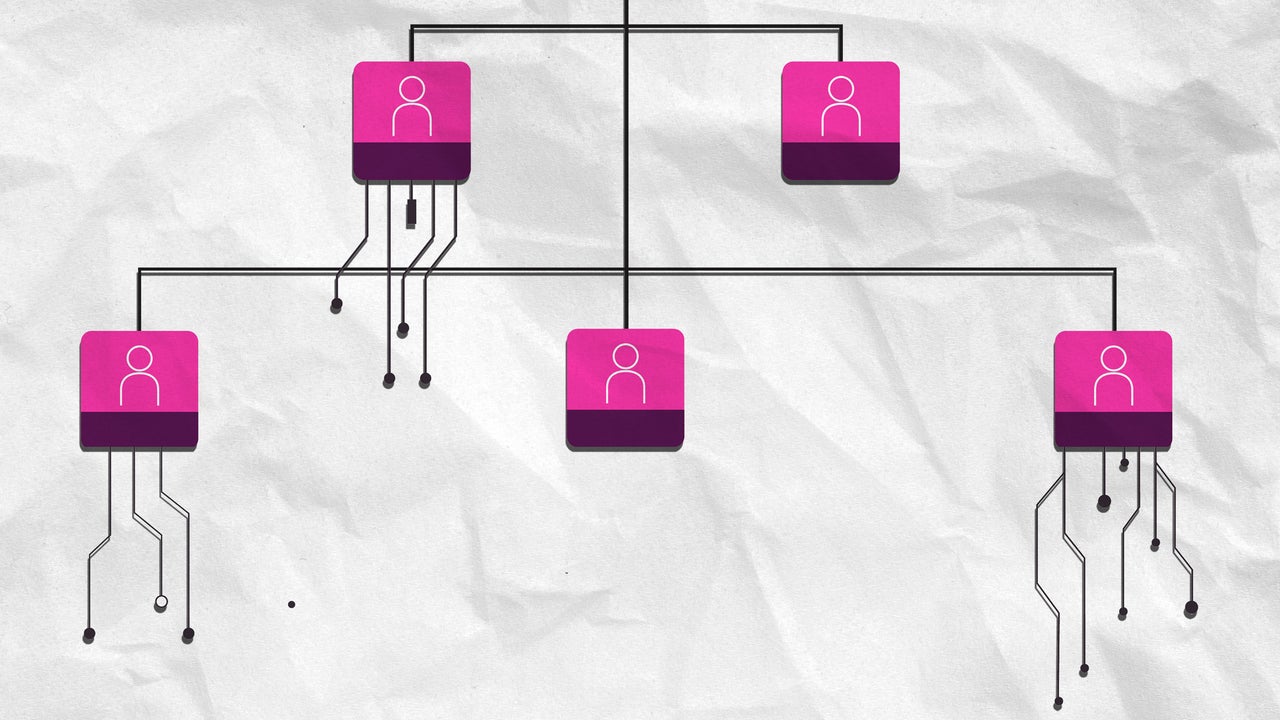
The transformation of HR from a traditional support function into a strategic change agent is essential to navigate AI-driven workforce shifts. Leaders like Ronni Zehavi highlight that HR’s evolving role involves proactively anticipating changes in roles, skills, and organizational structures, including managing the reduced need for middle management and co-designing human-AI work integration. This shift demands fundamental organizational redesign—from triangle to diamond-shaped models—and new operating models for HR that emphasize skills acquisition, continuous learning, and workforce planning, as detailed in analyses by HiBob and Cornerstone.
By 2029, Gartner predicts that 30% of organizations will form blended HR-IT teams to accelerate AI enablement, reflecting a strategic move toward shared leadership between CHROs and CIOs. This collaboration focuses on joint ownership of AI ethics, skills-based talent management, human-agent work redesign, and human-AI performance management, ensuring that AI adoption is not treated merely as a technology deployment but as a holistic workforce transformation. Mark Whittle warns that without this shared ownership, organizations risk siloed decisions lacking ethical accountability and regulatory oversight, underscoring the urgency of embedding HR and IT expertise within business teams through fusion squads and clear accountability structures.
Successful AI adoption hinges less on the latest models and more on rigorous execution and change management that honestly addresses workforce impacts. As one analysis notes, 'taking the decision is one hour, putting it in place is like two years,' emphasizing the long journey of organizational change. Leaders must communicate transparently about AI’s effects on job security, career growth, and pay to gain genuine employee buy-in, while redesigning workflows around AI capabilities rather than simply bolting technology onto existing processes. This candid approach to change management is critical to overcoming stalled AI initiatives and fostering a culture ready for continuous adaptation.