Creators move into brand-building roles
The gist
In 2026, creators ditched one-off influencer gigs to become equity-holding brand partners, co-owning everything from product strategy to campaign creative.
What to know
- Brands like Unilever and Microsoft embedded creators as creative directors and business collaborators, moving far beyond transactional influencer deals.
- Creators such as Jake Shane at Katjes secured executive roles and equity stakes, shaping long-term brand vision and development.
- Integrated platforms and AI-driven tools like Modash enabled brands to scale authentic, ROI-boosting creator partnerships—delivering up to 30x returns over traditional campaigns.
Creators as Co-Owners
Creators now demand and receive executive roles, creative freedom, and equity, transforming brand partnerships into authentic, long-term collaborations that drive measurable results.
By early 2026, the creator-brand relationship underwent a fundamental transformation from transactional sponsorships to strategic, long-term partnerships centered on co-creation and shared ownership. Brands like Unilever and Microsoft began investing heavily in sustained collaborations that treat creators not just as amplifiers but as creative editorial directors and strategic partners, integrating them deeply into brand storytelling and product development. This evolution reflects a broader industry consensus, highlighted at Cannes Lions 2026, where senior marketers emphasized the importance of authenticity, creative freedom, and building intellectual property together rather than relying on one-off influencer deals.
Creators themselves have driven this shift by demanding partnerships that are personally relevant, creatively collaborative, and built for the long term, moving beyond the confines of scripted endorsements. As TikTok Canada's Zach Grossman noted, the most successful collaborations allow creators to be themselves, integrating brand messages organically into their content rather than producing traditional ads. This approach has yielded tangible results, such as Samsonite’s campaign achieving a click-through rate five times higher than its own brand efforts, underscoring the power of authentic creator-driven content.
Brands are increasingly structuring these strategic partnerships through innovative models like affiliate programs, brand ambassador roles, and always-on creator collaborations that foster ongoing engagement and shared value. This shift is supported by data favoring micro-influencers, who deliver higher engagement rates (3.86% versus 1.21% for mega-influencers) and superior ROI ($7.14 per dollar spent), prompting brands to move away from vanity metrics toward quality and depth of audience interaction. Hybrid compensation models combining guaranteed fees with performance bonuses further align creator incentives with brand success, reinforcing the move from transactional campaigns to enduring partnerships.
The rise of the 'creatorpreneur' epitomizes the apex of this evolution, with creators transitioning from content producers to strategic business partners who gain equity, advisory roles, and even executive positions within brands. As noted at Cannes Lions 2026, creators like Jake Shane at Katjes and initiatives such as Lexus’s multi-part YouTube series with Colin and Samir exemplify how brands are embedding creators into their core strategy, recognizing their cultural influence and audience insights as vital to brand growth. This long-game approach signals a wealth transfer from corporations to creators, who are now co-owners and architects of brand identity rather than mere endorsers.



From Amplifiers to Architects
Creators have become strategic business leaders and cultural anchors, shaping brand vision and owning audience relationships as brands embed them at the core of business strategy.
By mid-2026, creators had decisively moved beyond transactional roles into strategic collaborators deeply embedded within brand ecosystems. Leading brands like Ramp and Microsoft exemplify this evolution by fostering long-term, 360-degree partnerships that integrate creators not just as content producers but as cultural anchors, credibility builders, and co-creators of brand strategy. As Joey Maestas of Microsoft emphasized, creators are no longer peripheral participants but main events and empowered partners who contribute meaningfully across multiple business lines, reflecting a shift from one-off sponsorships to sustained, mutually beneficial collaborations.
The creator economy’s maturation is marked by creators ascending to entrepreneurial and leadership roles, with many securing equity stakes, board seats, and executive positions within brands. At Cannes Lions 2026, over 500 creators attended not merely as influencers but as strategic business leaders shaping brand strategy and industry conversations alongside C-suite executives. This 'creator-in-residence' model, championed by Forbes and brands like Katjes, underscores how creators like Jake Shane and Alix Earle demand creative control and authentic integration, fundamentally redefining the creator-brand relationship from amplification to business co-ownership.
Creators have evolved into authoritative media channels and subject matter experts who own their audiences and distribution, effectively rivaling traditional media in scale and influence. This vertical integration enables creators to act as strategic advisors involved in messaging, product positioning, and creative direction, as noted by Shira Lazar and Lia Haberman. Brands increasingly recognize this shift, with senior marketing leaders elevating creator partnerships to core business functions that drive long-term growth, moving beyond vanity metrics to prioritize niche, engaged communities aligned with brand ideals.
The widespread industry pivot from influencer-driven campaigns to creator-led strategic partnerships signals a fundamental recalibration in brand marketing. Executives like Rocket Companies’ CMO Jonathan Mildenhall openly reject influencer models lacking authentic authority, favoring creators who bring genuine expertise and trust. Research from Influencer Marketing Hub corroborates this trend, showing long-term creator collaborations generate 70% higher engagement than one-off influencer activations. This momentum, spotlighted at Cannes Lions 2026 and beyond, confirms creators have fully arrived as indispensable strategic collaborators and business leaders in the marketing ecosystem.
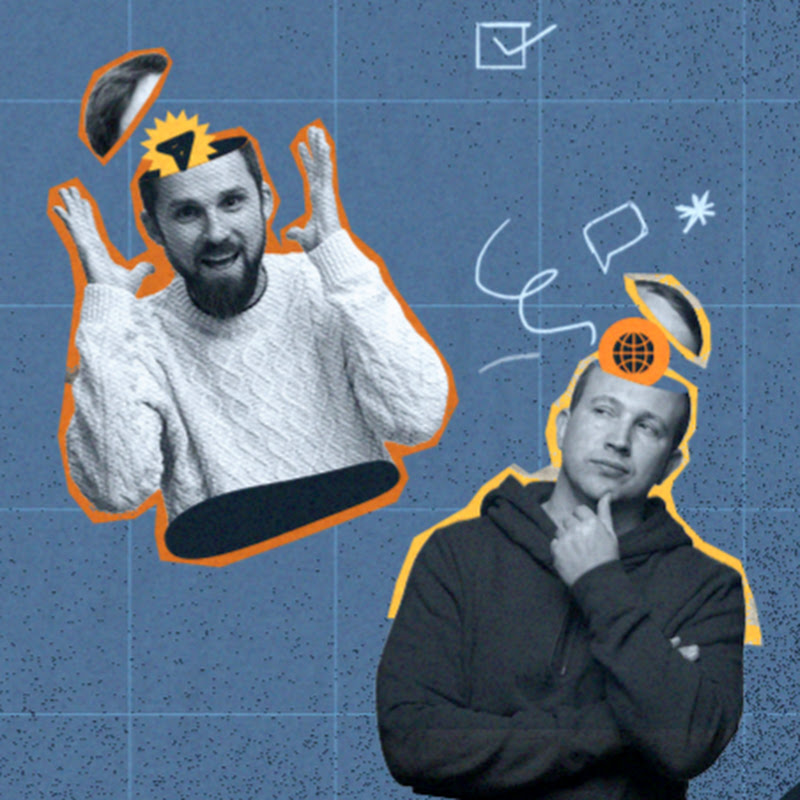
Scalable Creator Programs Rise
Brands are operationalizing always-on, multi-tiered creator programs powered by data-driven platforms, moving from rented reach to building owned content and lasting brand equity.
By mid-2026, brands have decisively shifted from transactional influencer moments to building structured, scalable creator programs that emphasize long-term participation and credibility. This evolution is reflected in the adoption of diverse engagement models such as affiliate programs, brand ambassador initiatives, and always-on partnerships, each designed with distinct incentives to embed creators deeply across marketing functions and drive consistent sales. As Leandro Barreto, CMO of Unilever’s Beauty & Wellbeing Business Group, emphasized, brands are now committed to 'building our brands in partnership, in collaboration with these amazing communities,' signaling a strategic embedding of creators beyond one-off sponsorships.
To manage the increasing operational complexity of creator partnerships at scale, brands are investing heavily in integrated, data-driven platforms like Modash that unify creator discovery, sponsorship management, affiliate tracking, and ROI measurement into seamless workflows. This programmatic approach enables brands to move beyond renting audience reach toward building owned content and equity, as Bose’s CMO Jim Mollica noted, highlighting the shift to 'content and creator partnerships that belong to Bose outright rather than borrowed reach that resets with every campaign.' Such platforms also support sophisticated attribution systems tracking clicks, add-to-cart actions, and purchases across TikTok Shop, Instagram, and YouTube Shopping, allowing brands to embed creators deeply into commerce and marketing workflows.
Leading brands like Microsoft exemplify the new 360-degree approach to creator engagement by embedding creators across multiple business units and marketing functions through scalable, strategic partnerships. Their 'Cannes playbook' focuses on investing in relationships, creating invaluable experiences, and empowering creators to participate authentically in meaningful moments aligned with their narratives, moving away from transactional sponsorships toward sustained collaborations. This year-round engagement model, which includes co-creating episodic content and new intellectual property, reflects a broader industry trend where senior executives—from CEOs to VPs—are actively involved in operationalizing creator partnerships as core business assets rather than isolated marketing tactics.
As the back half of 2026 unfolds, brands are formalizing internal structures to support scalable, long-term creator programs by clearly delineating roles between creative strategists and creator management teams. This includes maintaining creators on retainer, leveraging higher production value creators to match premium product positioning, and establishing clear SOPs covering negotiation, pricing, shipping, content evaluation, and payment processes. The churn-and-burn model is giving way to continuous, embedded creator relationships, with brands increasingly treating creators as strategic assets—sometimes even offering equity or advisory roles—to integrate them deeply into business development and demand-generation strategies, as highlighted by the upcoming Skift Creator Summit’s focus on embedding creator spend into core marketing efforts.

Authenticity Meets Brand Discipline
The most effective creator partnerships balance creative freedom with strategic brand messaging, using flexible briefs and long-term collaborations to build genuine, impactful narratives.
By mid-2026, the evolving consensus among marketers and creators was that authenticity and brand discipline are not mutually exclusive but rather complementary forces that enable scalable, effective creator marketing. As one analysis from June 2026 emphasized, discipline provides the structural backbone that allows authentic creator voices to flourish at scale, ensuring content not only resonates but also aligns strategically with brand goals. This balance is crucial because engagement metrics alone no longer suffice; brands must measure success through brand attribution and linkage to confirm that creator content builds lasting brand equity rather than merely renting fleeting attention.
Flexible yet strategically tight briefs emerged as a key tool for maintaining this balance, combining a firm core brand message with creative freedom for creators to authentically express their voice. As articulated in June and July 2026 analyses, brands crafted briefs that were 'tighter on the strategic message, but looser on execution,' allowing creators to be the variable while brand assets remained the constant. Creators themselves underscored the importance of this approach, warning against overly prescriptive scripts that stifle creativity and lead to disengagement or ineffective campaigns, with one creator noting, 'If they want me to say exactly, ABC in the video, it’s going to perform really badly for both of us.'
Long-term partnerships between brands and creators further enhance authenticity and effectiveness by fostering genuine, relatable storytelling that resonates deeply with audiences. Creators highlighted that enduring collaborations, as opposed to transactional one-off deals, enable organic integration of products into content, making the endorsement feel authentic and powerful. This approach requires brands to relinquish some control, allowing the creator’s voice to adapt and morph naturally, as one case study from July 2026 noted, 'You have to relinquish part of your brand control so that it can adapt and morph into the voice of the creator in an authentic way.'
The ultimate payoff for brands that successfully blend authentic creator freedom with disciplined brand fundamentals can be substantial, with improvements in brand linkage scores driving returns on investment up to 30-fold. This was demonstrated through extensive testing of thousands of creator-led versus brand-led ads, revealing that while creator content may score lower on immediate brand recognition, it outperforms in both short- and long-term performance metrics. Industry voices like Megan Park and TikTok creator @bran_flakezz have called for brands to move beyond superficial demands for 'super organic' content toward genuinely empowering creators with authentic freedom, reinforcing that true authenticity arises from creative liberty rather than aggressive product pushing.


AI Powers, Creators Connect
AI accelerates discovery and production, but human creativity and authentic voices remain the irreplaceable drivers of trust and influence in the evolving creator economy.
By mid-2026, AI had become a transformative force in creator marketing, not by replacing human creativity but by reshaping how audiences discover and engage with content. Industry leaders at Cannes Lions highlighted AI's role in cultural compression, likening its impact to historic shifts like the printing press, while emphasizing that authentic human creativity and trust remain irreplaceable. As Sona Iliffe-Moon observed, 'You can’t buy aura,' underscoring that despite AI's rise, influence hinges on real-world connection and genuine creator voices.
Tech giants Anthropic and OpenAI's strategic moves to sign creator deals signal a broader recognition that trust in marketing is built through people rather than platforms alone. This shift is further evidenced by AI and data-driven tools enhancing creator discovery, amplification, and measurement, enabling brands to forge more strategic, long-term partnerships. As David Kramer noted, these AI companies are 'figuring out how they want to show up,' marking an inevitable rise in their influence within the creator economy.
While AI accelerates content creation processes such as editing and scripting, helping creators meet higher creative standards, it does not supplant the authentic voice that audiences crave. Lindsay Brillson of Pika emphasized AI's role in speeding production without replacing creators, and platforms now amplify great content irrespective of follower count, as Craig Heyne of Bloom Nutrition pointed out. This democratization, coupled with interest-based algorithms favoring subject matter expertise over sheer follower numbers, has propelled creators into vertically integrated media companies owning their audiences and seamlessly integrating brands.
Despite the technological scaling enabled by AI and advanced algorithms, preserving human authenticity remains paramount. Research from Influencer Marketing Hub shows long-term creator partnerships generate 70% higher engagement than transactional activations, reinforcing the value of strategic, authentic collaborations. Jonathan Mildenhall’s critique of 'shiny, happy people' lacking true authority encapsulates the industry's pivot toward creators with genuine connections and expertise, ensuring that trust and transparency remain the cornerstones of effective creator marketing.


Experiences Drive Deep Loyalty
Brands are shifting to immersive, in-person creator experiences and summits that foster genuine community, cultural relevance, and long-term earned media value.
By mid-2026, brands like Mastercard have redefined creator engagement by transforming creators from mere amplifiers into co-architects of immersive, commerce-driving ecosystems centered on authentic, money-can't-buy experiences. Mastercard’s evolution of its 'Priceless' campaign into a participatory platform, including partnerships with McLaren, exemplifies this shift toward long-term fan engagement through culturally resonant, socially driven experiences in sectors like gaming and travel.
Experiential marketing in 2026 prioritizes the physical, in-person moment as the genesis of authentic engagement, with social media serving as an amplifier rather than the primary goal. Experts like Kam McCullough and Michael Brown emphasize that designing experiences primarily for social feeds undermines the depth of connection, advocating instead for immersive, emotionally charged spaces that naturally generate organic word-of-mouth and enduring social longevity, as seen in Nike x Zalando’s Mind 001 launch.
The rise of creator summits and curated trips marks a strategic pivot from short-term influencer activations to long-term partnerships that emphasize education, cultural relevance, and authentic storytelling. Expedia Group’s multiday Ambassador Summit and Microsoft’s Campus Creator Tour illustrate how brands engage creators as ambassadors over extended periods, fostering deeper community ties and generating substantial earned media value—nearly $1 million in Expedia’s case—while resisting the pitfalls of generic, luxury-focused trips criticized for lacking authenticity.
In response to evolving creator and audience expectations, brands are shifting toward smaller, highly curated experiences that prioritize cultural clout and long-tail advocacy over sheer scale or immediate sales. As Emily Brown of Billion Dollar Boy notes, success now hinges on looser itineraries that empower creators to produce organic content and build genuine relationships, a strategy exemplified by J.Crew and Mango’s short, manageable trips designed to foster positive sentiment and sustained brand advocacy.