Disney’s cost-cutting blitz: layoffs hit ESPN and pixar as NFL deal reshapes creative core
The gist
Disney’s $3B NFL Media deal has triggered sweeping layoffs at ESPN and Pixar, as the company bets big on AI and leaner teams—raising questions about its creative future.
What to know
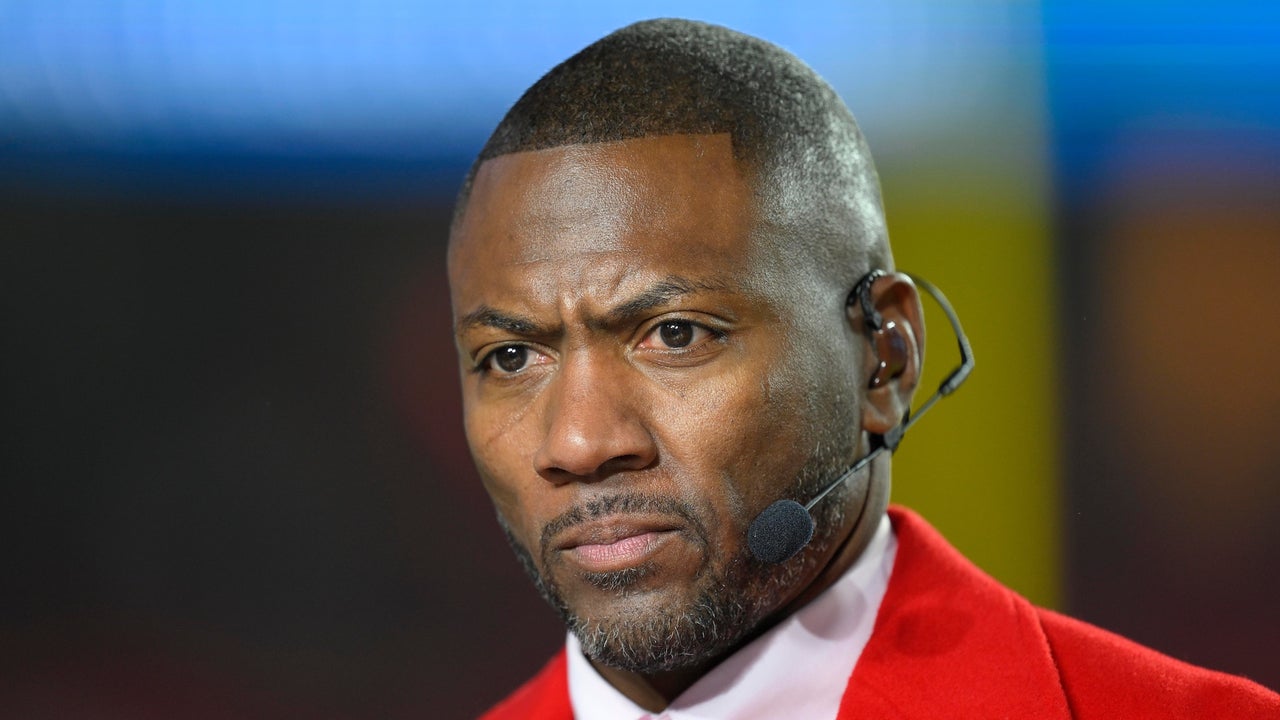
- The NFL acquisition forced ESPN to cut major on-air talent, including Ryan Clark and Karl Ravech, as the NFL took a 10% equity stake.
- Pixar axed 116 staff during active production of 'Toy Story 5' and 'Hoppers,' stoking fears of eroding creative capacity and institutional knowledge.
- Despite streaming profits, Disney’s relentless cost-cutting signals a shift toward margin-boosting automation—potentially at the expense of its storytelling magic.
Tech Over Talent at ESPN
Disney’s $3B NFL Media deal triggered sweeping ESPN layoffs and a pivot to AI-powered production, reshaping the network’s core to prioritize automation over legacy expertise.
The $3 billion acquisition of NFL Media by Disney in mid-2026 triggered significant operational redundancies at ESPN, leading to a major round of layoffs across production, editorial, and on-air roles. This consolidation forced Disney to rethink its workforce structure, with CEO Josh D’Amaro spearheading a strategic pivot towards a leaner, more technologically enabled operation to sustain profitability amid the dual pressures of declining cable subscriptions and the streaming revolution.
To address the surplus of overlapping roles resulting from the ESPN and NFL Network merger, Disney accelerated its adoption of automation technologies, including AI-driven content creation and centralized remote production workflows. This move not only streamlined operations but also reflected a broader industry trend towards leveraging technology to reduce costs and enhance efficiency in sports media production.
Layoffs Reveal Human Cost
ESPN and Pixar’s abrupt, high-profile staff cuts expose the stark reality behind Disney’s financial restructuring, with even on-air talent blindsided mid-broadcast as operational pressures override creative priorities.
Disney's third major layoff round of 2026 dramatically affected several hundred employees across key creative and media divisions including ESPN, Pixar, National Geographic, and ABC News, reflecting a broad and coordinated restructuring driven primarily by financial pressures rather than purely operational or creative strategy. High-profile on-air talent such as NFL analyst Ryan Clark and longtime baseball host Karl Ravech were among those cut, with Clark notably learning of his termination live on air during an "NFL Live" broadcast, underscoring the abrupt and human cost of the consolidation. These layoffs coincided with ESPN's $3 billion acquisition of the NFL Network, which forced the merger of redundant football operations and necessitated significant talent reductions to justify the deal internally, revealing a stark contrast between public merger narratives and the internal realities faced by employees.
Pixar, despite recent box office success with "Toy Story 5" and concurrent releases like "Hoppers," faced substantial cuts with approximately 116 employees laid off at its Emeryville studio. This move, described by insiders as 'operational sabotage dressed up as strategy,' signals Disney's shift toward a more agile, technologically enabled workforce focused on fewer, competitively priced releases. However, this restructuring risks eroding invaluable institutional knowledge and creative capacity at a critical juncture, as layoffs occurred mid-production year, raising concerns about the long-term impact on Pixar's ability to scale and maintain its renowned quality.


Margins Trump Storytelling
Disney’s relentless layoffs and automation push signal a shift from creative excellence to financial engineering, raising alarms about eroding institutional knowledge and long-term content quality.
Under CEO Josh D’Amaro, Disney is aggressively pursuing a margin-focused strategy that centers on creating a leaner, technologically enabled workforce. This approach leverages automation, AI-driven content, and centralized remote production to sustain profitability amid industry disruptions such as declining cable bundles and the rise of streaming. The integration of ESPN and NFL Network assets, finalized in April 2024, has intensified operational redundancies, prompting coordinated layoffs across major divisions including ESPN, Pixar, and National Geographic as part of a broader effort to streamline costs and increase efficiency.
The $3 billion NFL Network acquisition, which granted the NFL a 10% equity stake in ESPN, has fundamentally altered ESPN’s cost structure and forced difficult cuts in on-air talent to justify the deal financially. As Jimmy Pitaro acknowledged, the integration of redundant football operations was a key driver behind these layoffs, reflecting a strategic push to consolidate costs amid complex negotiations for future NFL rights. This restructuring underscores how the NFL deal is not only reshaping Disney’s sports media landscape but also driving a company-wide margin optimization imperative.
Despite Disney’s streaming business achieving profitability, the ongoing rounds of layoffs—three major waves within seven months—suggest a strategy focused more on margin expansion and debt servicing than on sustainable operational improvement. Analysts question whether these cuts, including those at Pixar during an active production year, risk eroding institutional knowledge and content quality, hinting at potential long-term operational sabotage disguised as efficiency. The lack of clear evidence for improved revenue per employee or headcount stabilization raises concerns that the restructuring may primarily serve financial engineering rather than genuine strategic transformation.
Pixar’s Creative Edge at Risk
Mass layoffs at Pixar and National Geographic threaten Disney’s creative pipeline, as cost-cutting erodes institutional memory and undermines the studio’s ability to deliver on its storied legacy.
Disney's aggressive cost-cutting in 2026, including laying off approximately 116 staff at Pixar's Emeryville studio and similar reductions at National Geographic, poses a significant threat to the company’s creative output and brand strength. These cuts, which represent nearly 10% of Pixar’s production staff during critical phases of films like 'Toy Story 5' and 'Hoppers,' risk eroding irreplaceable institutional knowledge and have been described as 'operational sabotage dressed up as strategy,' potentially sabotaging ongoing productions and future scalability.
This wave of layoffs reflects a strategic pivot toward fewer, more competitively priced releases supported by a technologically enabled workforce, as emphasized by Disney executives seeking greater agility. However, this shift challenges Pixar’s traditional creative processes and long-term content strategy, raising concerns that the restructuring prioritizes margin expansion—possibly to service debt from the NFL Network acquisition—over sustainable creative investment, especially given the lack of evidence for improved revenue per employee or headcount stabilization after multiple rounds of cuts.
The NFL Network acquisition, which granted the NFL a 10% equity stake in ESPN, introduces a conflict of interest that compromises ESPN’s editorial independence and forces cuts driven more by accounting considerations than creative or editorial priorities. This dynamic has led to the departure of prominent on-air talent like Carl Ravik and Ryan Clark, with Ravik’s exit after 33 years and lack of replacement symbolizing a loss of institutional memory and weakening of audience relationships, which could thin Disney’s content pipeline and diminish long-term brand loyalty.
ESPN’s Strategic Shield
Bob Iger’s refusal to sell ESPN is a calculated move to keep the sports giant out of rival hands, cementing live sports as Disney’s linchpin for future growth amid industry upheaval.
By mid-2026, Bob Iger’s decision to retain ESPN within Disney underscored the network’s strategic importance beyond immediate financial returns, primarily to prevent a major competitor like Netflix from acquiring it. Iger emphasized the long-term value of ESPN, cautioning against short-sighted moves that might 'completely discount future value and importance to the company.' This rationale is bolstered by ESPN’s entrenched position as 'the worldwide leader in sports,' a status affirmed by NBA commissioner Adam Silver who highlighted ESPN’s unique ability to maintain a dedicated fan base despite industry disruptions.
ESPN’s future outlook is closely tied to Disney’s broader strategy of evolving sports content delivery, exemplified by the launch of ESPN Unlimited and the acquisition of NFL Media, where the NFL holds a 10 percent equity stake. These moves signal Disney’s bet on the enduring appeal of live sports, leveraging direct-to-consumer platforms and strategic partnerships to navigate challenges like cord-cutting and tech entrants into sports rights. This integration not only reinforces ESPN’s competitive positioning but also aligns with Disney’s vision of sports as a cornerstone of its brand identity and growth trajectory.