DOJ faces bipartisan fury over withheld epstein evidence
The gist
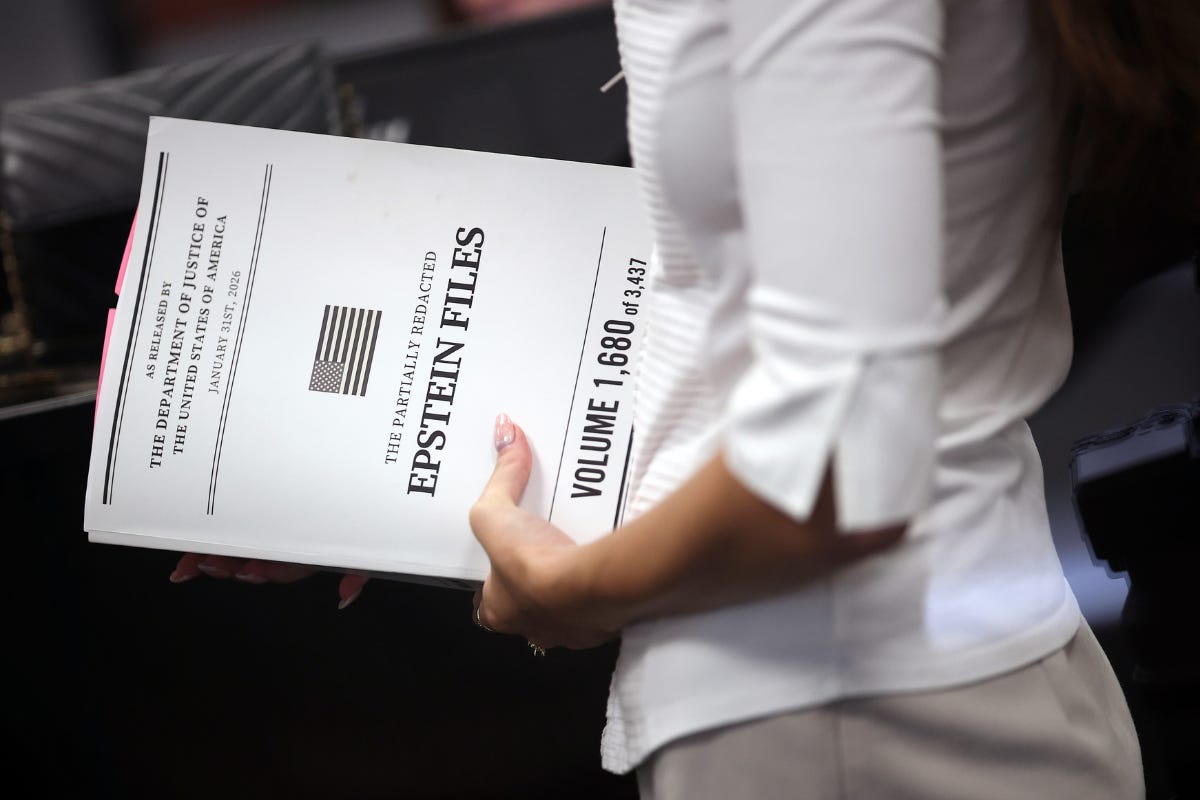
The DOJ is under bipartisan siege for allegedly hiding politically explosive Epstein evidence, with leaks and lawsuits exposing a pattern of withheld files, missed deadlines, and possible protection of high-profile figures—including Trump.
What to know
- Leaked FBI interview notes reveal uncontacted witnesses and unique details the DOJ claimed were 'duplicative,' raising suspicions of a political coverup.
- Congress, led by Rep. Thomas Massie, is pushing the Epstein Files Transparency Act II to force the DOJ to release unredacted records and expose the broader Epstein network.
- Katie Phang’s lawsuit spotlights DOJ’s missed legal deadlines and shifting excuses, seeking judicial review to crack open the department’s secrecy.
DOJ’s Secret Evidence Tactics
Leaked files and expert analysis reveal the DOJ’s duplicative records excuse masks politically sensitive evidence, as millions of withheld documents and selective leaks raise alarms about a strategic coverup.
The DOJ’s withholding of handwritten FBI interview notes from Epstein victims, justified as duplicative, faces serious scrutiny after leaked unredacted notes revealed unique details and named corroborating witnesses who were reportedly never contacted. Independent analysis by COURIER and ThorianAI found that at least 40% of the DOJ’s Epstein Files are duplicates, suggesting the duplicative records claim may be a pretext to conceal politically sensitive information, particularly implicating former President Trump. Attorney General Todd Blanche’s blocking of millions of investigative files contrasts sharply with the selective leak of sensitive victim information to conservative media, raising ethical and transparency concerns.
Veteran journalist Seymour Hersh has exposed that significant Epstein intelligence materials linking him to foreign agencies like Israel’s Mossad and domestic entities remain withheld by the DOJ, escaping both congressional and media scrutiny. This ongoing concealment fuels suspicions of deliberate coverups, especially given the potential political fallout for current and former Trump administration officials. The DOJ’s failure to release these records undermines its transparency claims and suggests a strategic effort to keep explosive intelligence out of public view.
The DOJ’s handling of the allegedly forged Epstein postcard to Larry Nassar exemplifies broader transparency controversies, as the department dismissed its authenticity without releasing handwriting analyses or detailed evidence. This opaque approach has fueled public distrust and skepticism, with critics questioning whether any investigation into the forgery has been launched. The episode highlights the challenges in verifying Epstein-related documents and raises alarms about potential manipulation of evidence to control the narrative and mitigate political damage.
Legal challenges spotlight the DOJ’s conflation of distinct reporting obligations under the Epstein Files Transparency Act, with the department treating the detailed redaction justifications required by Section 2 as equivalent to the summary reporting mandated by Section 3. This misinterpretation undermines the statute’s intent for granular transparency, as emphasized by statutory interpretation principles that reject redundant provisions. Katie Phang’s legal team has pressed the DOJ for compliance, criticizing its shifting justifications and attempts to delay disclosure through protective appeals, which are seen as stalling tactics that impede judicial enforcement and public access to critical information.


Congress Names Epstein Allies
Rep. Massie’s public naming of 14 alleged Epstein co-conspirators and bipartisan legislative push signal Congress’s growing resolve to force full DOJ disclosure and break through years of stonewalling.
Rep. Thomas Massie has emerged as a leading force in congressional efforts to expand transparency around the Epstein files, notably by publicly naming 14 alleged co-conspirators—including Jes Staley, Leon Black, and Andrew Mountbatten-Windsor—during a House floor speech protected by the Speech or Debate Clause. This bold move not only intensifies scrutiny of Epstein’s broader network but also underscores Massie’s push for legislative reform through H.R. 9694, the Epstein Files Transparency Act II, which enjoys bipartisan backing from figures like Democrats Ro Khanna, Teresa Leger Fernández, and Senators Jeff Merkley and Ben Ray Luján.
The proposed legislation aims to empower victims, state attorneys general, district attorneys, and members of Congress with legal tools to compel the Department of Justice to release unredacted and complete records, imposing strict seven-day deadlines for compliance and limiting DOJ’s ability to withhold information under broad privileges. This framework reflects growing frustration with the DOJ’s continued withholding or redaction of millions of pages despite releasing roughly 3.5 million pages and thousands of videos, a gap highlighted by supporters like New Mexico Attorney General Raul Torres, who stresses the necessity of full access to federal records to advance ongoing investigations.
Massie’s strategic use of a discharge petition—already gathering 79 signatures—to force a House vote on the Transparency Act II exemplifies a determined effort to bypass congressional leadership and accelerate legislative action. This move, supported by a bipartisan coalition including Khanna, Fernández, Merkley, and Luján, signals a broader congressional consensus to grant survivors, prosecutors, and lawmakers greater access and legal recourse against DOJ obstruction, while parallel initiatives by Sen. Ron Wyden target financial institutions linked to Epstein’s money laundering network, expanding the scope of accountability beyond mere record disclosure.
Beyond legislative maneuvers, congressional leaders such as Jamie Raskin, Robert Garcia, and Pramila Jayapal leverage their committee positions to demand unredacted DOJ files and probe lingering undisclosed information within the Epstein files, reflecting a sustained institutional push to uncover potential coverups and political interference. Their oversight efforts complement Massie’s legislative agenda, collectively aiming to dismantle barriers to transparency and ensure that the full extent of Epstein’s network and related misconduct is brought to light.

Lawsuit Forces DOJ’s Hand
Katie Phang’s court challenge exposes the DOJ’s missed deadlines, shifting excuses, and inadequate transparency, threatening a default judgment that could force unprecedented disclosure of Epstein records.
Katie Phang’s lawsuit against the DOJ and Todd Blanche spotlights systemic failures in the department’s compliance with the Epstein Transparency Act, as well as broader issues of accountability. Despite the clear legal deadline of June 29, the DOJ admitted to missing the response deadline, subsequently filing a motion to retroactively excuse the delay—a move Phang describes as an 'outrageous' attempt to stall justice. This procedural lapse risks a default judgment against the DOJ, which would effectively admit to all allegations, underscoring the gravity of the department’s disregard for its legal obligations.
Phang’s legal team is aggressively challenging the DOJ’s inconsistent and shifting justifications for withholding critical FBI interview notes related to Epstein, initially claiming the notes were duplicative and later citing concerns about victim privacy. To cut through these evasions, Phang has requested an in-camera review by Judge Emmet Sullivan, demanding the unredacted notes be submitted for independent judicial scrutiny within five days. This legal maneuver aims to pierce the veil of secrecy and hold the DOJ accountable for its opaque handling of sensitive evidence.
The lawsuit also targets the DOJ’s inadequate compliance with the Epstein Files Transparency Act’s redaction log requirements, arguing that the department’s six-page letter falls short of the statute’s mandate for detailed, itemized justifications for each redaction. Phang’s attorneys emphasize that a general summary cannot substitute for the transparency the law demands, highlighting a broader pattern of obfuscation. Furthermore, the legal team resists the DOJ’s attempt to delay full disclosure through a so-called 'protective' appeal, asserting that administrative inconvenience does not justify postponing compliance with court orders or statutory transparency obligations.
Beyond procedural disputes, the ongoing litigation exposes deeper allegations of coverups and political interference within the DOJ, with figures like Mary Trump underscoring the department’s role in shielding powerful interests. This legal battle thus transcends mere document disclosure, raising urgent questions about justice, transparency, and the integrity of government institutions tasked with upholding the law in the Epstein case.

Systemic Failures in Epstein Deal
Repeated DOJ inaction on Epstein’s broken immunity deal, ignored victim rights, and internal criticism reveal a pattern of institutional neglect that enabled his continued evasion of justice.
Despite multiple documented breaches of Jeffrey Epstein’s 2007 non-prosecution agreement—including missed plea deadlines, obstruction of victim notifications, and false threats to law enforcement—the DOJ failed to revoke his immunity or enforce compliance. Then-acting U.S. Attorney Jeffrey Sloman’s 2009 letter detailed at least five violations, yet prosecutors only issued warnings and allowed Epstein to retain the central benefit of freedom from federal prosecution, highlighting systemic enforcement failures and a disregard for victim protections.
Epstein’s legal team actively undermined the NPA’s terms by submitting a contradictory state plea agreement at the last minute and obstructing victim representation, further complicating DOJ efforts to uphold the deal’s conditions. This, coupled with the DOJ’s failure to notify victims of critical developments as required by the Crime Victims’ Rights Act, fueled ongoing legal disputes and underscored a broader institutional neglect of victims’ rights within federal law enforcement.
Internal DOJ criticism, including acknowledgment that former U.S. Attorney Alex Acosta exercised poor judgment in negotiating the secretive and CVRA-violating agreement, did not lead to its revocation, reflecting a troubling lack of accountability in handling high-profile cases. This failure to act decisively not only allowed Epstein to avoid federal prosecution despite repeated breaches but also eroded public trust in the Justice Department’s commitment to justice and victim restitution.
The DOJ and FBI’s inadequate response to credible warnings about Epstein’s conduct parallels institutional failures seen in the Larry Nassar case, where delayed action enabled prolonged abuse. Survivors’ lawsuits emphasize this pattern of negligence, highlighting that federal agents’ failure to intervene despite clear evidence contributed to ongoing victimization, a lapse that cost the DOJ $138.7 million in settlements related to Nassar and sets a precedent underscoring the urgent need for law enforcement accountability in cases like Epstein’s.