E-bike rules in flux: states race to rein in chaos
The gist
States and cities are scrambling to rewrite e-bike and scooter rules as injuries spike, devices evolve, and legal confusion reigns.
What to know
- Massachusetts is ditching pedal-based definitions for a pioneering, performance-based e-bike law—set to roll out by mid-2026.
- Hospital trauma data is fueling swift crackdowns, with Long Beach and San Diego tightening sidewalk, age, and helmet rules after hundreds of serious injuries.
- New York City is hitting illegal e-bikes with a 17-bill legislative blitz and retail crackdowns, while insurance and liability remain a Wild West across the U.S. and Canada.
Rethinking E-Bike Classifications
States are shifting from outdated pedal-based rules to performance-driven standards, aiming to close loopholes and better regulate the exploding variety of electric micromobility devices.
Current legal definitions of e-bikes remain heavily anchored in physical characteristics, such as the presence of pedals, which creates regulatory blind spots for pedal-free electric vehicles like the JackRabbit MG Cargo. This reliance on form rather than function has sparked a growing consensus that classifications should pivot towards performance-based criteria, emphasizing what these devices can do rather than how they look. Such a shift would better capture the diversity of micromobility devices and close existing loopholes in regulation.
By mid-2026, Massachusetts emerged as a pioneer in addressing these classification challenges, proposing a new legal framework that redefines e-bike and scooter categories with an eye toward performance and usage clarity. Rather than resorting to bans, lawmakers aim to balance public safety concerns with the surging popularity of electric mobility devices, clarifying where different types of e-bikes and scooters can operate legally. This initiative reflects a broader trend toward nuanced, adaptable regulation that accommodates innovation in micromobility.

Trauma Data Drives Policy
Hospital injury reports, not police logs, are now dictating stricter age, helmet, and sidewalk rules as youth e-bike injuries and fatalities surge.
By early 2026, hospital trauma data has become a pivotal force in shaping local e-bike regulations, marking a shift from reliance on police reports to health system evidence. For instance, Long Beach City Council enacted a ban on Class 3 e-bikes on sidewalks after Long Beach Memorial reported 168 serious injuries between 2023 and 2025. Similarly, a 2025 Bellevue study revealed that e-bikes and scooters accounted for nearly 7% of trauma admissions in NYC, with a troubling one-third of patients suffering traumatic brain injuries and about 30% requiring intensive care, underscoring the urgent need for unified safety standards.
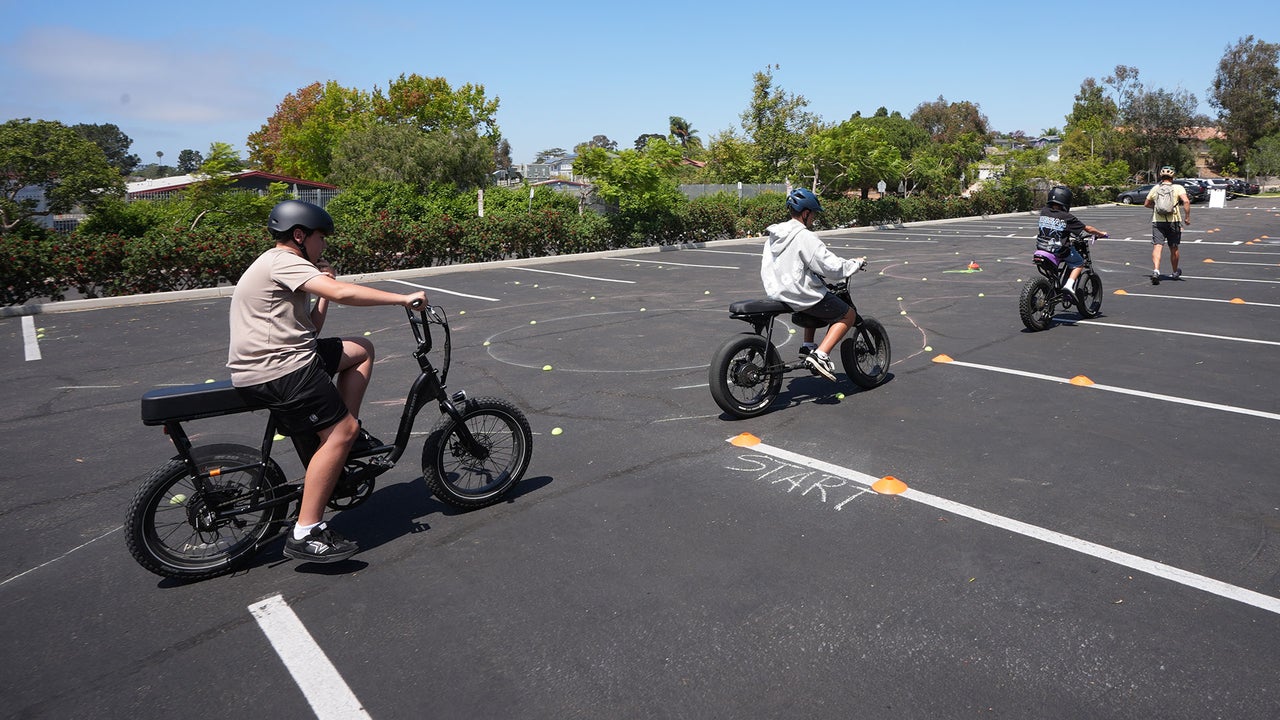
Rising injury rates among children and teenagers have galvanized calls for stricter age restrictions and helmet mandates, as evidenced by San Diego’s 2024 regulations setting a minimum riding age of 12 and helmet requirements for riders under 18 after Rady Children’s Hospital recorded 262 e-bike trauma visits. Dr. John Austin highlighted that e-bike injuries tend to be more severe than traditional bicycle accidents, disproportionately affecting younger, unhelmeted riders, which has spurred local crackdowns and intensified policy debates.
The surge in youth e-bike injuries and fatalities has led some jurisdictions to pursue legal accountability for parents, alongside implementing licensing and registration mandates. Orange County’s District Attorney Todd Spitzer is investigating over two dozen cases involving parents of injured children, while New Jersey requires riders to be at least 15 years old with licenses and registrations. However, advocates like Monica Stafford argue that this fragmented approach misses the mark, calling the current regulatory landscape a 'Wild West' and urging for a cohesive national framework to better safeguard young riders.
National clinical leaders, including the American College of Surgeons, are leveraging aggregated injury data to push for comprehensive e-bike safety policies that encompass speed-based classifications, mandatory helmet use, age limits, rider training, registration, and dedicated infrastructure such as separated bike lanes. Citing over 20,000 annual e-bike injuries, these calls reflect a growing consensus that piecemeal local regulations are insufficient to address the complex safety challenges posed by the rapid rise of e-micromobility.

NYC’s E-Bike Enforcement Blitz
New York City is deploying sweeping legislation and retailer crackdowns, targeting both high-speed e-bikes and companies like Amazon in a bid to stem fatal crashes and illegal sales.
In August 2026, New York City launched an ambitious legislative crackdown on e-micromobility, unveiling a 17-bill package aimed at tightening regulations around e-bikes and scooters. This multifaceted approach includes requiring commercial licenses for delivery companies, increasing penalties for illegal vehicle use, and potentially banning high-speed Class 3 e-bikes, while also establishing a task force to explore street design improvements and mandating enhanced rider data sharing and insurance requirements. However, the package stops short of universal license plates and registration, reflecting ongoing debates about the balance between regulation and rider freedom.
Complementing legislative efforts, NYC Mayor Zohran Kwame Mamdani took decisive enforcement action by issuing cease-and-desist orders to 42 major online retailers, including Amazon, Walmart, and Target, demanding they halt sales of illegal high-speed e-bikes and scooters. This crackdown responds to a troubling rise in fatal crashes—over 45 deaths linked to illegal e-bikes and 14 to scooters since 2017—and imposes civil penalties up to $2,000 per illegal sale, underscoring the city’s commitment to public safety amid historic lows in pedestrian fatalities.
Further reinforcing enforcement and transparency, New York City Council has proposed additional legislation requiring companies like Lyft to report detailed monthly data on Citi Bike safety incidents, including crashes and thefts. Spearheaded by Transportation Chair Shaun Abreu and supported by City Council Speaker Julie Menin, this legislative push also includes trade-in programs, fines for non-compliant retailers, and empowering NYPD with speed and power detection tools, reflecting a comprehensive strategy to curb illegal and unsafe e-micromobility use ahead of a major hearing scheduled for September 30.
Across the Atlantic, UK authorities are intensifying enforcement against illegal e-bikes and speed-enhancing conversion kits amid rising safety and crime concerns. Police seizures have more than doubled in regions like Devon & Cornwall and Dorset, with the Metropolitan Police linking these devices to increased collisions, insurance claims, and organized crimes such as phone theft. Labour MP Julie Minns is advocating for classifying these non-compliant e-bikes and kits as 'unsafe products' to restrict their online sale, while the Department for Business and Trade is poised to tighten regulations on e-bike batteries and conversion kits, signaling a coordinated institutional crackdown.
Liability Gaps and Parental Risk
Fragmented insurance laws and minimal federal oversight are leaving riders, parents, and victims exposed—prompting some prosecutors to charge parents after youth e-bike crashes.
The regulatory landscape for insurance and liability in e-micromobility remains fragmented and inconsistent, exposing riders and victims to significant financial risks. For example, California does not require mopeds or motorized scooters to carry liability insurance, leaving crash victims potentially uncompensated, whereas Arizona mandates coverage with minimums of $25,000 per person and $50,000 per accident. This patchwork creates confusion for riders traveling across states like LA, Phoenix, and Las Vegas, where license, registration, and insurance requirements vary widely, often without riders’ awareness. Moreover, many riders mistakenly assume personal auto policies or rental agreements cover them, yet uninsured motorist coverage applicability to scooter or moped collisions is not guaranteed and requires explicit confirmation from insurers.
A rising concern is the surge in severe e-bike injuries among youth, prompting some jurisdictions to hold parents criminally liable for their children’s actions. Orange County District Attorney Todd Spitzer’s office, for instance, has initiated over two dozen investigations and charged parents in cases including a fatal collision involving a 14-year-old e-motorcycle rider. This trend underscores glaring gaps in existing insurance and liability frameworks, especially as most e-bikes are federally classified as nonmotorized vehicles exempt from licensing, insurance, or helmet mandates. The resulting legal ambiguity has led to calls for a unified national regulatory approach, with advocates like San Francisco-area mother Monica Stafford describing the current environment as a “total Wild West of laws.”
The combination of minimal federal regulation and increasing youth injuries—often involving unhelmeted riders—has spurred officials to rethink legal responsibilities beyond just the riders. Medical experts like Dr. John Austin highlight that e-bike injury patients tend to be younger and suffer more severe trauma, while cities such as New York have taken action against retailers selling non-street-legal e-bikes following tragic incidents like the death of a 17-year-old. This shift towards holding not only riders but also parents and retailers accountable reflects a broader reevaluation of liability in the evolving micromobility ecosystem.
Canada’s Patchwork E-Bike Laws
Inconsistent provincial and local rules, combined with rising youth injuries, are fueling confusion and undermining safety as e-bikes and scooters proliferate across Canada.
Canada’s regulatory landscape for e-bikes and e-scooters is a fragmented mosaic, with provinces and municipalities like Toronto and its surrounding areas enforcing vastly different rules that confuse the public and hinder safe usage. Pamela Fuselli highlights this patchwork nature, noting that some regions run pilot programs while others leave device permissions to local authorities, creating a confusing legal environment that complicates compliance and enforcement.
This regulatory inconsistency, coupled with the novelty of e-micromobility devices and riders’ varying experience levels, has contributed to a troubling rise in injuries and fatalities. Between April 2025 and March 2026, BC Children’s Hospital recorded 81 e-scooter-related visits among youth aged 13 to 17—more than double the previous year—while CIHI reported a 22% increase in hospitalizations nationwide. Health professionals and law enforcement warn that the rapid adoption of these devices is outpacing the development and enforcement of safety regulations, creating a dangerous gap on Canadian roads.
Public perception further complicates safety efforts, as many parents view e-scooters and e-bikes as toys suitable for children under 16, despite developmental limitations and legal restrictions that caution otherwise. Fuselli stresses that children under 16 lack the necessary skills to operate these motor vehicles safely, a stance echoed by police departments who argue that those too young to hold a driver’s license should not be riding e-scooters, underscoring a disconnect between perception and regulatory intent.
Adding fuel to the fire, the lack of uniform safety education and enforcement leads to risky behaviors such as low helmet usage—surveys show up to 80% of riders forgo helmets—and speeding, with private e-scooters often exceeding 40 to 50 km/h by bypassing speed limiters. This scenario mirrors past technological rollouts like cellphones, where legislation lags behind adoption, leaving communities scrambling to craft sensible rules while grappling with the real-world consequences of inconsistent laws and patchy enforcement.
Public Perception vs. Safety Reality
Widespread belief that e-bikes and scooters are harmless toys for kids clashes with mounting evidence—and police warnings—that under-16 riders face serious risks on the road.
Widespread belief that e-bikes and scooters are harmless toys for kids clashes with mounting evidence—and police warnings—that under-16 riders face serious risks on the road.