Enterprises tighten AI controls amid data exposure fears
The gist
Enterprises are slamming the brakes on unchecked AI, putting ironclad data controls and ROI metrics above model hype as fresh data leaks spark a wave of governance crackdowns.
What to know
- By early 2026, 66% of enterprises made data governance—not model performance—their top AI adoption hurdle, demanding clear ROI and real-time dashboards.
- Despite 93% trust in Microsoft 365 governance, 29% of firms suffered AI-fueled data exposures, prompting 80% to seek external AI governance assessments.
- AI tools now face strict access limits—treated like 'brilliant new hires' with minimal data rights—while vendor contracts get overhauled to block auto-renewal traps and enforce tight data-use clauses.
ROI Demands Reshape AI Startups
Enterprise buyers now demand measurable ROI and airtight data governance, forcing AI startups to prove security credentials before winning large-scale deployments.
By early 2026, enterprises identified data readiness and governance as the foremost barriers to AI deployment, overshadowing concerns about model performance. A striking 66% of organizations demanded clear ROI tied to business outcomes, with 65% insisting on benchmarking pre- and post-deployment, and half seeking real-time ROI dashboards, underscoring the critical need for measurable value alongside robust data controls. This emphasis on governance and demonstrable returns also shaped AI startups’ trajectories, as founders who mastered data security and governance earned vital trust marks from enterprise security teams, enabling them to move beyond pilot phases.
Despite widespread confidence—93% trust in Microsoft 365 governance frameworks—a ShareGate survey revealed a glaring governance gap, with 29% of firms experiencing AI-driven data exposure involving sensitive customer and internal records. This disconnect has intensified operational pressures, as over 70% of IT teams report increased governance burdens and concerns over outdated content permissions following AI tool rollouts. Alarmingly, only about half of organizations conduct thorough governance reviews post-deployment, prompting 80% to consider external partners for AI governance assessments to mitigate escalating data control risks.
Privacy and sovereignty challenges loom large as formidable barriers to AI adoption, with NTT Data highlighting how regulatory complexities across jurisdictions complicate data governance and stall implementation. The company advocates for balanced policies that safeguard privacy without stifling innovation, reflecting a broader industry imperative to reconcile compliance with technological advancement. This tension is especially acute for enterprises operating across multiple sites, where on-premise solutions—traditionally easier for data protection—prove impractical, leaving organizations grappling with evolving technological solutions to secure AI-derived data and learnings.
Effective AI partnerships hinge on meticulously crafted contractual agreements that clearly delineate core competencies and capabilities among collaborators. As one expert notes, understanding whether data readiness can be achieved internally or requires partner assistance is pivotal; enterprises must strategically decide if they can prepare data for AI learning alone or need external support. This nuanced approach to partnership management reflects the complex landscape of AI adoption, where tight contracts and clear role definitions are essential to safeguard data and optimize AI outcomes.



Sensitive Data Still Slips Through
Even trusted platforms like Microsoft 365 have seen confidential data leaks via AI tools, exposing the risks of insufficient post-deployment governance and outdated access controls.
By early 2026, incidents such as the Microsoft Copilot Chat quietly summarizing confidential emails despite existing DLP controls exposed critical vulnerabilities in AI integrations, underscoring the urgent need for data-centric security measures. Sending raw sensitive customer data to opaque AI models not only risks intellectual property exposure but also breaches compliance regulations, especially in regulated sectors like finance and legal, making unfiltered AI use within enterprises one of the most pressing technical risks identified.
To mitigate these risks, leading organizations emphasize strict data-centric access controls and least-privilege principles, ensuring AI tools only access data necessary for their specific tasks—no more than a human user would see. As one expert put it, AI should be treated like a 'brilliant new hire' with scoped access, and contractual safeguards must prevent AI vendors from training models on confidential customer data, thereby preserving trust and preventing data leakage.
Robust AI governance frameworks aligned with standards like ISO/IEC 42001 mandate that AI actions be logged alongside human activities to ensure accountability and traceability. This approach counters the alarming findings from IBM’s 2025 breach research, which revealed that 97% of organizations experiencing AI-related incidents lacked proper AI access controls, highlighting the dangers of rushing AI adoption without comprehensive security policies.
Given AI models’ inherent vulnerabilities to jailbreaking, social engineering, and hallucinations—where, for example, AI can fabricate login credentials—technical safeguards must extend beyond access controls to include prompt engineering and parameter tuning. Adjusting model parameters like temperature balances creativity against hallucination risks, while detailed, nuanced prompts improve output accuracy. However, once data enters an AI model’s neural network, it cannot be deleted, posing profound intellectual property and data containment challenges that demand layered cybersecurity strategies.



Vendor Contracts Get a Makeover
Enterprises are rewriting AI vendor contracts to close loopholes, prevent auto-renewal traps, and strictly define how data can—and cannot—be used.
By mid-2026, enterprise leaders like David Cost of Rainbow Apparel emphasized the critical need to restructure AI vendor contracts to preserve exit leverage and avoid auto-renewal traps, leveraging AI-enabled build alternatives as credible negotiation tools. This strategic approach includes vigilant identification of red flags in service-level agreements and proactive negotiation of exits from underperforming contracts, underscoring a shift toward more dynamic and risk-aware vendor management in AI ecosystems.
AI contracting has evolved beyond generic templates to demand highly tailored agreements that reflect specific use cases and system architectures. As detailed in Passle’s July 2026 analysis, effective contracts must dissect the entire AI stack—from prompt engineering to telemetry data rights—and integrate governance controls such as user training and permitted-use rules. This nuanced approach ensures supplier accountability while enabling customer oversight, particularly when AI systems connect to external tools, requiring clear delineation of access permissions and responsibilities across interconnected platforms.
The rise of AI has transformed routine vendor data clauses into significant corporate liability risks, as highlighted by the July 2026 scrutiny following HubSpot’s controversial attempt to expand CRM data use for AI lead generation. Enterprises must now precisely define data-use rights to prevent vendors from broadly interpreting terms like “service improvement” or “analytics” to justify AI training on customer data. Contracts should distinctly separate customer content from metadata, limit licenses to necessary service delivery, and tightly control provisions around aggregated or anonymized data to avoid unintended secondary uses.
Cost control and transparency have become paramount in AI vendor management, with enterprises urged to secure contractual safeguards such as price locks, token consumption limits, and clear renewal terms to prevent budget overruns. Case studies from July 2026 reveal that neglecting governance and cost controls before adopting cloud-native AI solutions leads to overprovisioning, shadow workloads, and operational strain. Additionally, many organizations unknowingly grant broad data access to AI vendor ecosystems, often lacking audit trails and confidentiality guarantees, which obscures accountability and amplifies risk—making structured contract audits focusing on data use, sublicensing, and subprocessor clauses essential for compliance and risk mitigation.
In complex AI ecosystems, enterprises must implement exceptionally tight contracts to safeguard data and derived insights, especially when on-premise solutions are impractical for cross-site operations. Strategic vendor management hinges on understanding each AI partner’s core competencies and negotiating collaboration terms that address data readiness and preparation for AI learning. This holistic contractual approach ensures that partnerships not only protect enterprise assets but also enhance operational effectiveness by aligning capabilities and responsibilities across the AI value chain.


Ethics and Law Collide in AI
High-profile incidents and new regulations are forcing companies to overhaul AI audit trails, privacy controls, and cross-border data policies to avoid legal and ethical pitfalls.
By mid-2026, enterprises faced mounting ethical and legal challenges in AI governance, as highlighted by incidents like Microsoft Copilot's unauthorized summarization of confidential emails, which exposed critical gaps in traceability and auditability mandated by regulations such as GDPR and the EU AI Act. NTT Data underscored the tension between protecting privacy and enabling innovation, emphasizing the need for balanced policies to overcome sovereignty and data governance barriers that hinder AI adoption across jurisdictions.
Robust AI governance frameworks have become indispensable to mitigate risks inherent in unfiltered AI use, especially when handling sensitive enterprise data like proprietary code or customer information. IBM's 2025 research revealed that 63% of organizations lacked AI governance policies, and 97% of those experiencing AI-related security incidents had insufficient access controls. Experts advocate applying the principle of least privilege to AI tools, restricting their data access to only what a human employee would require, while ensuring customer data is never used for model training without explicit consent, supported by stringent encryption and data residency safeguards.
Integrating AI governance into existing risk, compliance, and audit frameworks is critical for accountability and traceability, as demonstrated by firms aligning with ISO/IEC 42001 standards where every AI action is logged alongside human activities. Institutional clients demand non-negotiable guarantees that their data will not train external models without consent, necessitating strong asset controls, encryption, and data isolation. This rigorous approach, driven by compliance with the EU AI Act, fosters a controlled environment that balances innovation with risk mitigation.
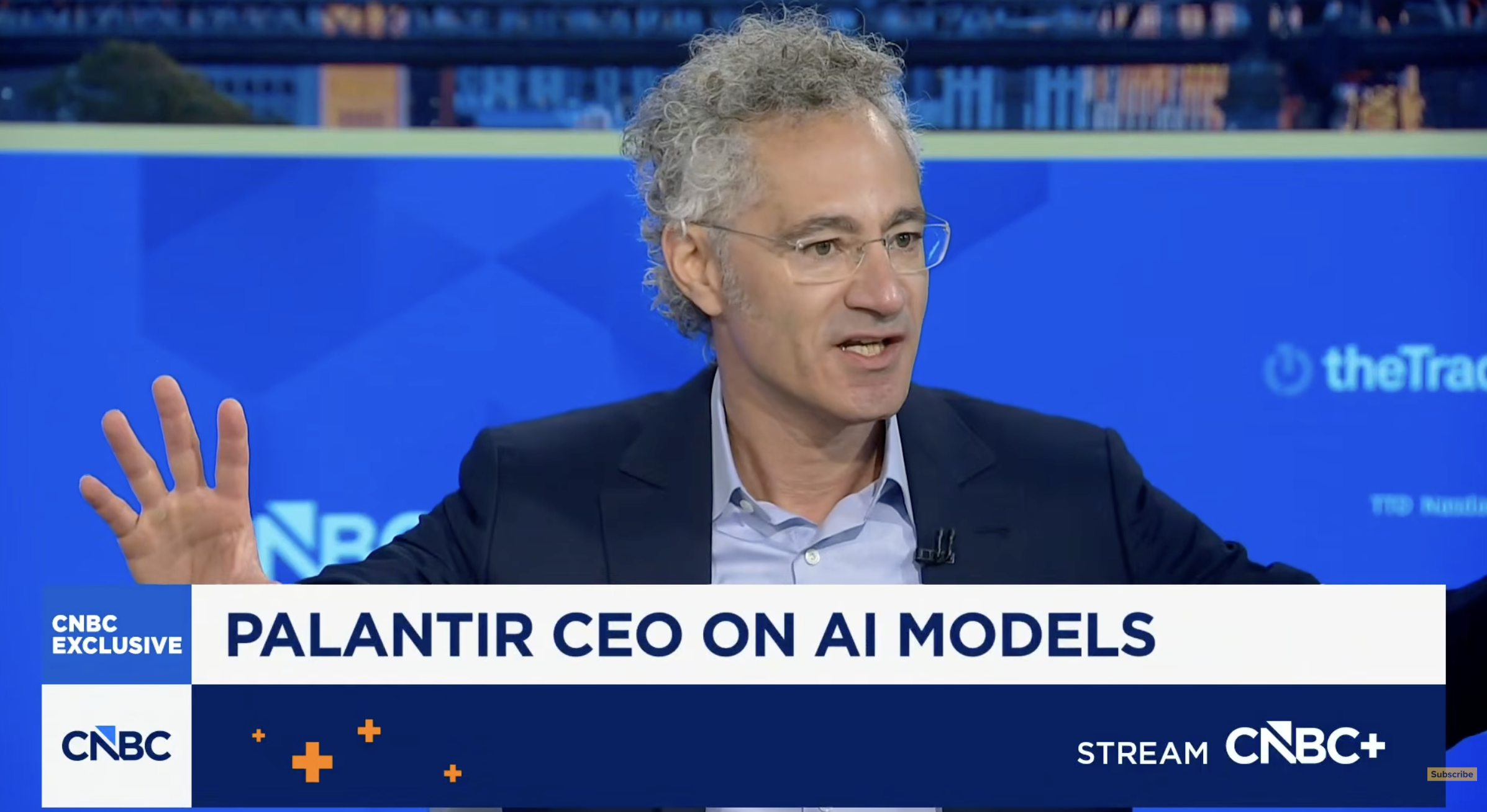
Vendor contracts represent a hidden frontier of AI governance risk, often granting broad, unclear permissions for AI tools to access and process proprietary data without organizations fully understanding the implications. As Palantir CEO Alex Karp warns, enterprises risk surrendering their most valuable assets—client data, work product, and proprietary methods—to AI vendors under insufficient safeguards, potentially paying high costs for limited returns. A structured audit of AI vendor contracts focusing on data usage, subprocessors, and AI-specific clauses is essential to prevent unnoticed noncompliance with GDPR, SOC 2, HIPAA, and CCPA, ensuring that AI governance extends beyond technology into legal and contractual domains.

Legal and Credit Sectors Set the Bar
Law firms and private credit institutions now require bulletproof data isolation and auditability, making sector-specific governance a non-negotiable standard for AI adoption.
By mid-2026, private credit firms had crystallized stringent data governance imperatives, mandating that institutional client data never be used to train external AI models without explicit consent. This non-negotiable stance is enforced through robust asset controls, encryption, and rigorous data isolation systems, ensuring clients' comfort with AI adoption. Moreover, compliance with emerging regulatory frameworks like the EU AI Act, despite initial frustrations, has catalyzed more aggressive investments in governance mechanisms to mitigate risks and maintain control over AI models, positioning Europe as a potential blueprint for global standards.
In the legal sector, Palantir CEO Alex Karp's candid warnings on live television spotlight the precarious trade-offs law firms face when integrating AI: paying steep costs for limited returns while risking exposure of their most valuable assets—client data, work product, and proprietary methods—to vendors. Karp advocates for an AI governance approach centered on an application layer that intermediates between raw AI models and sensitive data, enabling AI to reason over information without ingesting or transferring it. This approach, grounded in Palantir's experience securing critical infrastructure, underscores a life-and-death urgency for law firms to rigorously scrutinize AI vendor relationships beyond marketing rhetoric.
Across sectors like private credit and legal services, governance frameworks emphasize transparency and auditability, requiring defined decision boundaries, documented methodologies, version control, and the ability to trace data usage at any point with ease. These controls not only foster trust among institutional clients but also ensure that AI deployment aligns with both regulatory demands and competitive imperatives, illustrating how sector-specific risks directly shape governance priorities and contractual safeguards.