Fiber packaging goes mainstream: bio-based barriers and big partnerships propel circular shift
The gist
Fiber-based packaging is breaking out of the eco-niche and going mainstream, as cutting-edge cellulose films and bio-based coatings win over food giants and regulators alike.
What to know
- Finnish innovators like VTT and LUT University have piloted 100% cellulose-based films that rival plastics—fully recyclable, biodegradable, and ready for demanding food applications by mid-2026.
- Big players from Amcor to Stora Enso are racing to scale up bio-based packaging, fueled by new EU rules, FSSC 22000 food safety certifications, and market share forecasts rising from 37% to 42% by 2045.
- Despite Europe surging ahead, global fiber packaging recycling rates still lag (expected to hit just 37% by 2045), with the US and Asia-Pacific trailing due to infrastructure and policy gaps.
Next-Gen Bio Barriers Arrive
Finnish breakthroughs in cellulose-based and suberin-coated films are setting new standards for food packaging, combining advanced functionality with true recyclability and biodegradability.
By mid-2026, significant strides have been made in bio-based coatings and films, exemplified by the Finnish F3 project and suberin-based coatings from birch bark. The F3 project, led by VTT Technical Research Centre of Finland and LUT University, has pioneered a 100% cellulose-based film and coating platform that combines plastic-like functionality with inherent biodegradability and recyclability, achieving pilot-scale production suitable for demanding food packaging applications. Simultaneously, suberin-derived coatings extracted from birch outer bark have demonstrated comparable water vapor barrier performance to fossil-based alternatives while enhancing recyclability and valorizing forest industry side streams, with up to 1,500 meters produced in semi-pilot runs. These innovations underscore a shift toward scalable, sustainable packaging solutions that integrate seamlessly with existing converting and recycling systems.
The cellulose-based films and coatings developed by the F3 project stand out for their multifunctionality and regulatory alignment. These materials not only provide excellent oxygen and grease barrier properties essential for food packaging but also support advanced features such as antimicrobial, antioxidant, and environmentally responsive functionalities that react to humidity, gas composition, or pH. This versatility aligns with emerging trends in active and intelligent packaging systems and addresses tightening EU regulations like the Packaging and Packaging Waste Regulation (PPWR), which mandates reducing plastic content below 5 wt% in fiber-based materials. As Rajesh Koppolu of VTT notes, this platform bridges the typical trade-off between functionality and end-of-life handling by enabling both recyclability within fiber systems and biodegradability where required.
Looking ahead, the Finnish F3 project envisions expanding the applications of their cellulose-based coatings beyond traditional packaging into sectors such as medical and electronics, leveraging the platform's capacity for intelligent and antimicrobial features. This forward-looking approach not only broadens the scope of bio-based materials but also reinforces the potential for these innovations to disrupt multiple industries by offering sustainable, high-performance alternatives to fossil-based plastics. The demonstrated pilot-scale feasibility and compatibility with existing industrial processes pave the way for commercialization and wider adoption.



Partnerships Power Scale-Up
Industry and research alliances are fast-tracking bio-based fiber packaging from lab to factory, with new 3D fiber technologies making mass-market adoption a reality.
By early 2026, the Finnish F3 project, led by VTT Technical Research Centre of Finland and LUT University, had successfully demonstrated pilot-scale production of 100% cellulose-based films and coatings that combine plastic-like performance with biodegradability and recyclability. This platform is designed for seamless integration with existing converting technologies and recycling streams, enabling packaging manufacturers to adopt sustainable materials without overhauling current industrial infrastructure. As Ville Leminen, Professor of Packaging Technology at LUT University, highlights, these cellulose films have proven compatible with various package converting processes, underscoring their commercial viability and industrial scalability.
The advancement of the F3 technology was propelled by a robust collaboration among research organizations, industry partners, and funding bodies, illustrating the critical role of multi-stakeholder partnerships in transitioning bio-based fiber packaging from laboratory innovation to scalable manufacturing. This collective effort not only accelerated technological development but also fostered commercialization pathways that align with circular economy principles, as emphasized by key contributors such as Carl-Erik Guttormsen of Colombier Finland.
Complementing these efforts, Valmet's launch of its novel 3D Fiber technology, developed in collaboration with Metsä Spring, marks a significant stride in industrial-scale production of molded fiber packaging. This end-to-end solution enhances resource efficiency and supports circular economy goals by producing lightweight yet rigid cellulose fiber products through advanced fiber layering and high automation, positioning Valmet as a leader in renewable material innovations.
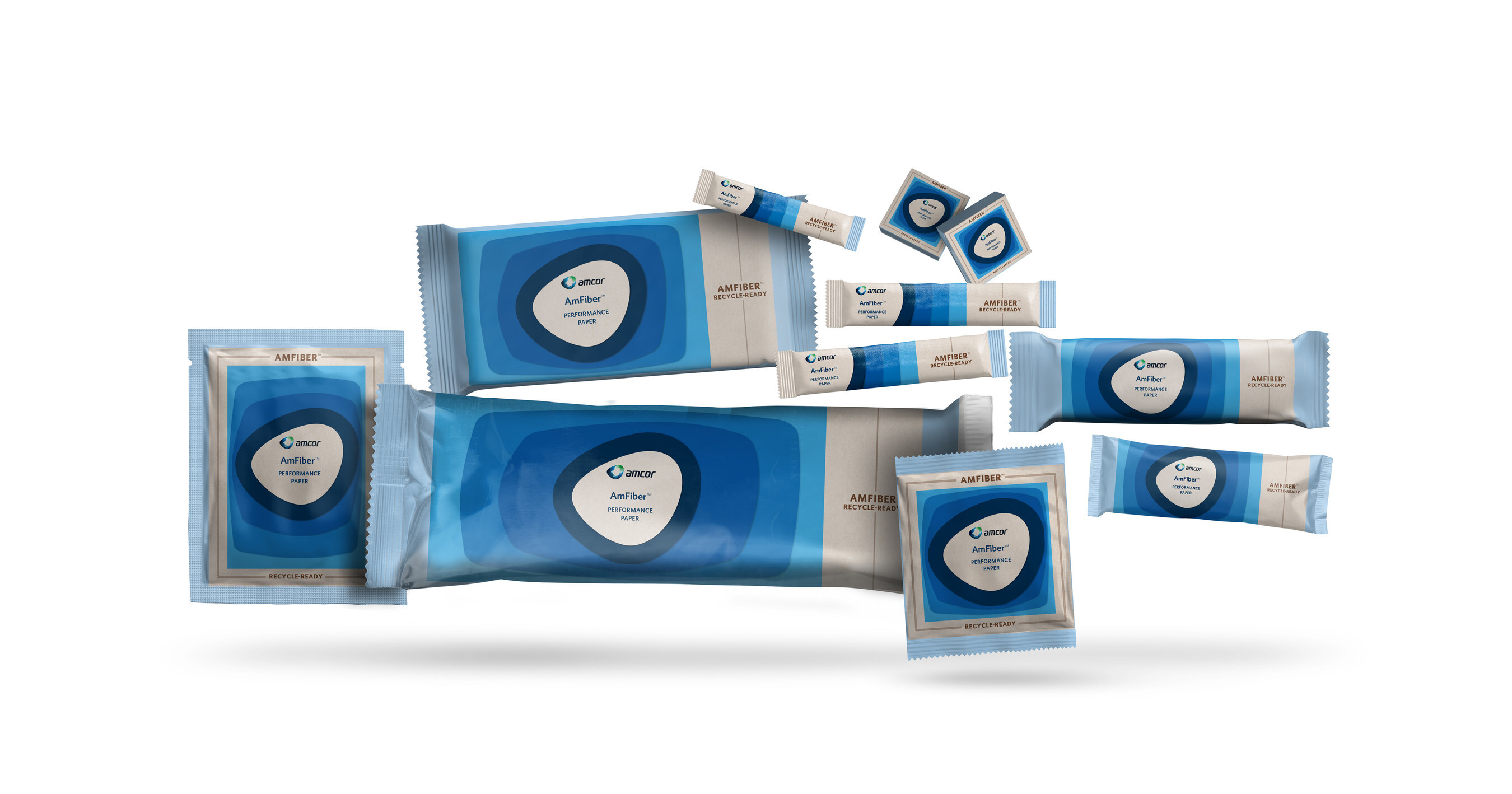
Further exemplifying industry collaboration, Amcor's partnership with U.K.-based startup Kelpi focuses on integrating seaweed-based bio-coating technologies into Amcor's AmFiber™ platform to develop scalable, high-performance barrier materials for fiber packaging. This alliance leverages Kelpi's proprietary sustainable coatings alongside Amcor's global R&D capabilities, aiming to reduce reliance on fossil-derived materials while enhancing recyclability and supporting circular economy principles in next-generation packaging solutions.
Regulation Drives Market Shift
Tougher food safety and sustainability rules are transforming fiber packaging from a green option to an industry standard, but global recycling gaps threaten to slow progress.
By mid-2026, Stora Enso’s Oulu pulp mill marked a significant regulatory milestone as the first in Finland to earn the internationally recognized FSSC 22000 food safety certification, underscoring rigorous risk management and hygiene standards essential for direct food contact applications. This achievement not only bolsters trust in fiber-based packaging’s safety but also exemplifies the broader industry shift toward renewable, high-purity virgin fibers, positioning the Oulu site as a leading integrated packaging material hub in Europe focused on sustainability and the circular bioeconomy. Concurrently, a new study projects fiber-based food packaging to dominate the sustainable packaging landscape by 2045, with its market share expected to grow from 37% today to 42%, driven by innovations in barrier coatings and tightening global sustainability regulations that reinforce the material’s appeal and performance.
The evolving regulatory environment is transforming sustainability from a competitive advantage into a mandatory compliance framework, fundamentally reshaping packaging decisions worldwide. According to the 2026 study, 71% of packaging professionals anticipate sustainability will become a strict government mandate, while 88% foresee this shift driving widespread adoption of recyclable, high-performance materials such as fiber-based packaging. Extended Producer Responsibility (EPR) schemes and eco-modulation fees are key policy tools accelerating this transition, incentivizing manufacturers to prioritize sustainable materials and circular design principles.
Despite optimistic forecasts for fiber-based packaging recycling rates to rise globally—from 31% in 2030 to 37% by 2045—regional disparities highlight ongoing challenges. Europe leads with more robust recycling infrastructure and regulatory support, whereas the US and Asia-Pacific lag due to infrastructural gaps and less stringent policies, resulting in continued reliance on landfilling and incineration. This uneven landscape underscores the need for harmonized regulations and investments to fully realize the environmental benefits of fiber-based packaging on a global scale.