Foldable frenzy: motorola and Apple race for the ultra-premium flip crown
The gist
Apple and Motorola are locked in a high-stakes battle to dominate the ultra-premium foldable phone frontier, each betting big on style, specs, and sky-high price tags.
What to know
- Motorola’s 2026 Razr Ultra hits $1,499.99 with a 7-inch AMOLED display, 14-hour battery life, stylus support, and tougher Gorilla Glass Ceramic 3.
- Apple’s iPhone Ultra foldable, launching September 2026 above $2,200, touts a nearly crease-free hinge, 7.8-inch display, Touch ID, and the new A20 Pro chip with advanced AI.
- Despite major upgrades, both brands face value skepticism—Motorola for modest spec jumps and Apple for eyebrow-raising pricing—while consumers weigh style, durability, and innovation.
Razr Ultra’s Premium Reboot
Motorola doubles down on high-end design and productivity features, but incremental upgrades and a steep price hike test consumer loyalty.
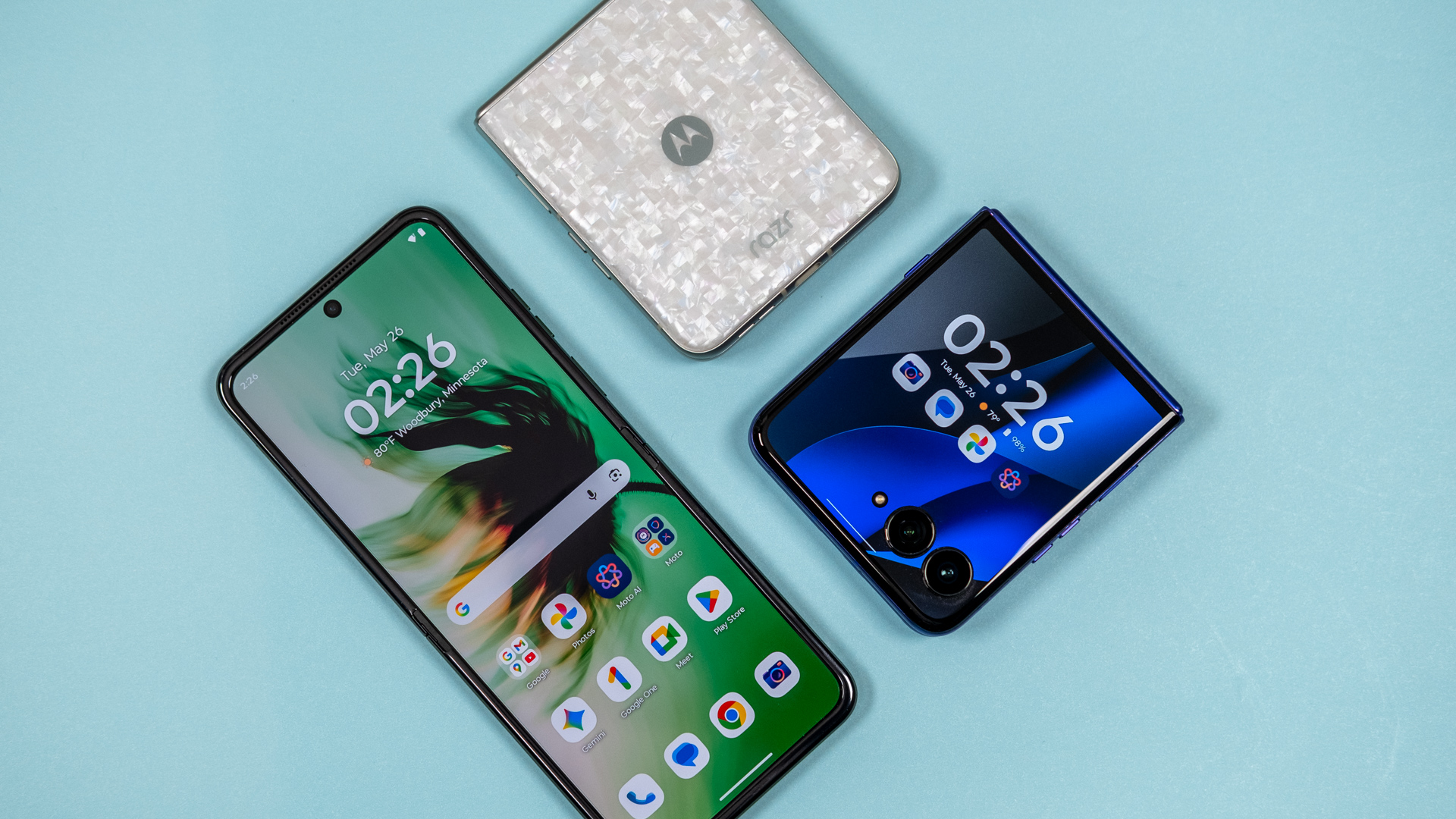
Motorola's 2026 Razr Ultra marks a strategic pivot back to the premium tier, embracing a book-style foldable design that directly addresses user demands for better camera quality and battery life. This repositioning is underscored by the introduction of native stylus support through the optional Penultra accessory, which, while not integrated like Samsung's Z Fold series, offers an additional $100 upgrade for productivity-minded users. As one analyst noted, "Motorola recommitting again to the premium tier... proves they have something to say in this space."
The Razr Ultra 2026 delivers notable hardware and design enhancements, including the best battery life among flip phones, an upgraded main camera with improved low-light performance, and very fast charging and processing speeds that maintain its premium flip-phone appeal. Durability also receives a boost with the introduction of Corning Gorilla Glass Ceramic 3 on the cover screen and an IP48 water and dust resistance rating, making it more resilient for everyday use. These incremental yet meaningful upgrades help the Razr Ultra retain its status as the market’s top flip foldable, even outpacing Samsung’s Galaxy Z Flip 7 in several respects.
Despite these improvements, the Razr Ultra’s 2026 iteration is characterized by modest rather than revolutionary changes, with some technical shortcomings such as subpar video quality and the absence of Qi2 MagSafe support that may hinder its competitive edge. Coupled with a $200 price increase to $1,499.99, critics question the value proposition, describing the device as "essentially the same phone as last year, save for a couple of upgrades here and there." While the new Pantone Cocoa and Orient Blue finishes elevate its fashion-forward design, the incremental nature of upgrades tempers enthusiasm among discerning consumers.
A standout feature remains the Razr Ultra’s spacious 7-inch folding AMOLED display, which continues to deliver a premium and roomy viewing experience consistent with previous models. This, combined with the device’s signature flip-phone perks and refined aesthetics, ensures that Motorola’s Razr Ultra maintains a distinct identity in the foldable market, appealing to users who prioritize both style and functionality in a premium foldable smartphone.


Style Over Substance for Razr
Despite eye-catching aesthetics and bundled perks, Motorola’s Razr foldables struggle to justify their cost and durability for performance-focused buyers.
Motorola's 2026 Razr foldables occupy a challenging niche in the US market, positioned as one of the more affordable clamshell foldables at $800 but facing criticism for a $100 price increase that is difficult to justify given their average technical specifications. To soften this pricing hurdle, Motorola bundles MotoBuds 2 Plus and offers up to $200 in trade-in credit, yet these incentives only partially offset consumer concerns about value compared to competitors like Samsung.
Durability remains a significant consumer apprehension despite Motorola's efforts to reinforce the Razr's hinge with titanium and extensive fold testing. Many users, who typically protect their phones with rugged cases, find the Razr's delicate foldable design incompatible with heavy-duty protection, limiting its appeal to those prioritizing longevity and robustness over style.
While the Razr foldables shine in design—with Pantone-certified colorways, premium vegan leather, and synthetic fabrics that make them arguably the prettiest phones available—their appeal is largely aesthetic rather than performance-driven. Consumers often describe these devices as 'all about vibes,' with middling specs and software support that lags behind rivals, notably offering only three years of OS updates compared to Samsung’s seven, which dampens long-term attractiveness.
Motorola’s adoption of silicon carbon battery technology has yielded a standout advantage in battery life, with the Razr Fold achieving a record-breaking 14 hours and 44 minutes of web surfing time among book-style foldables. This innovation, combined with a polished hardware and software experience, appeals to niche users such as travelers who value the device’s dual smartphone and small tablet functionality, though mainstream adoption remains tentative amid ongoing skepticism and anticipation for Apple’s foldable iPhone.


Apple’s Foldable Gamble
Apple’s crease-free iPhone Ultra aims to disrupt the foldable market with bold hardware choices and a divisive price, igniting both excitement and skepticism among fans.
Apple's iPhone Ultra foldable, slated for a September 2026 launch with a premium price north of $2,200, represents the company's ambitious entry into the foldable market. Leveraging a novel hinge mechanism designed to nearly eliminate the crease—a persistent issue for competitors—Apple aims to deliver a sleek, passport-sized device with a 5.4-inch outer screen and a 7.8-inch folding display that favors a wider aspect ratio for enhanced content consumption.
Technically, the iPhone Ultra balances innovation with practicality: it features a simpler, four-camera setup focusing on versatility rather than pro-level photography, and replaces Face ID with Touch ID integrated into the power button due to design constraints. Powered by the anticipated A20 Pro chip, the device promises improved graphics, efficiency, and AI capabilities, aligning with Apple's broader 2026 upgrades to Apple Intelligence.
Consumer sentiment toward the iPhone Ultra is notably mixed yet significant; surveys reveal that while over a third of respondents express willingness to upgrade, many remain hesitant due to the device’s unconventional form factor and steep price point. Despite this division, the foldable iPhone is poised to be one of Apple's most talked-about launches in recent history, with potential to reshape the competitive foldable smartphone landscape by attracting millions of Apple fans intrigued by the brand’s first flexible display device.