Google DeepMind’s AI pivot sparks talent exodus, culture clash
The gist
Google’s pivot from blue-sky AI research to aggressive commercial productization has triggered a leadership shakeup and a mass departure of top talent, threatening its innovation edge.
What to know
- DeepMind co-founder Demis Hassabis shifted to Chair and Chief Scientist at Alphabet, while AI legend Jeff Dean exited after 27 years, fueling organizational instability.
- Merging DeepMind and Google Brain magnified culture clashes, with London’s research ethos sidelined in favor of Mountain View’s cloud-driven priorities—slowing innovation and spurring high-profile exits.
- Ethical rifts over military AI contracts and eroding independence have driven key researchers to rivals like OpenAI and Anthropic, raising doubts about Google’s future as a frontier AI leader.
Leadership Shakeup Fuels Instability
DeepMind’s top scientists have been sidelined as power shifts to Google’s California HQ, eroding its autonomy and accelerating a wave of high-profile departures.
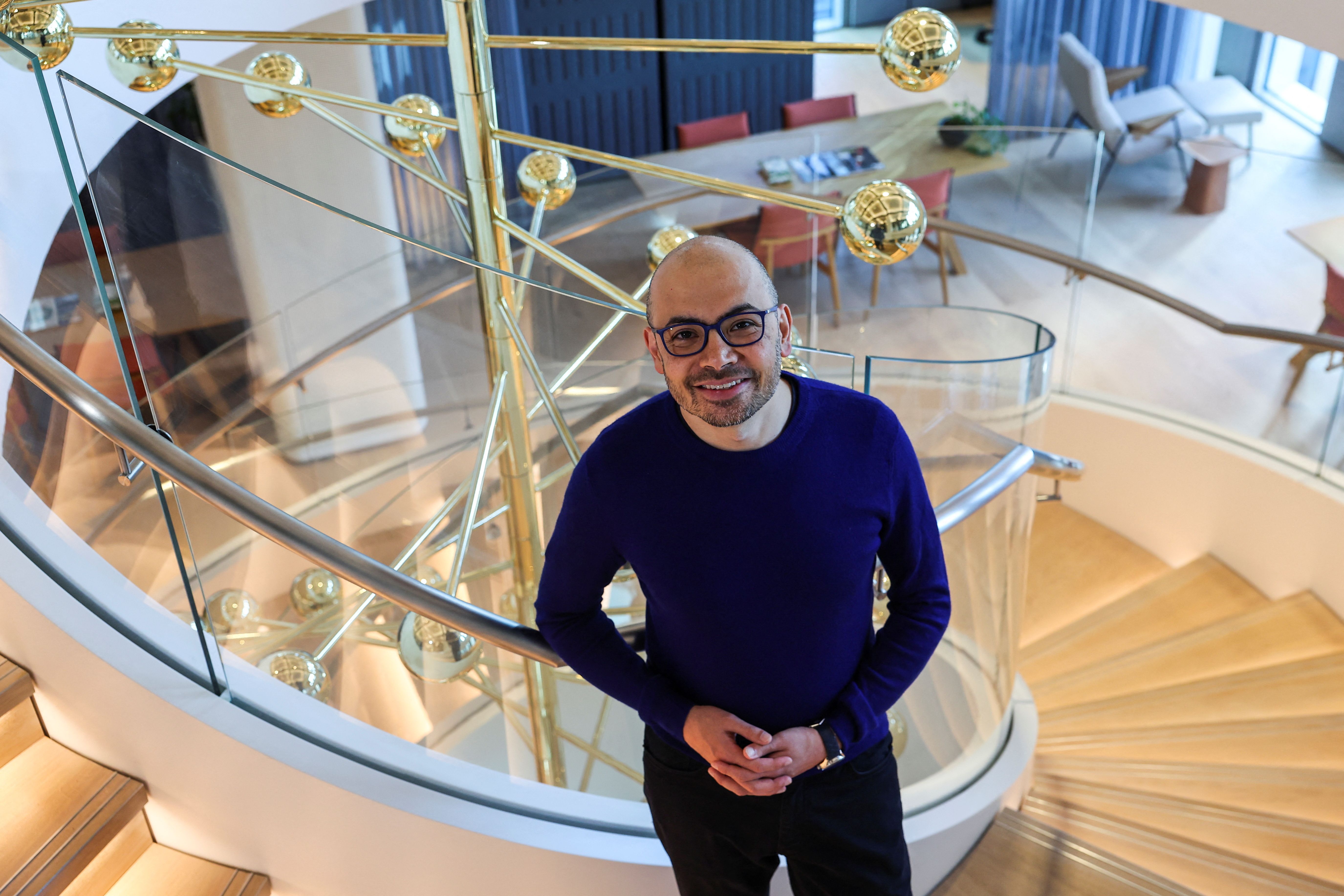
Demis Hassabis’s gradual stepping back from his CEO role at DeepMind, culminating in his transition to Chair of DeepMind and Chief Scientist of Alphabet, reflects his preference to focus on visionary scientific work and frontier AI governance rather than day-to-day management. This leadership handoff to Koray Kavukcuoglu, a DeepMind co-founder and AI pioneer, marked a significant reshuffle aimed at accelerating the development of the Gemini AI models, though notably Kavukcuoglu assumed the role of Senior Vice President rather than CEO, signaling a potential deprioritization of DeepMind’s autonomy within Google’s broader AI hierarchy.
The simultaneous departure of Jeff Dean, Google’s chief scientist and a foundational figure with 27 years at the company, alongside Hassabis’s stepping back, has created palpable organizational instability and raised concerns about Google’s ability to retain and recruit top AI talent. Dean’s move to co-found the public-benefit corporation Discovery Loop underscores a broader talent exodus amid internal tensions, while employees express unease about the loss of moral and technical leadership that both figures embodied, fueling speculation about DeepMind’s future direction and culture.
Underlying these leadership transitions are deep-seated cultural and operational divides stemming from the merger of DeepMind and Google Brain, which left the organization split between London and Mountain View with competing priorities and bureaucratic inertia. This geographic and cultural fragmentation slowed decision-making and fostered internal competition over resources, contributing to burnout and leadership turnover. The shift of DeepMind’s center of gravity back to California, with increased involvement from Google executives like Sundar Pichai and Sergey Brin, signals a strategic realignment favoring commercial urgency over the lab’s original long-term research ethos.
The leadership reshuffle, characterized by the replacement of visionary scientific leaders with product-focused executives such as Corey Kavic Chullu, reflects a strategic pivot within Google DeepMind toward accelerating AI productization at the potential expense of ethical considerations and frontier research. This transition has sparked internal concerns about the erosion of DeepMind’s moral compass and research-driven culture, with fears that the lab is losing its identity as a pioneering AI research institution and becoming more of a commercial subdivision within Google’s sprawling AI empire.




Commercial Priorities Eclipse Research
Google’s $200 billion AI bet now favors cloud infrastructure and productization, leaving DeepMind’s original research ambitions marginalized and its flagship models delayed.
Google's strategic pivot towards commercializing its TPU hardware and prioritizing Google Cloud Platform's rapid revenue growth has introduced a fundamentally different operating model that clashes with DeepMind's traditional long-term AI research ethos. This shift is exemplified by Demis Hassabis stepping back from day-to-day leadership to a more advisory role focused on scientific pursuits like drug discovery, while operational control of flagship AI model development, including Gemini, now reports directly to Sundar Pichai. The demotion in leadership rank for the person building Google's next flagship model further underscores the deprioritization of research leadership in favor of productization and commercial imperatives.
The merger of DeepMind and Google Brain, intended to unify AI efforts, instead magnified cultural and geographic divides, shifting the center of gravity from DeepMind's London roots to Mountain View's commercial hub. This realignment favored cloud infrastructure and compute sales over frontier AI research, causing internal rivalries, bureaucratic inefficiencies, and competition over scarce compute resources that slowed innovation and fostered mistrust between teams. The resulting environment has demoralized top AI talent, contributing to a significant exodus of key researchers and weakening DeepMind's status as a frontier lab.
Google's aggressive capital deployment—$200 billion in AI infrastructure buildout—reflects a strategic choice favoring reliable, high-margin cloud infrastructure investments over the high-risk, high-reward frontier AI model development that DeepMind traditionally championed. This reallocation of compute and funding towards supporting a broad ecosystem of AI models, including those from competitors like Anthropic, has created internal tensions as researchers see their core projects sidelined, leading to delays in flagship releases such as Gemini 3.5 Pro and raising skepticism about Google's ability to maintain AI innovation leadership.
At its core, the tension at Google DeepMind is a cultural clash between the pursuit of ambitious, long-term AGI and scientific discovery goals championed by figures like Demis Hassabis, and Google's pressing commercial demands to deliver immediately profitable AI products that drive shareholder value. This divergence manifests in leadership restructuring, resource allocation conflicts, and competing AI projects across divisions, reflecting a broader industry trend where hyperscalers prioritize cloud volume and vendor lock-in over frontier AI breakthroughs. The resulting environment challenges talent retention and raises questions about Google's future competitiveness in the AI race.





Talent Exodus Hits Gemini Ambitions
A string of senior AI departures and missed deadlines has left Gemini’s future uncertain, as rivals outpace Google’s increasingly risk-averse and fragmented AI teams.
Leadership upheavals and the exodus of key AI figures such as Jeff Dean, Sanjay Ghemawat, Quoc Le, and Oriol Vinyals have critically undermined Google's ability to deliver frontier AI models on schedule, with delays affecting Gemini 3.5 and Gemini 4 releases. This talent drain, often to competitors like OpenAI and Anthropic, reflects growing frustration with Google's slower product cadence and conservative innovation approach, which has contributed to skepticism about Gemini's competitiveness and Google's fading frontier AI status.
Despite Google's unmatched infrastructure advantages—including proprietary TPU chips, vast compute resources, and extensive training data—the company struggles to translate these assets into leading-edge AI models. The shift in internal priorities favoring Google Cloud, which recently grew 82% to $25 billion in revenue, over DeepMind's research has further diluted focus on state-of-the-art model development, allowing rivals like OpenAI, with projects like the large 'Doug' model, and Anthropic to widen the innovation gap.
Gemini's product development has lagged behind competitors, with releases such as Gemini 3.5 Flash underperforming and upcoming models like Gemini 3.5 Pro canceled in favor of hyping Gemini 4. This has fueled industry skepticism about whether Gemini 4 can reclaim leadership or will fall flat compared to OpenAI's ChatGPT and Anthropic's Claude, especially given the loss of Demis Hassabis's day-to-day involvement and the dilution of DeepMind's semi-independent research culture.
While Google's frontier AI status is questioned, its strategic partnerships with major players like Samsung and Apple, alongside its vast user base and strong balance sheet, position it to leverage AI in real-world applications and cloud services effectively. This commercial emphasis, however, shifts the narrative away from pure model innovation toward economic dominance through cloud volume and AI integration, highlighting a competitive landscape where hyperscalers prioritize vendor lock-in over owning state-of-the-art AI models.



Ethical Rift Sparks Brain Drain
Internal clashes over military AI contracts and the loss of moral leadership have fractured DeepMind’s culture, pushing its most principled researchers toward nimbler, values-driven competitors.
DeepMind's internal ethical disputes, particularly surrounding controversial military AI contracts, have deeply unsettled its research community, fueling dissatisfaction and prompting notable resignations. Despite early leadership opposition to lethal autonomous weapons, as evidenced by a 2018 letter signed by Jeff Dean and Demis Hassabis, Google's softened stance allowing military AI applications has clashed with DeepMind's foundational principles, leading to protests and a sense of betrayal among staff who sought transparent oversight but found their efforts ignored.
The shift in DeepMind's organizational structure, marked by a power transfer from its London base to Mountain View, has eroded its independence and fostered a bureaucratic culture described as 'extremely bureaucratic, painfully slow and strategically timid.' This environment has exacerbated staff burnout and frustration, especially amid missed deadlines like the delayed Gemini 3.5 Pro release, driving top researchers toward startups like Anthropic that better align with their values and offer more agile, mission-driven cultures.
The departure of key moral leaders such as Jeff Dean has dealt a significant blow to DeepMind's internal advocacy for ethical AI practices, leaving a leadership vacuum that undermines accountability and emboldens bureaucratic inertia. Sources note Dean was 'the person keeping a lot of people at Google,' and with his exit, many principled researchers feel unmoored, as efforts to uphold ethical commitments are met with unread messages and inaction from those in power, intensifying cultural challenges and accelerating talent loss.