Googlebook AI laptops launch: gemini-powered magic pointer and aluminium OS aim to outshine Microsoft and Apple
The gist
Google is rewriting the laptop rulebook with its Gemini-powered AI-native Googlebooks, fusing Android and ChromeOS into a unified, intelligent platform designed to outshine Microsoft and Apple.
What to know
- Googlebook AI laptops debut via Acer, Asus, Dell, HP and Lenovo, boasting Intel, Qualcomm, and MediaTek chips and a premium build that leaves old Chromebooks in the dust.
- The new Magic Pointer, powered by Gemini AI and DeepMind, delivers real-time contextual suggestions and lets you create widgets or edit images right at your cursor with natural language.
- Aluminium OS, the unified Android-ChromeOS platform, brings seamless AI automation, native Android app performance, and a bold Material Design refresh—heralding a new era of AI-driven personal computing.
Googlebook: Premium Hardware Play
Google’s alliance with top OEMs and strict hardware standards positions Googlebook as a direct challenger to MacBook and Surface, signaling a decisive move into the high-end laptop market.
Google's launch of the Googlebook AI-native laptops marks a strategic collaboration with leading OEMs including Acer, Asus, Dell, HP, and Lenovo, integrating cutting-edge processors from Intel, Qualcomm, and MediaTek. This partnership ensures that the Googlebook line adheres to Google's stringent hardware guidelines, underscoring a commitment to premium build quality and performance standards that elevate it beyond the traditional Chromebook category.
Positioned as a premium successor to Chromebooks, the Googlebook aims to redefine the user experience by seamlessly blending Android and Chrome OS functionalities with the continuous AI capabilities powered by Google's Gemini model. This integration not only sets a new benchmark for AI-native computing devices but also strategically places the Googlebook in direct competition with high-end laptops like Apple's anticipated MacBook Neo, reflecting Google's ambition to capture a share of the premium laptop market at comparable price points.


Magic Pointer: AI at Your Fingertips
Gemini-powered Magic Pointer and seamless Android integration let users manipulate content, automate workflows, and personalize widgets in real time—right from the cursor.
Googlebook’s AI-native experience is anchored by the Magic Pointer, an innovative AI-enhanced mouse cursor developed by Google DeepMind and powered by Gemini AI. This cursor transcends traditional pointer functions by offering contextual, real-time suggestions directly at the cursor location, enabling users to perform complex tasks such as editing images, stitching visuals together, or creating dynamic widgets from selected content simply by pointing and speaking commands. As demonstrated, users can effortlessly transform a to-do list into a shareable widget or generate calendar events from dates in emails, illustrating how the Magic Pointer redefines user interaction by embedding AI assistance seamlessly into everyday workflows.
Beyond the Magic Pointer, Googlebook introduces the 'Create Your Widget' feature, which leverages Gemini AI to empower users to craft personalized desktop widgets through natural language descriptions. This capability integrates data from Google services and third-party apps, streamlining complex task management such as combining calendar events, hotel reservations, and flight details into a unified dashboard. This frictionless customization exemplifies Google’s vision of AI-native interfaces that anticipate and adapt to user needs without cumbersome manual setup, enhancing productivity and personalization at the OS level.
Complementing its AI-driven cursor and widget innovations, Googlebook offers seamless integration with Android phones, creating a cohesive cross-device ecosystem that enhances user experience. By merging the Android kernel with ChromeOS capabilities, Googlebook supports native Android apps and enables elegant phone mirroring, allowing users to run mobile applications directly on their laptops. This tight integration not only extends AI-powered interactions beyond the laptop but also reinforces Google’s strategy to unify its hardware and software ecosystem, fostering fluid productivity and interaction across devices.
The integration of AI features like the Magic Pointer at the operating system level marks a significant shift toward AI-native user interfaces, where AI assistance is always present and contextually aware throughout the device environment. This design philosophy removes traditional barriers to AI adoption by eliminating the need for separate chat windows or complex prompts; users simply point and speak commands such as 'double these ingredients' or 'fix this,' making AI interaction intuitive and natural. As Google DeepMind’s approach emphasizes maintaining workflow continuity and turning pixels into actionable entities, Googlebook exemplifies how AI can be woven into the fabric of everyday computing.



Aluminium OS: Unified, AI-First Platform
Aluminium OS merges Android and ChromeOS with deep Gemini AI integration, enabling native app performance, intuitive task automation, and a visually striking Material Design overhaul.
Google's Aluminium OS represents a bold reimagining of laptop operating systems by unifying Android and ChromeOS features into a single AI-first platform built on the Linux kernel of Android. This new OS introduces a visually striking Material Design refresh characterized by frosted glass effects, gradients, and flowing glows, signaling a fresh, immersive interface that complements its AI-native ambitions. While still internally codenamed Aluminium OS, Google plans to finalize branding later in 2026, positioning this OS as a premium successor to traditional Chromebooks with a seamless blend of mobile and desktop capabilities.
At the heart of Aluminium OS lies deep integration with Google's Gemini AI, which transforms the operating system into an 'intelligence system' rather than just software. This agentic AI layer runs beneath Android, enabling sophisticated multistep task automation across apps without switching contexts, such as copying notes, adding items to shopping carts, and booking appointments through natural language commands. Features like the AI cursor—activated by shaking the mouse—allow users to interact with on-screen elements intuitively, requesting tasks like graphic generation or selection-based queries, effectively making the Googlebook laptop a peripheral controlled by AI-driven intent interpretation.
The integration of Gemini AI also extends to innovative user experiences like 'vibe-coding' for widgets, where users can generate custom widgets simply by describing their needs in natural language, exemplifying Google's vision of AI-native app creation within the Android ecosystem. Moreover, Aluminium OS enables truly native Android applications to run without emulation, overcoming previous performance bottlenecks and hardware access limitations found in Chromebooks. This seamless fusion of AI intelligence and native app performance marks a foundational shift in computing, positioning Googlebook as a premium, AI-first successor that redefines how users interact with their devices.



Google’s Full-Stack AI Ambition
From orbital data centers to agentic AI and a reimagined search box, Google is building an end-to-end ecosystem that transforms devices, infrastructure, and user experience into seamless, AI-driven platforms.
Google is aggressively expanding its AI ecosystem by embedding its Gemini AI models deeply across its vast product suite, including Search, Gmail, Workspace, Android, and emerging hardware like AI-enabled glasses developed with Warby Parker and Gentle Monster. This comprehensive integration is complemented by the introduction of agentic AI innovations such as the Spark agent, which operates continuously in the cloud to autonomously manage tasks like email summarization and scheduling, positioning Google to rival Microsoft’s OpenClaw/Hermes and Anthropic’s Claude. By leveraging its massive user base—Gemini’s app alone boasts 900 million monthly active users—and pioneering a full-stack AI approach from custom TPUs to multimodal AI models like Gemini Omni, Google is transforming everyday user interactions into seamless, AI-driven experiences that challenge traditional app paradigms and redefine search as a conversational, task-completing interface.
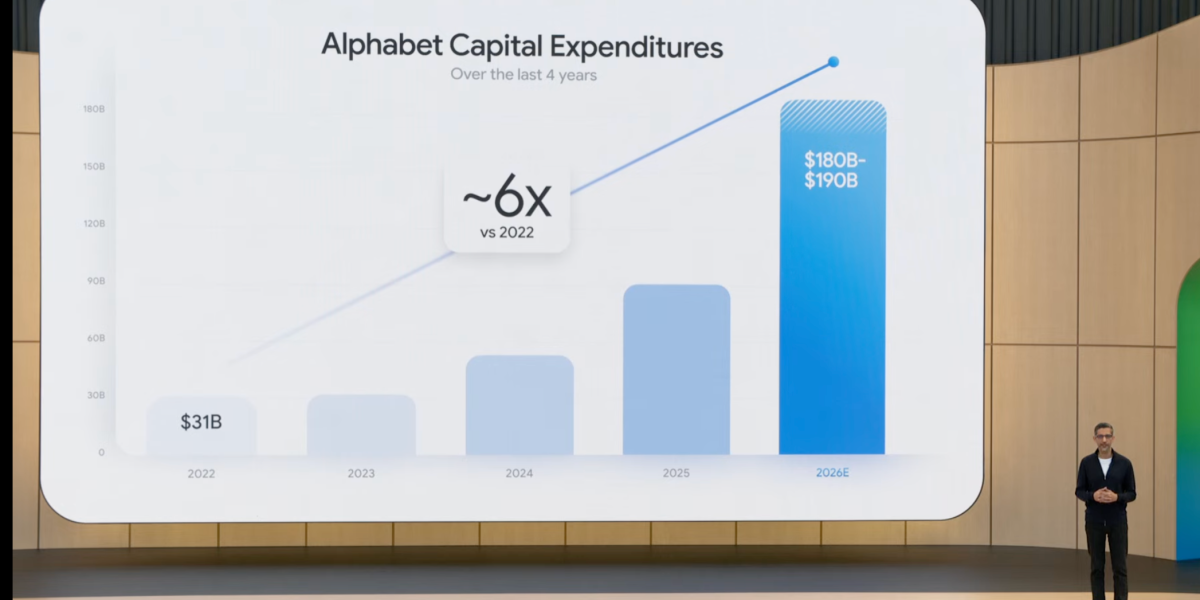
Beyond software and devices, Google is innovating its AI infrastructure by exploring orbital data centers in partnership with SpaceX to alleviate terrestrial energy constraints and boost AI compute capacity, signaling a long-term strategic investment that could provide a significant competitive edge in model performance and scalability. This infrastructure advantage complements the launch of Gemini 3.5 Flash, a model delivering frontier-level performance at four times the speed of comparable rivals while costing less than half, enabling cost-effective deployment of agentic AI applications and reinforcing Google's leadership in AI efficiency and real-world utility.
Google’s AI strategy is not only about technological prowess but also about reshaping user experience by reinventing fundamental computing interactions, exemplified by the AI-powered transformation of the iconic search box—the first major redesign in 25 years—into an intelligent, conversational interface that integrates multimodal inputs and agentic capabilities. This shift from link-based results to AI-generated summaries and proactive information agents reflects Google's vision of AI as a ubiquitous assistant that autonomously carries out complex tasks such as booking services or managing communications, thereby reducing reliance on traditional apps and enhancing productivity across consumer and enterprise domains.
In the fiercely competitive AI landscape, Google leverages its unparalleled distribution across platforms like Search, Android, YouTube, and Workspace, combined with its strategic partnerships—including powering Siri on iOS with Gemini AI—to create a formidable moat that differentiates it from Microsoft, Apple, and Meta. While competitors focus on standalone chatbots or wearable superintelligence, Google’s approach emphasizes seamless, everyday AI integration accessible to billions, as Sundar Pichai and DeepMind’s Demis Hassabis underscore with ambitions toward the technological singularity, highlighting Google’s commitment to both immediate user impact and transformative long-term AI advancements.