Hydrogen’s heavy lift: ammonia carriers, steel breakthroughs, and MIT analytics power a global push
The gist
Hydrogen's bumpy road to global energy stardom is getting a serious upgrade, thanks to ammonia supercarriers, tougher steel, and MIT's data-driven logistics wizardry.
What to know
- Hauling hydrogen is a technical headache—liquefying it at -253°C burns up nearly half its energy, and steel pipes risk cracking from embrittlement.
- Industry heavyweights are betting on ammonia carriers and embrittlement-proof alloys, with Finland eyeing a €34 billion GDP boost and Korea slashing refueling station costs by 50%.
- MIT's open-source HyCAT tool lets anyone crunch the numbers on hydrogen transport costs and emissions, giving supply chain strategists a new edge.
Ammonia: Hydrogen’s Secret Weapon
Turning hydrogen into ammonia leverages a global chemical network, sidestepping extreme storage hurdles and unlocking scalable, long-distance hydrogen logistics.
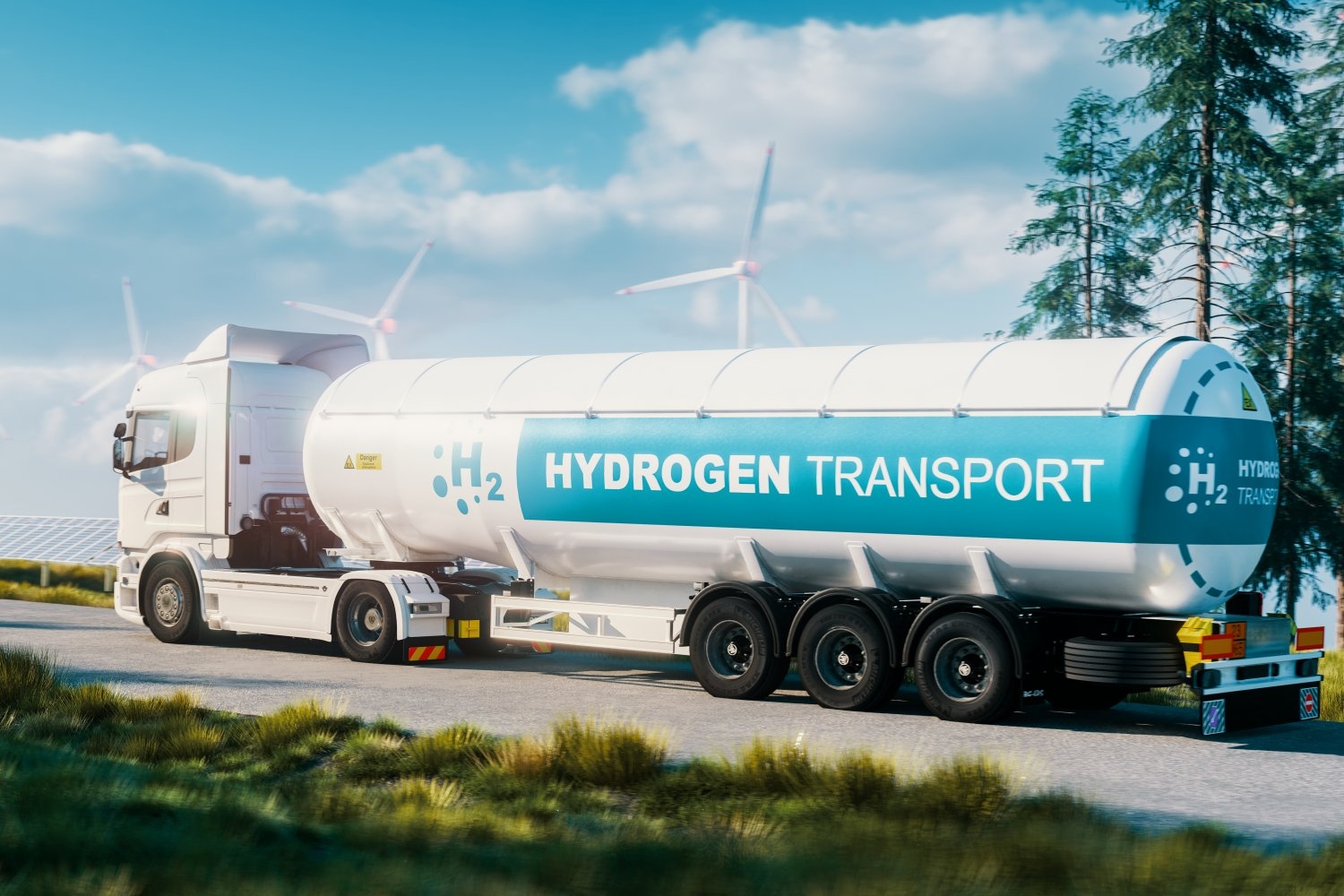
Transporting hydrogen over long distances remains a formidable technical challenge due to its unique physical properties. As the smallest and lightest element, hydrogen demands energy-intensive processes such as liquefaction at -253 °C, which consumes nearly half of its energy content and results in about 1% boil-off loss daily during shipping. Alternatively, compressing hydrogen to 700 bar or freezing it requires heavy-duty storage solutions, while existing steel pipelines are prone to hydrogen embrittlement that causes cracks and leaks, complicating infrastructure reliability.
To circumvent these hurdles, the industry increasingly turns to chemical carriers like ammonia, leveraging the century-old Haber-Bosch process to convert hydrogen into a more transport-friendly compound. Ammonia, which accounts for half of the global fertilizer market and is one of the most traded chemicals worldwide, offers a practical vector for hydrogen transport despite its toxicity and regulatory constraints in urban environments. This approach capitalizes on established production and distribution networks, presenting a viable pathway to scale hydrogen logistics sustainably.

Steel Breakthroughs Reshape Economies
Finland and South Korea’s advanced alloys and thermal compression tech not only solve embrittlement but also promise billions in GDP growth and faster, cheaper fueling.
By mid-2026, material innovation emerged as a cornerstone for advancing hydrogen infrastructure, with the MatH2 consortium—led by Wärtsilä and VTT Technical Research Centre of Finland—pioneering affordable, durable materials designed to combat hydrogen embrittlement and degradation. These breakthroughs not only promise safer and more cost-effective hydrogen transport and storage but also hold transformative economic potential, with projections estimating a €34 billion annual contribution to Finland’s GDP and the creation of over 60,000 jobs by 2035.
Simultaneously, South Korea’s SeAH Besteel tackled hydrogen transport challenges by developing high-strength, 100-bar class seamless pipes (API 5L X70) and innovative hydrogen storage alloys that resist embrittlement and significantly cut infrastructure costs. This domestic production strengthens supply chain resilience, reducing import dependency and shielding the hydrogen economy from global market volatility, as a SeAH representative emphasized, 'Securing these core special steel technologies is a major leap forward.'
SeAH Besteel’s hydrogen storage alloy also revolutionizes refueling station economics and performance by replacing costly mechanical compressors with a thermal cycle-based compression method, potentially halving construction and maintenance expenses. Moreover, its capability to enable ultra-high-pressure injection up to 900 bar aligns with Korea’s Hydrogen Economy Roadmap by dramatically shortening refueling times and enhancing consumer adoption of hydrogen fuel cell vehicles.


HyCAT: Data-Driven Hydrogen Decisions
MIT’s HyCAT tool isolates transport costs and emissions, giving global stakeholders a customizable edge to optimize hydrogen supply chains in real time.
MIT’s Hydrogen Carrier Analysis Tool (HyCAT) emerges as a pivotal innovation in optimizing hydrogen supply chains by focusing exclusively on the transportation and delivery phases. By isolating costs and greenhouse gas emissions incurred during shipping—from incoming to outgoing hydrogen—HyCAT provides targeted insights that help stakeholders navigate the complex logistics of hydrogen transport. This specialized focus allows users to dissect and improve the most challenging segment of the supply chain without conflating it with production or end-use variables.
Recognizing the vast variability in hydrogen transport costs and emissions across different geographies and shipping methods, HyCAT offers a highly adaptable, open-source platform that empowers users to input local data and assumptions. This customization is facilitated through an intuitive interface featuring drop-down menus and clear visual outputs like bar charts and detailed tables, enabling stakeholders worldwide to tailor their logistics strategies effectively. As Ibrahim from MIT notes, the tool’s design anticipates ongoing industry evolution, allowing continuous updates to maintain relevance and accuracy in a rapidly developing hydrogen economy.