ICE shock glove plan ignites national rights showdown
The gist
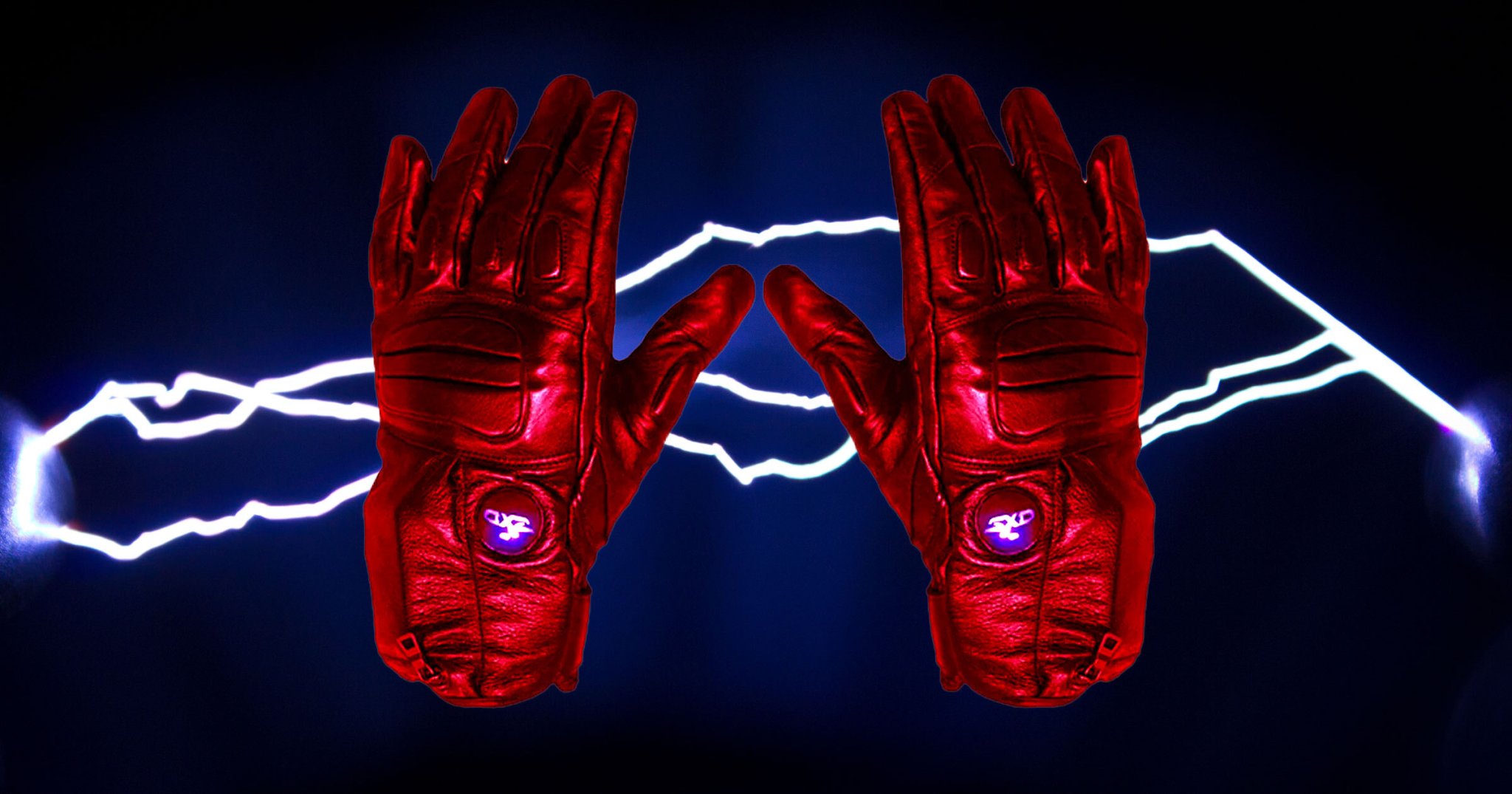
ICE's $20 million electric shock glove purchase has ignited a fierce national showdown over civil rights, police power, and the future of enforcement tactics.
What to know
- Civil liberties groups and lawmakers are demanding Congress halt ICE’s planned acquisition, blasting the gloves as 'institutionalized torture' and warning of catastrophic misuse.
- Over 50 police departments—including Omaha public schools—already use the shock gloves, despite the manufacturer's own warning that they 'may result in injury or death.'
- Law enforcement leaders defend the gloves as a vital safety tool, but critics say ICE’s move signals a dangerous escalation of force and a step toward authoritarian policing.
Rights Groups Sound the Alarm
Civil liberties advocates warn that ICE’s shock glove plan represents a dangerous normalization of pain-inflicting tools and signals a slide toward authoritarian enforcement tactics.
Civil liberties organizations such as the ACLU have voiced strong opposition to ICE’s $20 million purchase of electric shock gloves from Compliant Technologies, warning that their easily concealed and rapidly deployable design significantly heightens the risk of misuse and harm. This concern is amplified by the gloves’ existing use in over 50 police departments nationwide, including in Omaha public schools, sparking debates about safety, oversight, and the disproportionate impact on vulnerable populations.
The acquisition comes amid intensified scrutiny of ICE’s use of force, following numerous high-profile incidents involving civil rights violations and documented harsh detention conditions. Advocates highlight a troubling pattern of violent enforcement tactics—ranging from masked agents and unmarked vehicles to chemical irritants and medical neglect—that raises fears the gloves could exacerbate systemic abuses rather than improve accountability.
Human rights defenders and civil rights advocates have framed ICE’s deployment of electric shock gloves as a form of institutionalized torture, with opinion leaders urging Congress to halt all federal funding for these devices. They argue that equipping government agents with tools designed to inflict electrical pain not only violates ethical standards but also signals a dangerous slide toward authoritarianism and dehumanization, warning that such measures normalize cruelty under the guise of law enforcement.


Lawmakers Push Back Hard
State and federal legislators are mobilizing to halt the $20 million shock glove purchase, citing glaring gaps in oversight, training, and basic protections for vulnerable populations.
California lawmakers have taken a proactive stance by considering legislation to regulate electric-shock gloves amid ICE’s planned acquisition of 10,000 to 15,000 pairs. Despite limited authority over federal agencies, the state is motivated by concerns over potential misuse, insufficient training, and the appropriateness of deploying such devices in civil immigration enforcement, reflecting broader worries raised by groups like the ACLU and former ICE officials.
At the federal level, Representatives Lou Correa, Bennie Thompson, and Shri Thanedar have formally urged Homeland Security Secretary Markwayne Mullin to halt ICE’s $20 million purchase of electric shock gloves, highlighting the manufacturer’s stark warning that these devices 'may result in injury or death.' Their intervention underscores serious safety risks and inadequate training, emphasizing accountability concerns and the potential for misuse within ICE’s enforcement operations.
Adding to the chorus of opposition, Rep. Lauren Underwood has publicly condemned DHS’s plan to spend up to $20 million on electric shock gloves for ICE, labeling the initiative as 'disturbing.' She questioned the department’s limits on usage, especially protections for vulnerable populations, and criticized the purchase amid existing gaps in body camera coverage, suggesting that funds would be better spent enhancing oversight and transparency rather than on controversial enforcement tools.

Police Double Down on Defense
Law enforcement leaders tout shock gloves as essential for reducing physical struggles and boosting officer safety, pointing to widespread adoption—even in schools—despite mounting controversy.
Law enforcement agencies, including ICE’s Homeland Security Investigations and Enforcement Removal Operations divisions, staunchly defend the deployment of electric shock gloves as essential tools for ensuring compliance and officer safety during arrests, detentions, and deportations. Police Chief John Noland of Sahuarita, Arizona, highlighted that his 68-officer department has successfully used these gloves for roughly two years, emphasizing that the devices are not inhumane but rather reduce physical struggles in the field and enhance operational effectiveness.
The electric shock gloves have gained widespread acceptance across law enforcement, with over 50 police departments nationwide—including unconventional settings like Omaha public schools—already integrating this technology into their standard equipment. This broad adoption underscores a growing institutional belief in the gloves’ utility for compliance and safety, countering civil rights criticisms by positioning the devices as proven, practical tools in everyday policing.