Intel’s arc g3 handhelds set new gaming standard, outpacing AMD as early reviews roll in
The gist
Intel’s new Arc G3 handheld chips are shaking up the portable gaming world, leapfrogging AMD’s best with powerhouse performance and early rave reviews.
What to know
- Arc G3 and G3 Extreme chips boast 14-core CPUs on Intel’s advanced 18A process, with the Extreme model hitting 4.7GHz and doubling AMD Radeon 890M’s graphics performance.
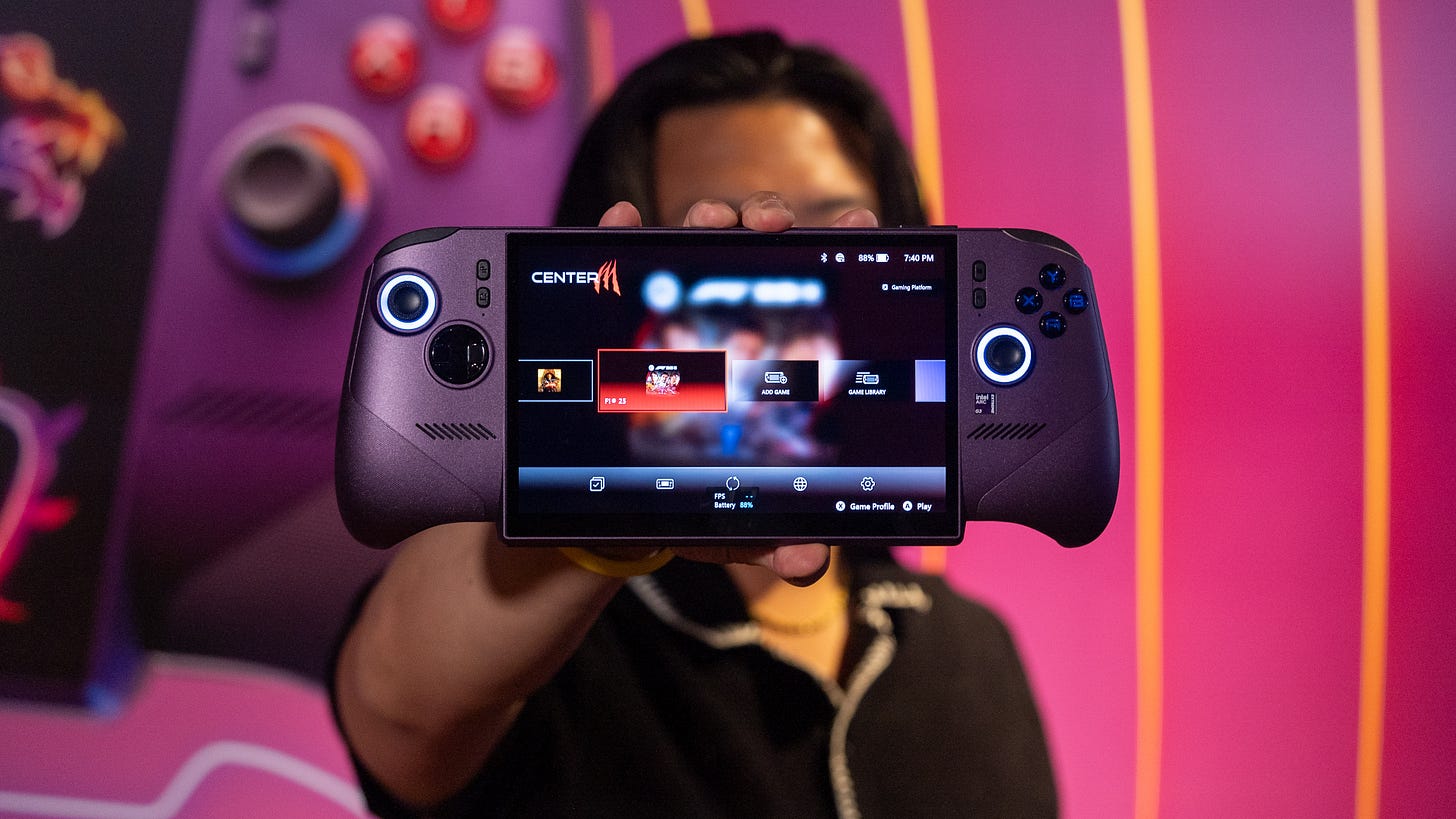
- Flagship handhelds from Acer and MSI—like the Predator Atlas 8 and Claw 8 EX AI+—arrive mid-2026 with 8-inch high-refresh displays, up to 32GB LPDDR5X RAM, Wi-Fi 7, and Thunderbolt 4.
- Early reviews praise MSI’s Claw 8 EX AI+ for steady 60fps at 1200p and superior ergonomics, while Intel’s XeSS 3 AI upscaling and Xbox Mode integration further boost gaming fidelity and speed.
Intel’s 14-Core Handheld Breakthrough
Arc G3 and G3 Extreme chips debut a unique 14-core architecture and advanced 18A process, balancing power and efficiency to redefine portable gaming performance.
Intel’s Arc G3 and G3 Extreme chips mark a significant architectural leap for handheld gaming PCs by integrating a sophisticated 14-core CPU design that balances performance and power efficiency through a mix of 2 performance cores, 8 efficiency cores, and 4 low-power efficiency cores. Built on Intel’s cutting-edge 18A manufacturing process, this heterogeneous core configuration is tailored to meet the stringent power constraints of portable devices while delivering robust computational power.
The Arc G3 Extreme variant pushes the envelope further with higher boost clocks reaching 4.7GHz and a beefed-up integrated GPU featuring 12 Xe3 cores (Arc B390), which Intel claims can deliver up to twice the graphics performance of AMD’s Radeon 890M. This GPU prowess, combined with support for up to 32GB of ultra-fast LPDDR5X-8533 memory, positions the chip to rival AMD’s Ryzen Z-series in handheld gaming performance, a claim underscored by strong vendor interest from MSI, OneXPlayer, and Acer.
Beyond raw processing power, Intel has embedded advanced connectivity standards such as Wi-Fi 7, Bluetooth 6, and Thunderbolt 4 into the Arc G3 platform, ensuring seamless, low-latency multiplayer and peripheral support crucial for handheld gaming experiences. Coupled with cutting-edge gaming technologies like real-time ray tracing and XeSS 3 AI upscaling, these chips are engineered to deliver visually stunning, high-fidelity gaming on Windows 11 handheld devices, signaling Intel’s strategic push to redefine portable PC gaming.
Software Edge Fuels Intel’s Surge
Intel’s XeSS 3 AI upscaling, day-0 drivers, and Xbox Mode integration supercharge Windows 11 handhelds, slashing load times and enhancing visuals to challenge AMD’s dominance.
By mid-2026, Intel has strategically leveraged software innovations to elevate gaming performance on Windows 11 handheld devices powered by its Arc G3 chips, which feature in models from Acer, MSI, and OneXPlayer. Central to this push are advancements like XeSS 3 AI upscaling, which enhances visual fidelity without compromising frame rates, and day-0 driver support that ensures seamless compatibility and optimized performance from launch. Complementing these is the integration of Xbox Mode within Windows 11, which, alongside cloud-delivered precompiled shaders, significantly reduces game load times and streamlines the user experience, marking a concerted effort by Intel to challenge AMD’s longstanding dominance in the handheld gaming PC market.

Flagship Devices Redefine Premium
Acer’s Predator Atlas 8 and MSI’s Claw 8 EX AI+ launch with RTX 4050-level graphics, high-refresh displays, and premium features, signaling an aggressive push into the high-end handheld market.
By mid-2026, Intel has strategically partnered with key OEMs Acer, MSI, and OneXPlayer to spearhead the launch of handheld gaming PCs powered by its new Arc G3 processors, with initial shipments slated for June. Flagship devices such as Acer's Predator Atlas 8 and MSI's Claw 8 EX AI+ exemplify this collaboration, aiming to capture the burgeoning handheld gaming PC market through a blend of high performance and advanced connectivity features like Wi-Fi 7 and Thunderbolt 4, all running on Windows 11.
Acer’s Predator Atlas 8 stands out as a premium handheld gaming PC, leveraging Intel’s 3nm Panther Lake platform and Arc G3 chips to deliver graphics performance approaching that of an RTX 4050 Laptop GPU. Its 8-inch 1920×1200 120Hz display, up to 24GB LPDDR5X memory, and robust 80Wh battery are complemented by thoughtful design elements such as custom AeroBlade fans enhancing cooling by 10%, and high-end connectivity options including dual Thunderbolt 4 ports and Wi-Fi 7, positioning it as a formidable contender unveiled at Computex 2026.
MSI’s Claw 8 EX AI+ pushes the envelope as the first handheld to feature Intel’s Arc G3 Extreme processor with 12 Xe cores and a 30W TDP, setting a new benchmark for handheld gaming performance. Launching on June 23, 2026, this $1,500 device combines high-refresh-rate 8-inch displays, up to 32GB memory, and premium ergonomic features like Hall Effect sticks and RGB lighting. MSI’s integration of Intel’s XeSS 3 Multi-Frame Generation technology underscores a tight collaboration aimed at maximizing gaming performance, while the premium price hints at multiple configurations to broaden market appeal.
Together, these OEM partnerships and device launches mark Intel’s assertive challenge to AMD’s dominance in the handheld gaming PC arena, with Arc G3 and G3 Extreme chips reportedly delivering up to twice the GPU performance of AMD’s Radeon 890M. This coordinated rollout not only highlights cutting-edge hardware and software synergies but also signals a competitive landscape where Acer, MSI, and OneXPlayer are poised to vie directly for gamers seeking high-performance, portable Windows 11 gaming experiences.
AMD Rivalry Spurs Innovation
Intel’s Arc G3 series targets AMD’s stronghold with superior CPUs, faster upscaling, and precompiled shaders, aiming to surpass Ryzen Z-series in both power and smooth gameplay.
Intel is aggressively positioning its Arc G3 series to disrupt AMD's entrenched Ryzen Z-series dominance in the handheld gaming PC market by leveraging cutting-edge hardware innovations. Central to this strategy is the deployment of 14-core CPUs fabricated on Intel's advanced 18A process node paired with the new Xe3-based Arc B390 iGPU, promising a significant leap in raw performance and efficiency. Complementing this hardware push, Intel is integrating precompiled shaders into Arc G3-powered devices—a feature also embraced by the Steam Deck and Asus ROG Xbox Ally—to minimize in-game shader compilation times and deliver smoother gameplay experiences, thereby addressing a critical user pain point.
Intel seeks to carve out a competitive edge over AMD not only through hardware but also via superior image quality, leveraging its XeSS Super Resolution upscaler which currently outperforms AMD's FSR 3 technology on handheld platforms. While AMD is poised to counter with the upcoming FSR 4 support for RDNA3 hardware, Intel's early lead in upscaling fidelity underscores its commitment to enhancing visual experiences. This focus on image quality, combined with strategic partnerships with OEMs like MSI, OneXPlayer, and Acer, enables Intel to launch a compelling lineup of Arc G3-powered handhelds starting June 2026, featuring high-end specs such as 120 Hz IPS displays, variable refresh rates, up to 24GB LPDDR5x RAM, and Thunderbolt 4 connectivity—specifications designed to rival and potentially surpass AMD-based competitors.

Early Reviews Crown a New Leader
Hands-on testing shows Intel’s Arc G3 Extreme outpacing AMD in real-world gaming, with MSI’s Claw 8 EX AI+ earning praise for both performance and next-gen ergonomics.
Early hands-on reviews highlight Intel’s Arc G3 Extreme chip as a formidable contender in handheld gaming, delivering superior real-world performance that outpaces AMD Ryzen Z2 Extreme rivals. For instance, the Acer Predator Atlas 8 achieves 55-59fps in Forza Horizon 6 at full resolution with high settings and XeSS Ultra Quality Plus, outperforming the Asus ROG Xbox Ally X by over 10fps. However, initial hardware drawbacks such as narrow vertical viewing angles and the absence of hall-effect analog sticks on the Atlas 8 somewhat undermine the otherwise strong input experience, signaling room for refinement before its anticipated October release.
MSI’s Claw 8 EX AI+ handheld, also powered by Intel’s Arc G3 Extreme, elevates the handheld gaming experience by marrying high-end performance with thoughtful ergonomic design. Delivering steady 60fps gameplay at 1200p in demanding titles like Hogwarts Legacy and Battlefield 6, it sets a new benchmark for power and handling. The device’s Xbox-inspired redesign introduces hall-effect thumbsticks, a metal-gated D-Pad, rounder buttons, and HD haptics, which collectively enhance tactile feedback and comfort, justifying its premium $1,500 price tag and June 23 launch.
By early June 2026, the MSI Claw 8 EX AI+ has been widely recognized as a true leap forward in handheld gaming, not only for its robust performance but also for its improved battery life. Reviewers spending extended time with the device have declared that 'next-gen handhelds have finally arrived,' underscoring the significance of Intel’s Arc G3 Extreme in pushing the handheld ecosystem into a new era of capability and endurance.
Despite the competitive thickness and comfort levels of the Acer Predator Atlas 8—measuring 28.5-58.37mm and comparable in feel to the Asus ROG Xbox Ally X—the device manages to avoid the bulky, unattractive designs that have plagued some rivals. This balance of form and function suggests that Intel-powered handhelds are not only about raw power but also about delivering a user-friendly design that can appeal to a broad gaming audience.