Kia EV3 becomes california’s cheapest long-range EV after rebates
The gist
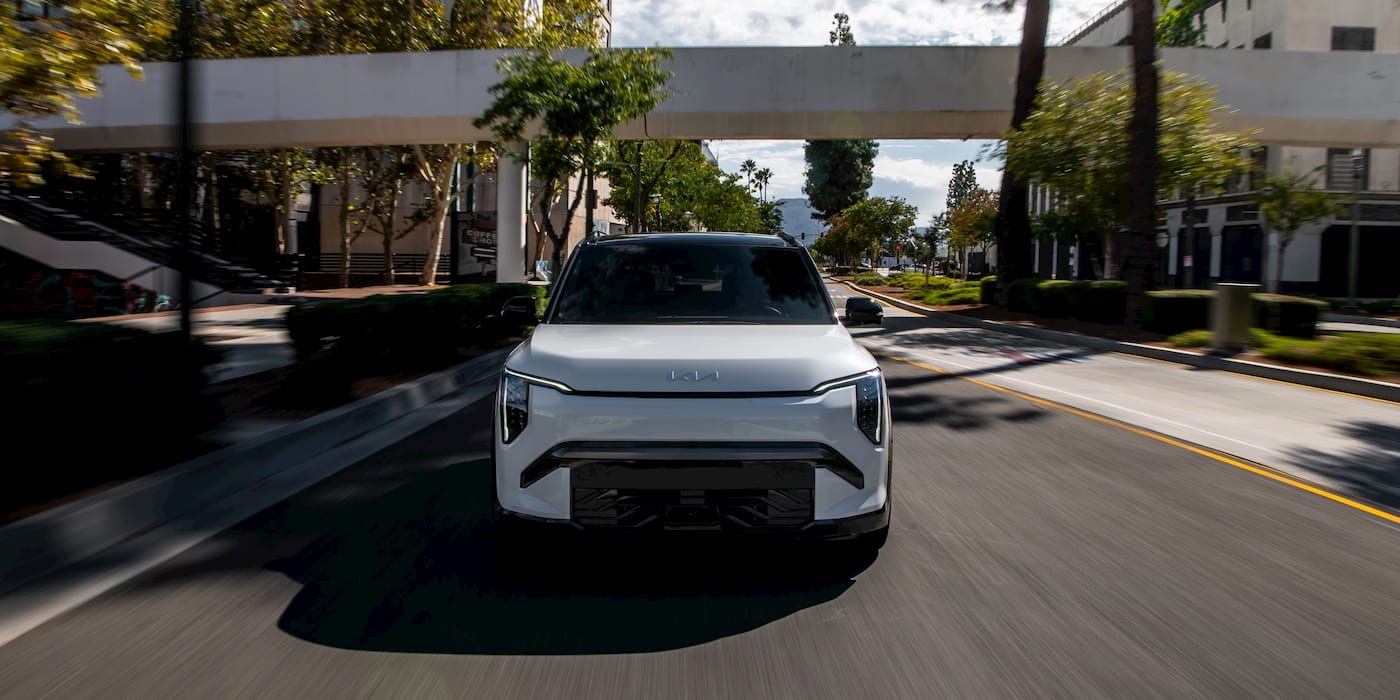
Kia’s new EV3 just became California’s most affordable long-range electric SUV, slashing prices to under $28,000 after state rebates and stacking incentives.
What to know
- California’s MyFirstEV program knocks up to $3,500 off new EVs for first-time buyers, bringing the Kia EV3 Light trim to around $27,885 after incentives.
- The 2027 Kia EV3 boasts up to 321 miles of range, five trims, and native Tesla Supercharger access, undercutting the Chevy Equinox EV by about $3,100.
- With federal tax credits gone, Kia and rivals are dangling dealer cash, low-APR deals, and lease specials to keep EV sales charging ahead.
State Rebates Shift the Market
California’s $271 million MyFirstEV program and strict eligibility rules are reshaping the EV landscape, making EVs like the Kia EV3 accessible to a wider range of first-time buyers while preventing any single brand from dominating incentives.
The California MyFirstEV rebate program, funded through a combined $271 million pool of state and automaker contributions, significantly lowers the barrier to EV ownership by offering up to $3,500 off new vehicles and $1,750 off used ones for first-time buyers. Its eligibility criteria, including a $50,000 price cap on new EVs with exceptions for California-based Lucid and Rivian, alongside instant point-of-sale rebates through participating manufacturers, streamline access and incentivize a broad range of consumers to consider EVs.
Tesla’s rapid exhaustion of its $18 million rebate allocation within just five days underscores both its dominant market presence in California and the intense consumer demand fueled by state incentives amid federal tax credit limitations. Meanwhile, rebates remain available for other brands like Hyundai, Lucid, and Kia, illustrating the program’s role in promoting diverse EV adoption and preventing market monopolization by a single manufacturer.
By effectively reducing the price of models such as the Kia EV3 Light trim to approximately $27,885—making it more affordable than some traditional gas-powered vehicles—the MyFirstEV program exemplifies how state-level rebates complement federal tax credits to enhance EV affordability. This layered incentive structure is crucial in expanding access for first-time buyers and accelerating the transition to electric mobility across California.

Tech-Packed Value at Every Trim
Kia’s EV3 lineup delivers advanced features, Tesla Supercharger access, and up to 321 miles of range—yet misses out on federal tax credits, forcing buyers to weigh tech perks against lost incentives.
Kia strategically positions the 2027 EV3 as an affordable yet technologically advanced electric SUV, starting at an MSRP of $29,890 for the entry-level Light FWD trim. Offering five trims and two battery options—58.3 kWh for 221 miles and 81.4 kWh for up to 321 miles—the EV3 caters to a broad spectrum of budget-conscious buyers seeking both range and value. Despite this competitive pricing and rich tech features, including nearly 30 inches of digital displays and over-the-air updates, the EV3 does not qualify for the federal EV tax credit due to recent policy changes, which may temper its cost advantage against rivals.
The EV3 lineup spans from practical front-wheel-drive models to a high-performance GT variant, which delivers a robust 288 horsepower through a dual-motor all-wheel-drive system, achieving 0–60 mph in 5.4 seconds and priced up to $47,385. This range of trims and drivetrain options allows Kia to appeal to diverse consumer preferences, balancing everyday usability with sporty driving dynamics. Higher trims also incorporate advanced features like Vehicle-to-Load (V2L) capability, enhancing the vehicle’s appeal to tech-savvy buyers seeking multifunctional electric SUVs.
Kia enhances the EV3’s competitive edge by integrating a native Tesla NACS charging port across all U.S. models, granting direct access to Tesla Superchargers and enabling rapid DC fast charging from 10% to 80% in approximately 29 to 31 minutes. Coupled with standard tech-rich amenities such as a 12-inch head-up display, i-Pedal 3.0, and Smart Cruise Control, this charging convenience and technological sophistication position the EV3 as a compelling choice for buyers prioritizing both innovation and practicality in the compact electric SUV segment.

Price War: Kia vs. Chevy
The Kia EV3 undercuts the Chevy Equinox EV by $3,100 while offering similar range, but charging network compatibility and customization options could sway budget-focused buyers.
The 2027 Kia EV3 strategically positions itself as the most affordable long-range electric SUV, starting at $29,890 with an EPA-estimated range exceeding 315 miles, undercutting the 2027 Chevy Equinox EV’s $34,995 price tag and slightly longer 319-mile range by roughly $3,100. While both vehicles offer comparable trim and drivetrain options—with the Equinox EV featuring LT1, LT2, and RS trims alongside FWD and AWD configurations—the Kia EV3’s emphasis on affordability appeals directly to budget-conscious buyers prioritizing cost-effectiveness over extensive customization.
Charging infrastructure compatibility emerges as a pivotal factor differentiating these two affordable EVs, with the Chevy Equinox EV adopting the native North American Charging Standard (NACS) port to seamlessly access Tesla Superchargers without adapters. This move aligns with GM’s broader 2027 strategy to transition all electric vehicles to NACS, enhancing convenience for drivers who value fast, widespread charging networks. In contrast, the Kia EV3’s charging compatibility remains less defined, potentially influencing buyer perceptions where charging ease and network access weigh heavily in the overall value proposition.
Automakers Double Down on Deals
With federal tax credits gone, carmakers are flooding the market with dealer cash and low-APR offers, especially in late summer, to keep EVs moving off lots before new models arrive.
As the federal EV tax credits expired, automakers faced a notable dip in consumer interest, prompting a strategic pivot toward dealer-led incentives to maintain sales momentum. Hyundai, Toyota, Kia, Ford, and Chevrolet have all introduced substantial bonus cash offers on their 2026 electric models—ranging from $1,000 to $10,000—to clear out inventory ahead of the 2027 model year. Stephanie Valdez Streaty of Cox Automotive highlights that manufacturers are compelled to offer competitive pricing as sales settle at lower levels without the previous $7,500 federal subsidies, underscoring how dealer discounts have become essential to sustaining demand during this transitional phase.
August and September have emerged as critical months for consumers seeking EV deals, as automakers intensify incentives to accelerate the shift to new models. Edmunds analysts observe that this period traditionally marks the most decisive transition to incoming model years, with dealers leveraging bonus cash and low-APR financing to entice buyers away from outgoing 2026 vehicles. This seasonal pattern aligns with the broader market dynamics in 2026, where the combination of tax credit expiration and model turnover creates a unique window for substantial savings on electric vehicles.

Financing and Leasing Edge
Kia’s low-APR loans and hefty lease cash, combined with state and national rebates, can push the EV3’s effective price below $30,000—making leasing especially attractive for cost-conscious shoppers.
Kia’s 2027 EV3 launches with a compelling promotional financing offer of 0.9% APR for 48 months, providing an accessible entry point for buyers seeking low monthly payments. However, this advantage diminishes with longer loan terms, where rates climb to 5.99% APR for 84 months, potentially increasing the total cost of ownership. In contrast, competitors like Subaru offer 0% financing for 72 months combined with rebates, which may result in lower overall expenses and greater appeal to budget-conscious consumers.
State rebate programs, notably California’s MyFirstEV, play a pivotal role in enhancing the EV3’s affordability by reducing the effective purchase price of the Light trim to approximately $27,885—making it cheaper than some traditional gas-powered vehicles. When combined with Kia’s $1,500 national rebate, financing or leasing options can bring the EV3’s effective price below $30,000, narrowing the gap with rivals like the Chevy Bolt, which starts at $28,995 without rebates. This strategic layering of incentives significantly broadens accessibility across diverse buyer segments.
Leasing emerges as a particularly attractive pathway for many buyers, offering substantial upfront discounts that can surpass those available through purchase rebates. Kia’s EV3 leases start at $319 per month for 24 months with $3,999 due at signing, and in California, the Land trim qualifies for up to $4,800 in lease cash on 48-month contracts. These leasing incentives lower the barrier to entry and provide flexible options for consumers hesitant to commit to ownership, thereby expanding the EV3’s market reach.
The interplay between Kia’s financing rates and rebate programs creates nuanced cost scenarios: for example, a 72-month loan at 7% APR combined with the $1,500 rebate results in a total cost around $37,440, whereas opting for the 0.9% APR deal without the rebate can save buyers over $1,400. This complexity underscores the importance of buyer education on financing choices, as the optimal path depends heavily on individual financial situations and priorities, ultimately shaping the EV3’s accessibility across different consumer profiles.