Left-backed primary upsets shake democrats
The gist
Democrats are locked in a high-stakes identity battle as progressive and socialist-backed insurgents topple longtime incumbents, threatening party unity and reshaping the 2026 primary landscape.
What to know
- By mid-2026, left-leaning challengers like Zohran Mamdani and Charles Booker have ousted establishment Democrats in primaries, riding a surge of grassroots energy focused on working-class issues.
- Party centrists, including Kamala Harris and Hillary Clinton, are doubling down on pragmatism and coalition-building, warning that radical rhetoric and DSA-backed candidates risk alienating moderates and donors.
- With at least six House Democrats facing likely primary defeats—the biggest post-redistricting loss in decades—analysts warn that deepening factional infighting could hand Republicans a crucial edge in November.
Grassroots Left Redefines Power
Progressive and socialist insurgents, fueled by younger and disillusioned voters, are challenging not just establishment Democrats but the very foundation of the party’s ideological identity.
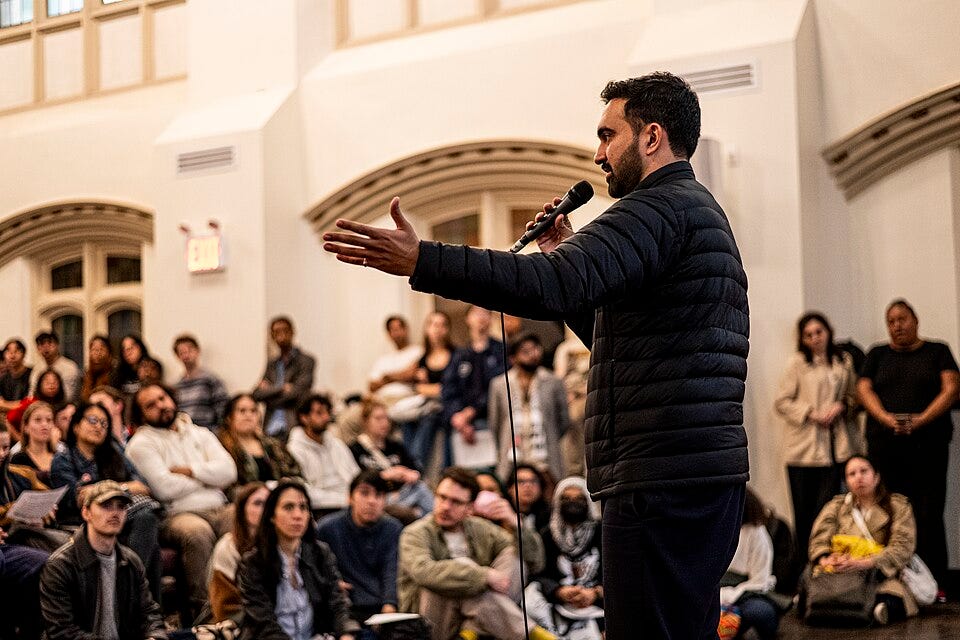
By mid-2026, a wave of progressive and Democratic Socialist-backed candidates, exemplified by New York Mayor Zohran Mamdani’s strategic endorsements, has successfully unseated incumbent Democrats in primaries, signaling a grassroots-driven shift focused on working-class issues and ideological authenticity. This movement resonates strongly with younger and disillusioned voters who prioritize fighters willing to confront injustice, corruption, and economic inequality over traditional party labels, as seen in the victories of candidates like Charles Booker in Kentucky and Darializa Avila Chevalier’s radical stances on policing and economic policy. While centrist Democrats and strategists like James Carville express concern about potential schisms, supporters argue these fears are exaggerated and emphasize that voters seek genuine change rather than mere reform.
The Democratic Socialists of America (DSA) have emerged as a potent force within the party, particularly in urban centers like New York City, where their influence is buoyed by younger, college-educated, and higher-income voters open to socialist ideas. However, this faction’s radical ambitions—including abolishing institutions like the Senate and ICE—and confrontational rhetoric have sparked internal debates about authentic representation, with critics like Gavin Baker highlighting tensions between the DSA’s base and working-class communities of color. Despite this, the DSA explicitly rejects Scandinavian-style social democracy, aiming instead to 'overcome capitalism' rather than reform it, underscoring a profound ideological divide within the Democratic coalition.
Progressive and socialist candidates emphasize ideological authenticity and accountability, demanding that politicians transparently explain their evolving views rather than offering mere apologies, reflecting a broader critique of uneven scrutiny within the party. This insistence on genuine political evolution is intertwined with a commitment to representing working-class struggles and challenging the entrenched elite political class, as activists contrast the lived realities of Rust Belt workers with the privileged trajectories of career politicians. Yet, the practical demands of governance pose a moderating influence on this faction, as seen in Mamdani’s tenure and the Biden administration’s centrist approach, raising concerns that the DSA might dilute its radical agenda over time into a more conventional social democratic posture.
Despite the progressive faction’s momentum, there is an ongoing internal conversation about communication strategies, recognizing that imprecise or extreme rhetoric can provide opponents with easy ammunition, a concern voiced by some within the movement who caution against alienating broader electorates. Nonetheless, supporters argue that labeling the party’s shift as a 'socialist takeover' is misleading and plays into Republican narratives, emphasizing instead that these candidates prioritize economic populism, healthcare, and working-class issues in deeply blue districts where the DSA has organized extensively. This nuanced dynamic highlights the faction’s challenge: balancing ideological purity and fighter authenticity with the pragmatic need to build inclusive, multiracial coalitions capable of winning elections.






Centrists Fight for Relevance
Establishment Democrats are doubling down on pragmatic coalition-building and rhetorical moderation, even as their fears of a progressive takeover increasingly clash with electoral realities.
By mid-2026, establishment centrists within the Democratic Party, often dubbed 'abundance libs,' have doubled down on pragmatic governance and electoral realism, wary of progressive policies they associate with governance failures in states like California. They prioritize coalition-building and broad appeal, favoring candidates such as Kamala Harris and Hillary Clinton who embody a 'triangulating spirit'—selecting the 'least unacceptable' nominee to win elections in competitive purple and red states, reflecting a strategic focus on functionality over ideological purity.
Centrists actively seek to maintain party unity by rejecting socialism rhetorically to appease billionaire donors and blunt Republican attacks, even as this stance draws criticism for being out of touch and politically counterproductive. Despite paranoia about progressive socialist victories threatening moderate Democrats in swing districts, evidence from recent elections—like progressive wins in New York alongside moderate gubernatorial successes in Virginia and New Jersey—undermines this fear, highlighting a disconnect between centrist anxieties and electoral realities.
Facing the looming threat of MAGA extremism, establishment centrists emphasize unity and disciplined messaging as essential to countering Republican attacks and preserving Democratic electoral strength. Leaders like Sen. Chris Murphy and Congressman Tom Suazy stress the importance of avoiding internal party distractions, advocating for a coalition that, while rejecting socialism, remains open to collaboration with progressives to present a united front ahead of critical midterm elections.
The Biden presidency exemplifies the centrist approach of pragmatic coalition-building, governing in alignment with some progressive ideas without embracing socialism outright. This governance experience acts as a moderating force on more radical agendas, with centrists viewing electoral competition as a tempering influence that gradually shifts socialist factions toward more moderate, social-democratic positions focused on practical power and redistribution rather than ideological purity.




Messaging Wars Fuel Division
Republican attacks and media narratives portraying progressives as extremists have deepened Democratic infighting, complicating efforts to present a unified front and confusing voters about the party’s true direction.
Media narratives and GOP attacks have escalated internal Democratic conflicts by portraying progressive victories as divisive and extreme, which party leaders like Rep. Gregory Meeks fear could detract from unified efforts against Republicans and Donald Trump. The GOP exploits public confusion by demonizing Democratic socialists, focusing on controversial stances such as Avila Chevalier’s prison abolitionism and incendiary social media history, thereby complicating the party’s messaging and fueling voter apprehension. Despite this, many Democratic voters prioritize candidates who confront injustice and corruption over ideological labels, challenging the effectiveness of GOP framing and underscoring a strategic communication dilemma within the party.
The conflation of socialism with communism in media and GOP discourse intensifies public confusion and polarization, complicating the Democratic Party’s efforts to present a coherent identity. Analysts like David Sachs highlight the rising influence of the DSA and its radical ambitions, which are seized upon by opponents to paint progressives as extremists, while internal debates wrestle with balancing ideological authenticity against broader electoral pragmatism. This tension is exemplified by candidates like Avila Chevalier, whose uncompromising stances and refusal to clarify positions on criminal justice issues underscore the communication challenges faced by the party in appealing to a general electorate.
Factions within the Democratic Party diverge sharply in their media and messaging strategies, with the 'resistance lib' wing adopting a combative, unapologetic approach reminiscent of the Trump playbook, while establishment figures emphasize pragmatic governance and fundraising from cautious donors. This internal discord is exacerbated by centrist Democrats’ exaggerated fears of socialist candidates, which not only fuel unnecessary intra-party conflict but also hand Republicans misleading ammunition to paint the entire party as radical. Meanwhile, prominent voices like Sen. Chris Murphy remind that the real external threat remains former President Trump’s efforts to undermine American democracy, shifting the focus from internal squabbles to broader political stakes.
The narrative of a 'socialist takeover' within the Democratic Party is largely overblown and serves Republican interests by misrepresenting the actual political landscape, where recent primary winners share a common focus on working-class priorities rather than strict ideological labels. Media coverage often applies a double standard, demonizing left-wing economic populism while sympathetically analyzing similar anxieties fueling right-wing rhetoric, thereby deepening polarization and complicating strategic messaging. Internal critiques emphasize the need for precise communication to avoid providing opponents with easy ammunition, highlighting the ongoing challenge of balancing bold progressive governance with electoral viability amid intensifying GOP attacks.
Factional Feuds Undermine Unity
Primary battles in safe blue districts and ideological splits on issues like Israel are draining resources and fracturing the Democratic base, threatening the party’s ability to compete in critical general elections.
By mid-2026, the Democratic Party is grappling with deep internal fractures as left-wing activists increasingly outpace establishment figures like Hakeem Jeffries, with commentators like Jillian Michaels warning that avoiding confrontation only emboldens radical factions. This factionalism is most visible in primary battles within safe blue districts, where resources and volunteer efforts are diverted from competitive general elections against Republicans, exemplified by the contentious race to replace Adriano Espaillat with Darializa Avila Chevalier. Such prioritization risks undermining the party's ability to present a unified front and effectively challenge GOP incumbents in key suburban battlegrounds.
The internal divisions transcend the traditional moderate-progressive split, encompassing progressive Democrats who oppose Democratic Socialists of America (D.S.A.) candidates on issues like Israel, highlighting ideological fragmentation within the left itself. This complexity is compounded by the rise of socialist-backed candidates espousing radical rhetoric on capitalism and policing, which alienates moderate voters and complicates cohesive electoral messaging. As Harry Entin notes, Democratic approval of their own members has fallen below 50%, signaling a 'Tea Party on steroids' moment that threatens party unity and electoral prospects.
Low-turnout, activist-driven primaries are increasingly rewarding the most vocal factions rather than candidates with broad appeal, as seen in the potential loss of six House Democrats in 2026 primaries—the largest post-redistricting wave in over 50 years. This dynamic exacerbates the party's internal civil war, as highlighted by The Rubin Report and CNN, where approval among Democratic voters is sliding amid widening gaps between leadership and the base. Cultural and foreign policy controversies, such as debates over immigration enforcement and Ro Khanna's Israel trip, further fracture the party and distract from a unified electoral strategy.
Adding to the challenge, young voters—especially young men of color—are shifting their party ties due to economic strain and a sense of alienation within the Democratic Party, leading to fragmented, low-turnout contests that reflect broader factional conflicts. Analysts emphasize the ideological heterodoxy of American voters, with successful candidates like James Talarico blending traditional liberal values with non-traditional positions to resonate with diverse electorates. This evolving landscape demands flexible messaging and policy adaptation to maintain Democratic unity and electoral viability, underscored by the urgent need to reconcile progressive insurgents and establishment centrists ahead of the 2024 midterms, as seen in Michigan's Senate race and the fallout from setbacks like Graham Platner's withdrawal.

Radicalization Risks Party Collapse
Unchecked left-wing activism and escalating rhetoric are not only alienating moderates but also fueling violence and threatening to splinter the Democratic Party’s core coalition.
By mid-2026, voices like Jillian Michaels and various analysts warned that the Democratic Party’s left-wing activists and radical factions were outpacing establishment leaders such as Hakeem Jeffries, leading to fractures within the party. Michaels cautioned that avoiding confrontation only empowers these radicals, while calls for balanced accountability emphasized that both powerless activists and those in office must be held to the same standards to prevent unchecked extremism from taking root.
Analyses from July 2026 underscored the dangers of radicalization alienating moderates and the broader electorate, with CNN’s Harry Entin describing the moment as a 'Tea Party on steroids' that threatens incumbents more severely than past Republican insurgencies. The loudest activists in low-turnout primaries push extreme positions that do not reflect the broader middle of the country, risking significant electoral damage as evidenced by the potential for six House Democrats to lose primaries in 2026—the largest post-redistricting loss in over 50 years.
Moderate voices like Van Jones explicitly criticized extremist elements within the party, particularly Democratic Socialists of America candidates who refused to denounce Hamas, signaling a collapse of the party’s center under fringe pressure. Jones warned that this hijacking of the youth movement diverts focus from core issues such as affordability, healthcare, and opportunity, while the escalation from radical rhetoric to violent acts—such as the armed attack on a New York government building linked to years of demonizing institutions like ICE—highlights the urgent need for moderation and accountability to prevent further violence.
Underlying these concerns is a broader call for restoring human decency and reducing contempt in politics, as reflected in a poignant reminder of bipartisan respect when Lindsey Graham once praised Joe Biden as 'as good a man as God ever created.' Critics argue that the party must move beyond evasive rhetoric—such as ambiguous stances on defunding the police or immigration—and address skepticism about its commitment to transparency and accountability, especially regarding election rules and public spending, to rebuild trust and unity.