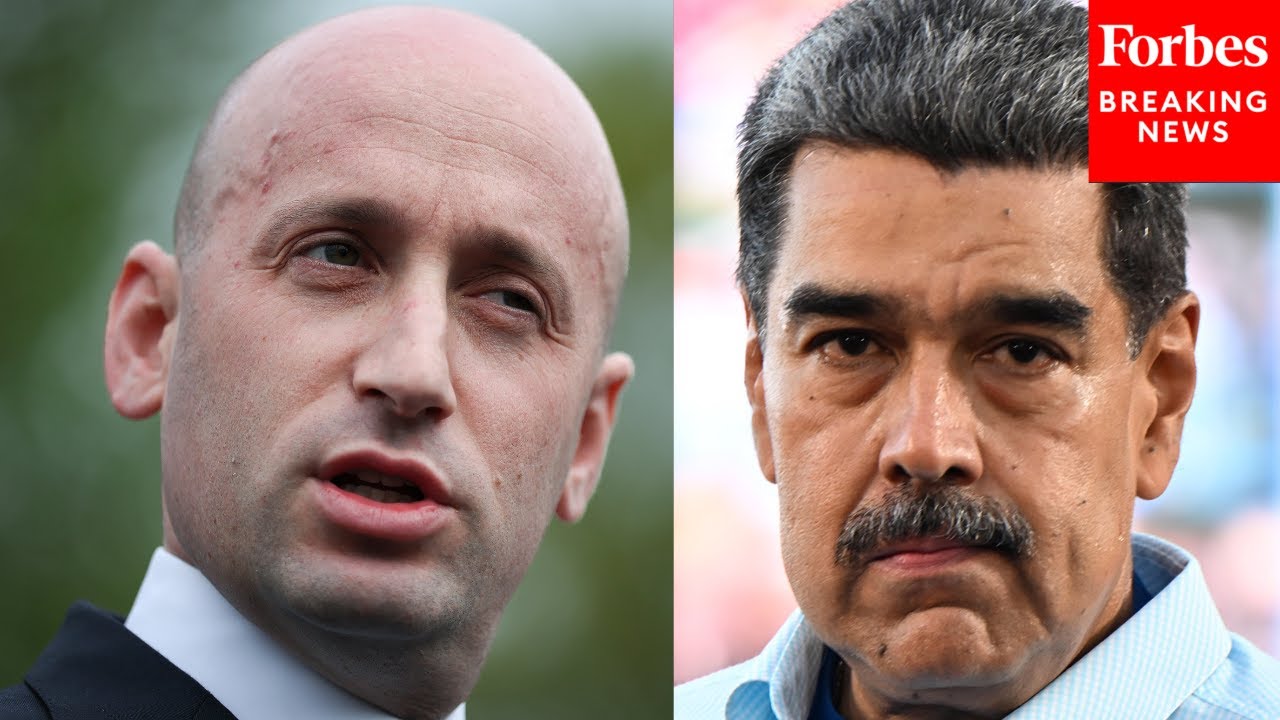
Maduro raid fallout: US power play shakes global order, rattles China, and leaves venezuela in limbo
The gist
A bold US raid ousted Nicolás Maduro in the dead of night, upending international law, rattling China, and throwing Venezuela’s future into chaos.
What to know
- US special forces captured Maduro in Caracas without Congressional approval, breaking international norms and sparking fears of unchecked presidential war powers.
- China, stunned by the operation that jeopardizes $60 billion in investments and 80% of Venezuela’s oil exports, faces a major strategic setback and is recalibrating its global playbook.
- Venezuela’s transition remains murky, with interim leaders tied to the old regime, Cuban intelligence still lurking, and little hope for immediate democracy or stability.
Presidential Power Unleashed
The Maduro raid signals a seismic shift as the U.S. presidency claims unchecked authority for military action, undermining global legal norms and emboldening rival powers to rewrite the rules.
The US operation to capture Nicolás Maduro marks a dramatic break from established international legal norms, bypassing Congressional approval and violating Article 2(4) of the UN Charter. Critics warn this 'capital W act of war' erodes global order and sets a dangerous precedent for unilateral executive action.
A controversial expansion of presidential war powers is underway, with some legal scholars arguing the President now holds near-monarchical authority to initiate military actions—sidestepping traditional checks and balances and rendering debates over the War Powers Act 'quaint.'
By disregarding sovereignty and international law, the US risks emboldening other powers—such as China—to justify aggressive territorial claims, while smaller states like Indonesia fear weakened protections and muted regional responses due to economic dependencies.




Superpower Chessboard Shifts
America’s bold move in Caracas has upended China’s Latin American ambitions, forcing Beijing into strategic retreat and prompting a worldwide scramble to redraw alliances in the face of U.S. assertiveness.
The US-led capture of Maduro was a direct blow to China's strategic interests in Venezuela, where Beijing had invested over $60 billion and secured 80% of oil exports by late 2025. The timing—just hours after a high-level Chinese delegation met Maduro—was seen as a dramatic US challenge to Chinese influence in Latin America, forcing Beijing into a cautious, recalibrated response. ('Deep shock,' said China's Foreign Ministry, while Chinese analysts advised businesses to tread carefully and structure investments through multilateral bodies.)
The operation has intensified the US-China rivalry and signaled a shift toward regional spheres of influence, with the US asserting primacy in the Western Hemisphere and sidelining China and Russia. This bold move has triggered strategic recalculations globally—Europe warned about NATO's future, Brazil backed Guyana, and China is expected to play the long game, focusing on areas like Taiwan and semiconductors rather than immediate retaliation.
Despite the seismic geopolitical shock, global oil markets barely flinched, underscoring that the US action was more about signaling dominance than seizing resources. The US now directly supervises Venezuela’s government and security forces, reshaping regional alliances and diminishing Venezuela’s aggressive postures, such as its claims on Guyana.



Democracy Deferred, Risks Remain
With regime loyalists still in charge and foreign intelligence entrenched, Venezuela’s post-Maduro era teeters between fragile hope and the persistent shadow of autocracy.
Maduro's capture has not assured a democratic transition, as figures like interim president Deli Rodriguez—once part of Maduro's inner circle—raise doubts about genuine reform and regime change. As Shannon O'Neil notes, 'Maduro’s capture does not guarantee democracy.'
Despite a precise US-led operation, Venezuela's post-Maduro future is clouded by a lack of clear governance plans, skepticism over stability, and the continued presence of Cuban intelligence, complicating both legitimacy and nation-building efforts.
The legacy of Maduro's regime—marked by looted resources, a devastated oil industry, and foreign interference—poses steep hurdles for rebuilding institutions and achieving true rule of law, even as tentative liberalization, like prisoner releases, offers faint hope.