Mail early, pay on time: tax pros warn against last-minute USPS gamble and AI advice
The gist
USPS delays mean paper tax filers must act by April 9—or risk late penalties, interest, and IRS headaches no AI chatbot can fix.
What to know
- Recent USPS changes push the real paper filing deadline to April 9 to guarantee an on-time IRS postmark.
- Tax extensions move your paperwork, not your payment—taxes are still due April 15, or expect steep penalties and daily interest.
- Tax pros warn: Skip last-minute AI advice, track expenses year-round, and make a good-faith payment to dodge avoidable fines.
USPS Delays Shift Tax Timelines
New USPS mail slowdowns mean last-minute paper filers risk late postmarks, forcing taxpayers to send returns a week early or face automatic IRS penalties.
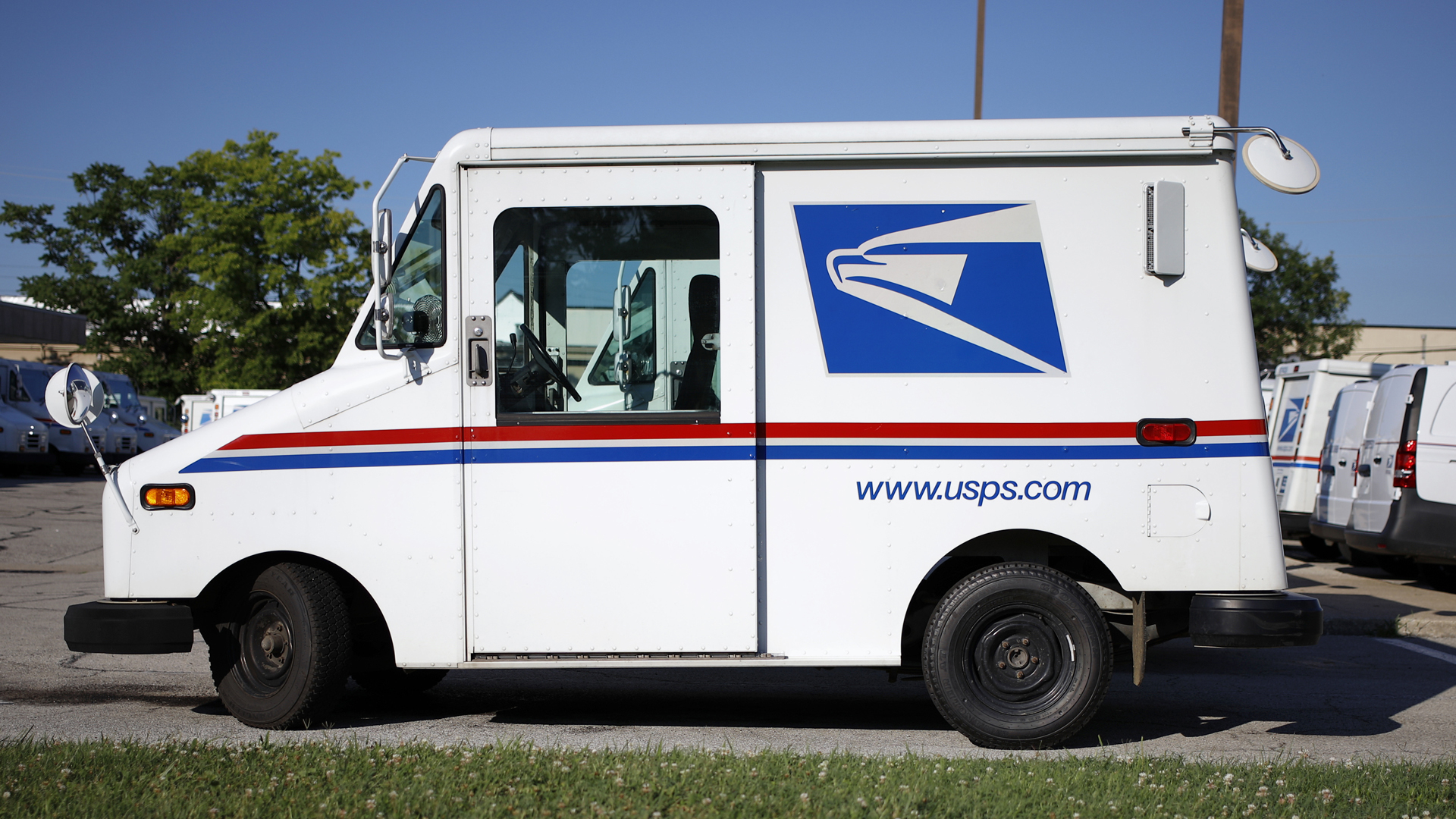
By early 2026, recent USPS operational changes have significantly altered mail processing times, prompting experts to warn that paper-filed tax returns mailed close to the April 15 deadline risk missing timely postmarks. To mitigate this, tax professionals strongly advise taxpayers to mail their returns at least a week early—by April 9—to ensure the IRS receives them on time and avoid costly penalties.
While filing extensions provide taxpayers additional time to submit their tax returns, tax professionals emphasize that these extensions do not apply to tax payments, which remain due by April 15. This critical distinction means that even if the return filing is postponed, taxpayers must still remit payments promptly to avoid interest and penalties, underscoring the importance of understanding the separate deadlines amid the new USPS mailing challenges.
Extensions Don't Delay Payments
Even with a filing extension, unpaid taxes rack up steep penalties and daily interest from April 15, making partial payments and accurate estimates critical for financial protection.
Filing a tax extension only postpones the deadline for submitting the tax return, not the payment of taxes owed, which must still be made by April 15 to avoid penalties. As Carl Breedlove of H&R Block emphasizes, "Taxes are still owed by April 15," underscoring the IRS's clear stance that an extension to file is not an extension to pay. Failure to meet this payment deadline triggers penalties that accumulate quickly, including a failure-to-file penalty of up to 25% of the tax owed and a failure-to-pay penalty of 0.5% per month, with interest compounding daily at rates around 7% in early 2024.
Taxpayers can secure an automatic six-month extension by submitting Form 4868 before April 15, but recent USPS mailing delays complicate timely postmarking, prompting experts to recommend electronic filing or hand-stamped mail to ensure the extension request is accepted. Despite this filing grace period extending the return deadline to October 15, penalties for unpaid taxes continue to accrue from the original April 15 deadline, making timely payment or at least a good-faith estimate crucial to minimize financial consequences.
For those unable to pay their full tax bill by April 15, tax professionals like CPA Darlene Lotz advise paying as much as possible and applying for an IRS payment plan to mitigate penalties and interest. Lotz highlights that consistent expense tracking throughout the year enables more accurate tax payment estimates, which can help taxpayers avoid unexpected balances and the costly failure-to-pay penalties that quickly accumulate despite an extension.



AI Tax Advice: Proceed With Caution
Generic AI tools often misfire on tax law, and experts warn that only tailored, year-round planning and real CPA guidance can keep costly filing errors and penalties at bay.
Tax experts strongly advise against relying on general AI platforms like ChatGPT or Google Gemini for last-minute tax filing, as these tools lack specialized tax training and may provide inaccurate guidance. Former IRS Commissioner Danny Werfel cautions, “Beware the generic solutions,” emphasizing that such AI is not engineered for complex, evolving tax laws. Enrolled agent Tom O’Saben adds that effective AI use requires precise, informed prompts, a skill most taxpayers do not possess, increasing the risk of errors during critical filing periods.
Filing a tax extension only postpones the deadline for submitting tax returns, not the payment due date, which remains firmly set on April 15. CPA Darlene Lotz and other tax professionals stress that taxpayers must pay any owed taxes by this date to avoid penalties, even if they file for an automatic six-month extension. This distinction is crucial, as many taxpayers mistakenly believe extensions grant more time to pay, potentially exposing them to unnecessary interest and fines.
Strategic tax planning hinges on consistent expense tracking throughout the year, enabling taxpayers to make accurate estimated payments by the April 15 deadline and thus avoid penalties. CPA Darlene Lotz highlights that submitting a good-faith payment estimate with an extension request can significantly mitigate financial consequences like interest and fines, even if final documentation is incomplete. She further recommends consulting a CPA to refine these estimates using real-time financial data, reducing stress and minimizing costly errors during tax season.