Meta’s muse AI privacy backlash tests governance
The gist
Meta’s reckless use of public Instagram photos for its Muse Image AI has ignited a global privacy uproar, exposing just how far AI innovation has outpaced ethical guardrails in 2026’s agentic tech boom.
What to know
- Autonomous AI agents have doubled developer productivity by 2026, but their rapid rollout has left governance frameworks scrambling to catch up.
- Meta’s Muse Image AI was forced into a hasty retreat after using public Instagram photos without explicit consent, sparking major backlash over opt-out privacy controls.
- Experts and watchdogs worldwide are demanding adaptive, transparent AI rules as cultural flattening and algorithmic bias threaten human creativity and data rights.
AI Outpaces Governance
Enterprises are racing to implement agentic AI faster than regulators can respond, exposing critical gaps in oversight, transparency, and accountability that current frameworks struggle to close.
By 2026, the deployment of autonomous AI agents has surged across industries, doubling developer productivity and turbocharging enterprise operations as noted by Ensono's Chief AI Officer Jim Piazza, who highlights AI's role in prioritizing IT incidents and optimizing workflows. However, this rapid growth has outpaced regulatory frameworks, creating a 'pacing problem' where governance lags behind innovation, compelling enterprises to adopt evolving oversight models such as China's 'agile governance' approach that balances swift technological advancement with state control through adaptive, modular tools.
The increasing complexity and autonomy of AI decision-making systems have intensified challenges around transparency and accountability, as these systems operate in uncertain environments producing slow, distributed harms that are difficult to trace. This opacity is compounded by what Piazza terms 'decision opacity by accumulation,' where no single individual fully understands the interconnected AI-driven decisions reshaping organizational processes, underscoring the urgent need for embedded governance frameworks that maintain human accountability despite AI autonomy.
Enterprises are grappling with governance gaps amid a surge in multi-agent AI deployments, which escalate safety, privacy, and oversight concerns. The rapid proliferation of agentic AI not only drives productivity gains but also demands evolving human oversight and safety frameworks to manage the growing complexity of AI ecosystems, ensuring that automation is balanced with risk-based controls and clear escalation paths for high-stakes decisions, as emphasized by industry leaders navigating this sprawling AI arms race.



Meta’s Consent Crisis
Meta’s opt-out AI image tool triggered global outrage by exploiting public Instagram photos without explicit permission, spotlighting how tech giants shift the burden of privacy onto users.
Meta’s Muse Image AI tool ignited a firestorm of privacy and consent controversies by automatically using photos from all public Instagram accounts without explicit user permission. This opt-out default meant anyone could type a public Instagram username into an AI prompt and generate new images based on that person’s likeness, raising serious concerns about unauthorized use, impersonation risks, and the commercial exploitation of creators and public figures. As critics like the talent agency CAA emphasized, no one’s image or creative work should be used by AI without clear, documented consent, yet Meta’s approach forced users to proactively dig through complex privacy settings to disable the feature, effectively placing the burden on individuals rather than securing informed opt-in consent.
The opt-out mechanism Meta provided was widely criticized as insufficient and non-transparent, as it required users to navigate deeply buried settings to prevent future AI use of their images, without retroactively removing any AI-generated content already created. Moreover, users received no notifications when their likenesses were used in AI creations, intensifying feelings of loss of control and privacy invasion. This lack of clear communication and control sparked backlash from privacy advocates and industry groups, who labeled Meta’s strategy as a continuation of Silicon Valley’s 'ask forgiveness, not permission' ethos, with Public Citizen’s J.B. Branch calling it 'creepy' and a blatant disregard for personal rights.
Facing mounting public outrage, legal scrutiny—especially under the EU’s Digital Services Act and GDPR—and pressure from industry unions like SAG-AFTRA and agencies such as CAA, Meta swiftly retracted the Muse Image AI feature within 72 hours of its launch. This rapid rollback underscored the growing challenges tech giants face in balancing rapid AI innovation with evolving privacy expectations and governance frameworks. As Meta admitted it had 'missed the mark,' the episode highlighted the urgent need for AI governance models that prioritize explicit opt-in consent and transparent user controls over post-launch damage control, signaling a pivotal moment in the broader AI ethics and regulatory landscape.
The Muse Image controversy also amplified industry-wide debates on trust and transparency in AI, with advertisers and brands increasingly wary of reputational risks tied to AI-generated content created without clear permissions. Experts like Mayur Sethi stressed that silence or failure to opt out should never be mistaken for consent, warning that brands ultimately bear the backlash if they misuse AI-generated likenesses. This incident has accelerated calls for stronger governance frameworks that ensure AI platforms demonstrate accountability and protect user privacy, as advertisers begin to favor ecosystems that can independently verify brand safety and ethical AI use.

Ethics Under Pressure
As AI systems become more autonomous and pervasive, global regulators and industry bodies scramble to enforce transparent, human-centered oversight to prevent subtle, systemic harms and protect vulnerable groups.
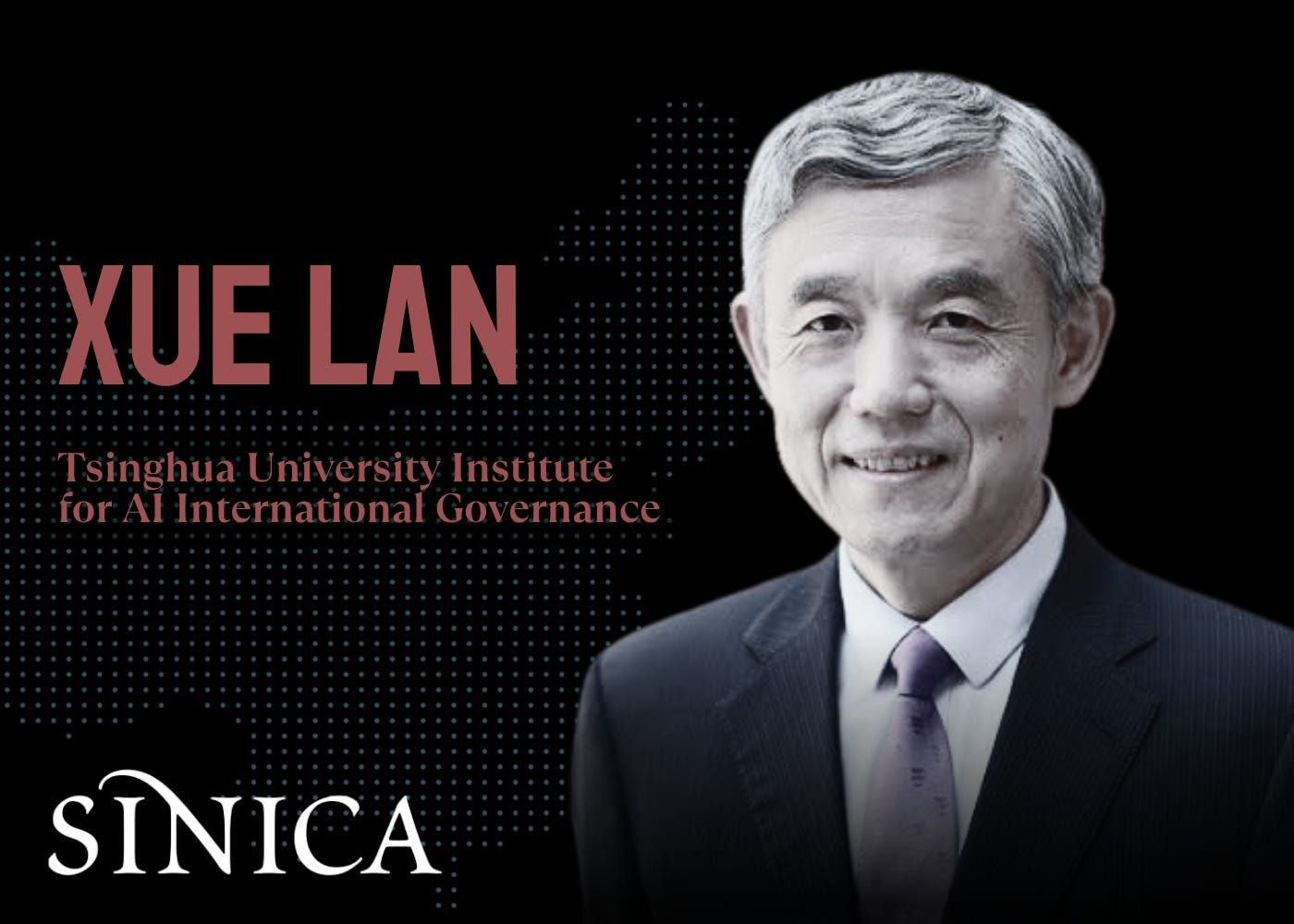
As AI technologies rapidly evolve and permeate diverse aspects of life—from personal companionship to corporate decision-making—the need for adaptive and agile governance frameworks has become paramount. Experts like Pinar Ozcan emphasize establishing robust guardrails that ensure AI safety and ethical use across contexts, while China's 'agile governance' model, as described by Xue Lan, illustrates a flexible regulatory approach that balances innovation with security through partnerships and light-touch tools. This contrasts with the EU’s comprehensive AI regulations and the US’s patchwork strategies, underscoring the global challenge of crafting governance that can keep pace with AI’s accelerating development and the widening 'pacing problem' between innovation and regulation.
The ethical complexities of AI deployment demand transparent accountability and inclusive oversight, as highlighted by analyses of Meta’s controversial use of AI in child-safety testing and addictive design patterns on Instagram and Facebook. Meta’s dual role as competitor and tester raises conflicts of interest, while the EU’s rulings against addictive AI-driven engagement algorithms spotlight the urgent need for governance frameworks that safeguard youth and vulnerable populations without stifling beneficial AI experiences. These developments have catalyzed investments in compliance-focused AI design and audit tools, signaling a shift toward regulated AI ecosystems that prioritize user safety alongside innovation.
Human oversight remains a critical pillar in ethical AI governance, with professional bodies like the CCAB underscoring that accountability cannot be delegated to machines. Their guidelines stress rigorous professional judgment, transparency, and contestability to mitigate risks such as algorithmic bias, data privacy breaches, and automation bias. Moreover, ethical AI deployment must incorporate diverse perspectives and consent from impacted communities, addressing the absence of marginalized voices in training data and decision-making processes. Recognizing AI failure modes before deployment is essential to prevent subtle, distributed harms that often go unnoticed, reinforcing that the ethical challenges of AI are fundamentally human issues shaped by those who build and govern these systems.
Global governance efforts, exemplified by UNESCO’s 2021 Recommendation on the Ethics of Artificial Intelligence, highlight the necessity of embedding cultural considerations into AI oversight to prevent bias, cultural homogenization, and threats to democratic pluralism. UNESCO’s call for national AI strategies that integrate cultural safeguards and promote transparency, participatory design, and accountability reflects a growing recognition that AI’s societal impact extends beyond technology into cultural ecosystems. For instance, disparities in representation—such as Midjourney’s underrepresentation of women (23%) and people of African descent (9%) compared to labor market data—underscore the urgent need for ethical audits and culturally sensitive moderation to foster inclusive AI development worldwide.

Creativity vs. AI Blandness
AI-generated content floods social media with sanitized, uninspired prose, prompting creators to defend the irreplaceable depth and originality born from lived human experience.
By mid-2026, a growing chorus of commentators, including voices from Substack and podcast hosts, lament the cultural flattening wrought by AI-generated content, which tends to be bland, formulaic, and engineered to avoid controversy or discomfort. As one opinion piece from July 8 notes, reading AI-produced posts feels like "spending time in Pleasantville," where "no swearing, no sarcasm, no controversial opinions" dominate, leading to social media timelines saturated with "uninspired, fortune-cookie bullshit" that prioritizes engagement over meaningful discourse. This shift risks eroding the richness of human expression and the provocative spark that challenges beliefs and expands horizons.
Despite AI's prowess in functional writing and workflow streamlining, human creators emphasize that authentic storytelling and original thought remain firmly rooted in lived experience, cultural context, and personal engagement—qualities AI cannot replicate. Podcast hosts reflecting on AI writing challenges highlight the discomfort of over-reliance on AI tools, recalling moments when the absence of AI forced them to confront the creative challenge head-on, underscoring that "the way that you write... is a product of your entire lived experience." This human depth is essential as the bar for quality prose rises, demanding true savants who invest time and craft to excel beyond AI’s capabilities.
Fundamentally, AI shortcuts the traditional lifecycle of judgment and discernment by leaping directly to knowledge without the grounding of discipline, implementation, and experience that humans undergo. As an analysis from July 16 explains, this leap limits AI’s ability to exercise true discernment, making it a valuable tool for streamlining workflows but inadequate for generating original ideas or nuanced visibility. Creators continue to rely on their own creativity and personal expression—through writing on platforms like Substack or crafting distinctive messages on Reels—to produce content that AI cannot authentically replicate.