Michigan dems split widens as progressives defy big money
The gist
Michigan’s Democratic Senate primary is exploding into an all-out brawl between grassroots progressives and establishment big-money, with the party’s future hanging in the balance.
What to know
- Abdul El-Sayed is rejecting corporate and AIPAC-linked super PAC cash, betting on small donors and UAW endorsement to power his progressive, Medicare for All campaign.
- Haley Stevens is backed by over $30 million in outside spending—mostly from AIPAC-linked PACs—and high-profile Democrats, but faces skepticism about authenticity and real voter enthusiasm.
- The clash has turned Michigan into a battleground for the national Democratic identity crisis, with escalating party infighting and big money raising stakes for unity in 2024 and beyond.
Grassroots vs. Establishment
Abdul El-Sayed’s campaign turns Michigan’s primary into a referendum on authentic progressive politics, challenging big-money influence and igniting fierce debates over identity, trust, and the future of Democratic representation.
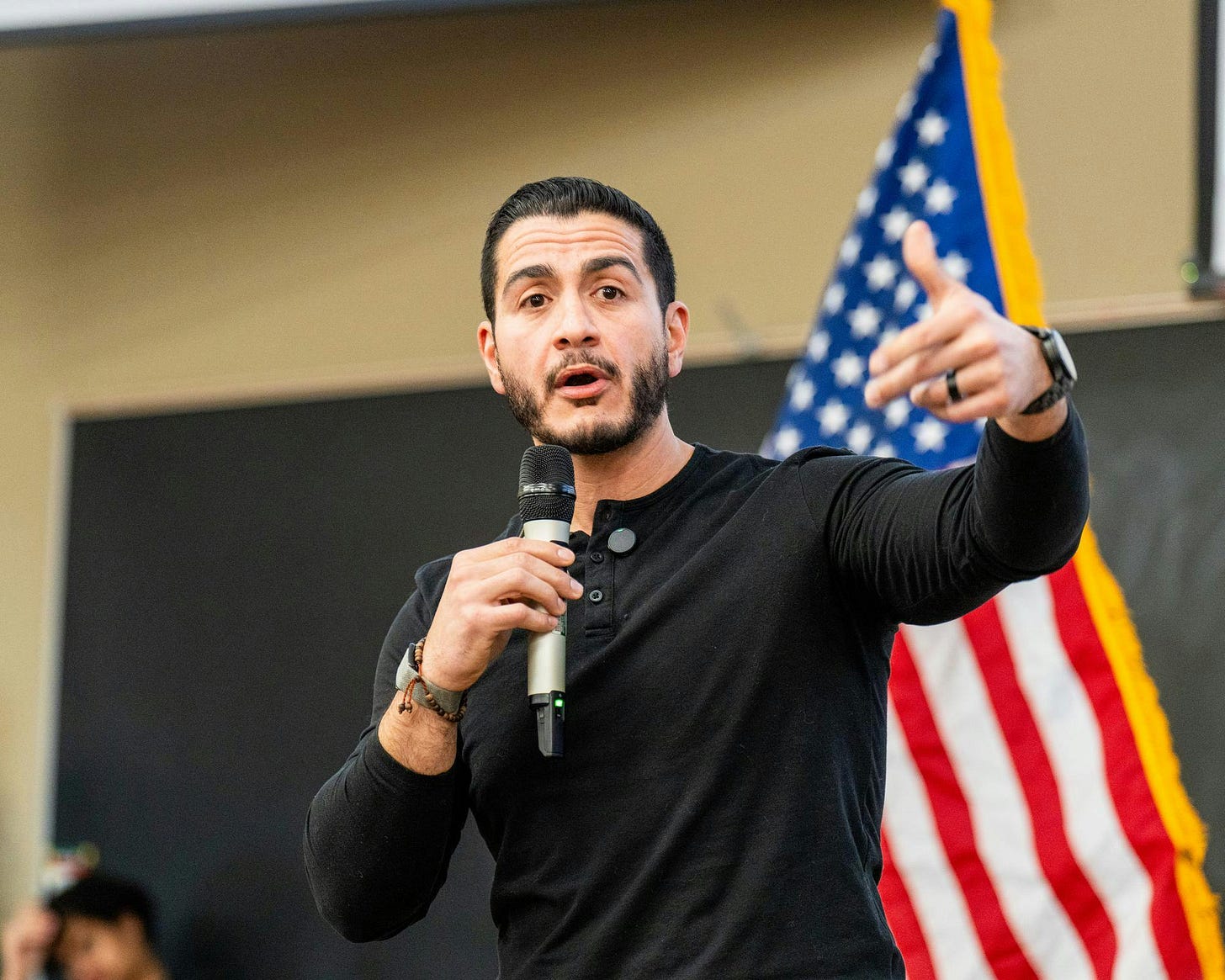
Abdul El-Sayed’s campaign distinctly positions itself as the progressive insurgent alternative to Haley Stevens’ establishment-backed bid, emphasizing a platform centered on Medicare for All, corporate accountability, and campaign finance reform. Rejecting corporate and AIPAC money—highlighted by the $30 million in AIPAC-linked spending supporting Stevens—El-Sayed leans heavily on grassroots energy, including key endorsements like the UAW, and a strong base of Michigan-based small donors and social media supporters. This approach underscores his critique of Stevens’ reliance on outside dark money and institutional muscle, which he argues undermines authentic representation and voter trust.
While El-Sayed’s progressive stances, such as his unwavering support for defunding the police, raise legitimate concerns about his electability in a politically competitive state like Michigan, his authenticity and consistency resonate deeply with voters disillusioned by traditional party politics. Commentators note that his willingness to stand by challenging positions signals a trustworthiness that appeals to a grassroots coalition of 'people who are sick and tired of being sick and tired,' even if these views pose risks in a general election. His adept political communication and strong social media presence further bolster his ability to navigate these complexities.
El-Sayed’s campaign not only challenges Stevens on policy and funding grounds but also confronts the broader ideological factionalism within the Democratic Party, exposing tensions over electability, authenticity, and identity politics. The Stevens campaign’s negative tactics—portraying El-Sayed as antisemitic, misogynistic, and anti-Black—have been widely criticized by his supporters as divisive and bigoted, reflecting the fraught dynamics of this high-stakes primary. El-Sayed’s cultural and religious identity has sparked both backlash and solidarity within Michigan’s diverse communities, making his candidacy a litmus test for progressive viability in swing states and a potential bellwether for future national races.




Stevens’ Centrist Strategy
Haley Stevens leverages Obama-era nostalgia and establishment endorsements to court moderates, but faces backlash over outside money, union disputes, and accusations of divisive tactics that test her credibility with Michigan voters.
Haley Stevens has positioned herself as a centrist candidate deeply rooted in Michigan's local concerns, emphasizing her Michigan-first record and pragmatic approach to governance. Her campaign strategically leverages nostalgia for the Obama era, deploying selective quotes and imagery in mailers and advertisements that imply an endorsement from Barack Obama, despite no official backing, effectively appealing to moderate and establishment Democratic voters. This Obama-era appeal is a cornerstone of her messaging, aiming to counter progressive critiques about authenticity and electability while reinforcing her image as the establishment favorite.
Stevens’ campaign benefits from a formidable financial and institutional advantage, fueled by tens of millions of dollars from super PACs linked to AIPAC, including the United Democracy Project PAC, which has spent over $9 million supporting her while contributing less than 2% of its donations from Michigan-based donors. This influx of outside spending, combined with endorsements from key party figures such as Senator Gary Peters and Governor Whitmer, underscores her establishment backing and reinforces her centrist, pro-Israel platform. However, despite this heavy investment and high-profile support, questions linger about her ability to generate genuine enthusiasm and compelling voter appeal.
The Stevens campaign has faced sustained criticism from progressive rival Abdul El-Sayed and others over its reliance on establishment funding tied to AIPAC and dark money groups, with El-Sayed framing her financing as emblematic of problematic corporate and foreign policy influences. Efforts by Stevens-aligned PACs to portray her as the candidate of auto workers backfired when the United Auto Workers officially endorsed El-Sayed and issued cease-and-desist orders over unauthorized logo use, highlighting tensions over authenticity and union credibility. Additionally, Stevens’ campaign has been accused of divisive messaging, including social media posts that blurred the line between policy critique and bigotry, further complicating her defense against progressive challenges.
Despite the substantial financial resources, establishment endorsements, and strategic messaging, Stevens’ campaign struggles with persistent doubts about her electability and authenticity amid a Democratic electorate increasingly divided along generational and ideological lines. While party leaders and the establishment defend her centrist, pro-Israel platform as the only viable path to victory in a swing state like Michigan, younger and progressive voters remain skeptical of her corporate funding ties and question whether her moderate approach can inspire the base or withstand a general election challenge. This dynamic reflects broader national tensions within the Democratic Party over the balance between pragmatic centrism and progressive activism.
A Party at War With Itself
Michigan’s Senate race exposes deep Democratic rifts as surging progressive movements threaten establishment control, forcing the party to confront grassroots demands and the risks of ideological polarization ahead of 2026.
The Michigan Democratic Senate primary serves as a microcosm of the broader ideological factionalism fracturing the Democratic Party, where a rising progressive wing, exemplified by Abdul El-Sayed, challenges the establishment's traditional electability narratives. This internal civil war echoes a 'Democratic Tea Party' moment, as voters increasingly distrust the older guard represented by figures like Barack Obama and Hillary Clinton, favoring candidates who offer moral clarity and address tangible economic grievances such as housing and healthcare costs. However, this progressive surge carries risks in general elections, as research indicates a penalty for perceived ideological extremism, complicating the party’s efforts to maintain unity and win swing districts.
Amidst a narrow Democratic majority projected in the House post-2024, progressive factions like the Democratic Socialists of America hold outsized influence, potentially shaping leadership decisions such as Hakeem Jeffries’ bid for Speaker and pushing party rhetoric toward harsher stances on business and artificial intelligence. This shift reflects a strategic recalibration by party leaders including Jeffries and Chuck Schumer, who increasingly adopt socialist-aligned language to tap into the mandate energized by insurgent candidates in states like Michigan and Wisconsin. Yet, this ideological realignment intensifies factional tensions and challenges the party’s big tent approach, as it must balance welcoming anti-establishment voices with rigorous candidate vetting to avoid scandals and maintain electability in competitive races.
The escalating role of outside spending and ideological battles within Democratic primaries mirrors a national trend of factionalism that complicates efforts to present a unified front for the 2026 midterms. Michigan’s primary, where El-Sayed leads despite a major establishment spending push against him, highlights the credibility crisis facing traditional electability arguments and the growing momentum of populist left candidates linked to the DSA and Bernie Sanders. This dynamic underscores a broader voter demand for authenticity and policy substance over performative anti-Trump rhetoric, forcing the party to reckon with grassroots energy that challenges top-down candidate manufacturing and calls for more flexible, locally tailored messaging to engage ideologically heterogeneous electorates, especially among young voters of color.