Milk supply on ice: fairlife hack exposes dairy industry’s digital achilles’ heel
The gist
A crippling ransomware attack on Fairlife has frozen America’s milk supply, exposing just how vulnerable the digitized dairy industry has become.
What to know
- A cyberattack shut down all U.S. Fairlife milk production, threatening shortages of lactose-free and specialty dairy products.
- Nearly 90% of food industry cyberattacks now stem from third-party supplier access—yet over half of companies can’t fully track these connections.
- AI-driven ransomware surged by mid-2026, hitting 17 major food companies and fueling $20.9 billion in internet crime losses last year.
Fairlife Paralysis Reveals Gaps
The total shutdown of Fairlife’s U.S. operations exposes how deeply digital dependencies and uncertain OT breaches can threaten both specialty dairy supplies and corporate finances.
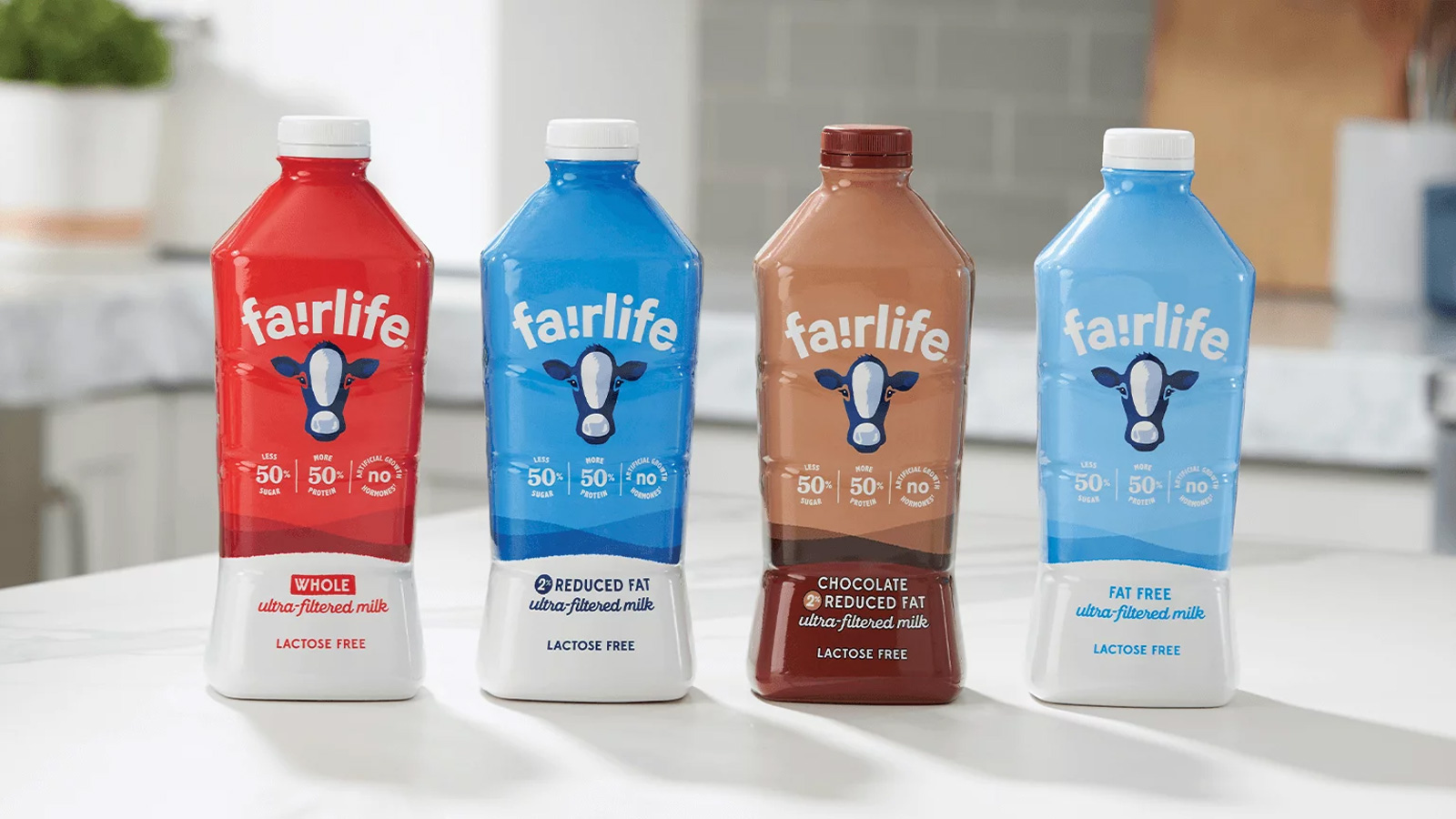
The ransomware attack on Fairlife, a Coca-Cola subsidiary generating nearly $4 billion in annual sales, resulted in a complete halt of all U.S. milk production facilities, underscoring the severe operational vulnerabilities within digitally integrated food supply chains. This shutdown has triggered immediate supply chain disruptions and raised concerns about potential milk shortages, particularly for unique products like lactose-free ultra-filtered milk and Core Power protein shakes that lack direct large-format competitors, threatening consumers and athletes reliant on these staples.
A critical uncertainty complicating Fairlife's recovery efforts is whether the ransomware breach penetrated operational technology (OT) systems on the plant floor or was confined to IT systems supporting manufacturing. This distinction matters greatly: if OT systems were compromised, the restoration process becomes significantly more complex and prolonged, requiring specialized OT forensics to verify that control parameters and safety interlocks remain intact, whereas IT-only breaches typically allow faster recovery.
Despite the operational paralysis, Coca-Cola has emphasized that product quality and safety were not compromised, indicating the attack targeted production systems rather than the integrity of the dairy products themselves. Nonetheless, the financial ramifications are mounting rapidly; with production suspended, every hour compounds losses through halted output, delayed shipments, recovery expenses, and inventory risks, as highlighted by Joseph Perry, especially given Coca-Cola's $6.1 billion contingent payment tied to the Fairlife acquisition.

Digital Convergence, Physical Risk
Interconnected IT and factory systems have erased old security barriers, letting ransomware leap from office networks to production lines and multiplying the financial fallout for perishable foods.
The tight integration of IT and operational technology (OT) systems in perishable food supply chains, exemplified by the Fairlife ransomware incident, creates critical vulnerabilities that can bring entire operations to a halt. As efficiency demands dissolve traditional air-gapped security—ERP systems now communicate directly with manufacturing execution systems and programmable logic controllers—ransomware can propagate laterally from corporate networks to industrial control systems, forcing shutdowns to prevent catastrophic safety and quality risks. This convergence not only expands the attack surface but also undermines conventional defense models, making breaches in corporate IT networks a direct threat to physical production lines.
Perishable supply chains face uniquely severe recovery challenges due to the non-linear financial penalties tied to raw material perishability and strict timing constraints. The Fairlife shutdown illustrates how operational pauses ripple backward to farms and forward to retail shelves, accumulating costs from idle overhead, spoilage, and contractual fines. This dynamic amplifies ransomware extortion leverage, especially against high-margin, high-velocity brands with minimal tolerance for downtime, as attackers exploit the risk of multi-week production halts to demand exorbitant ransoms.
Beyond network breaches, cyber incidents in food supply chains often stem from corrupted or untrustworthy electronically communicated process information, which can trigger severe physical consequences independent of direct network compromise. Joe Weiss highlights that many of the most damaging effects arise from delayed or inaccurate process data rather than just hacked systems, underscoring the critical importance of securing data integrity within cyber-physical systems (CPS).
Third-party supplier access represents a major cybersecurity vulnerability in food supply chains, with nearly 90% of cyberattacks in the past year traced to such entry points, according to a 2024 Claroty survey. Alarmingly, over half of respondents admitted to having only partial or no understanding of third-party connectivity to their CPS environments, exposing critical blind spots that attackers can exploit to infiltrate both IT and OT systems. This lack of visibility and control over external access significantly heightens the risk of ransomware and other cyber threats.
AI Fuels Cybercrime Surge
AI-powered ransomware is battering the food sector, driving up billion-dollar losses and prompting urgent government intervention as attackers outpace traditional defenses.
By mid-2026, AI-driven cyberattacks have surged alarmingly within the food and beverage sector, with 17 U.S. companies—including Fairlife, a Coca-Cola unit—falling victim to ransomware and other AI-enabled intrusions. This wave of attacks underscores a broader trend where sophisticated AI tools are exploited to breach critical supply chains, amplifying risks to food manufacturing's operational integrity and consumer trust.
The financial toll of AI-enabled cybercrime is staggering, as highlighted by the FBI's 2025 data revealing over 22,000 AI-related internet crime complaints and losses approaching $893 million. These figures contributed to a record-setting $20.9 billion in total internet crime losses that year, illustrating how AI has become a force multiplier for cybercriminals targeting industries like food manufacturing with increasingly sophisticated phishing and ransomware campaigns.
In response to this escalating threat landscape, the White House launched the Gold Eagle program, a strategic initiative aimed at consolidating vulnerability data and prioritizing remediation efforts across critical sectors, including food manufacturing. By fostering coordinated government and industry action, Gold Eagle seeks to mitigate AI-driven cyber risks proactively, reflecting an urgent recognition that traditional defenses must evolve to counter the dynamic challenges posed by AI-powered cyberattacks.

Zero Trust: Dairy’s New Shield
Modern dairy plants now rely on zero-trust network segmentation, airtight backups, and strict supplier controls to contain ransomware and prevent cascading supply chain chaos.
As food supply chains become increasingly digitized and integrated, traditional air-gapping defenses have given way to zero-trust architectures that enforce strict network segmentation to prevent ransomware lateral movement from IT to operational technology (OT) systems. This shift is critical in perishable supply chains like dairy, where production halts due to ransomware cause exponentially escalating costs from spoilage and contractual penalties, making rapid incident response and resilience planning indispensable. Experts emphasize cryptographic isolation via micro-segmentation and limiting network access strictly to essential functions as foundational strategies to contain breaches and safeguard manufacturing execution systems.
Robust data backup strategies remain a cornerstone of ransomware risk mitigation, with best practices calling for multiple redundant copies—including production, local, and cloud backups—that are regularly tested to ensure rapid recovery in time-sensitive environments. Complementing these technical safeguards, operator training and heightened human vigilance are paramount, as human error—often exploited through sophisticated AI-enhanced phishing and email fraud—continues to be the primary entry point for attacks. This dual approach addresses both technological and human vulnerabilities, reinforcing defenses against increasingly complex extortion tactics.
Effective ransomware defense in food supply chains also hinges on stringent access controls and comprehensive incident response planning. Implementing multi-factor authentication and enforcing least-privilege access policies reduce unauthorized entry risks, while prompt and well-rehearsed incident response protocols help mitigate operational disruptions swiftly. Additionally, given that nearly 90% of cyberattacks in the past year originated from third-party supplier access to cyber-physical systems, rigorous third-party risk management has become an urgent priority to close critical security gaps.