No safe havens: hormuz crisis exposes fragile markets and fuels 24/7 trading revolution
The gist
The Strait of Hormuz blockade shattered faith in classic safe havens, sending oil, markets, and central banks into uncharted, non-stop territory.
What to know
- Iran’s March 2026 blockade froze over 24 million barrels of daily oil supply, spiking Brent crude toward $90 and forcing LNG giants like QatarEnergy to halt exports.
- Traditional safe havens—U.S. Treasuries, gold, even the dollar—failed as simultaneous sell-offs and liquidity crunches exposed every asset class to risk.
- Central banks are quietly dumping dollars for gold and silver, while 24/7 tokenized trading platforms like Denario Swiss and Markets.xyz are rewriting the crisis playbook.
Hormuz Blockade Shatters Supply Chains
The closure of the Strait of Hormuz has unleashed a global energy shock, with surging prices, record insurance premiums, and supply chain chaos exposing the world’s acute vulnerability to Middle East instability.
The escalation of conflict involving Iran, Israel, and the U.S. has transformed the Middle East into a volatile geopolitical flashpoint, with the closure of the Strait of Hormuz serving as a critical inflection point for global energy markets. In early March 2026, Iran’s effective blockade of the strait—through which roughly 20% of the world’s oil and one-fifth of global LNG trade flow—triggered a near-total halt in tanker traffic, with war risk insurance premiums skyrocketing and over 24 million barrels per day of oil supply frozen. This unprecedented disruption has not only driven Brent crude prices toward $90 per barrel, with projections of $100 or even $150 if the crisis persists, but has also forced major LNG producers like QatarEnergy to declare force majeure and halt exports, sending shockwaves through European and Asian energy markets and exposing the fragility of global supply chains.
The ripple effects of these energy disruptions have been immediate and severe, with inflation risks mounting worldwide and markets exhibiting extreme volatility. European natural gas prices have spiked by up to 50%, UK wholesale gas prices saw their largest two-day increase on record, and retail gasoline prices in the U.S. have risen by 40 cents to $1 in various cities. These shocks are compounding existing stagflationary pressures, complicating monetary policy for central banks, especially the Federal Reserve, which faces the dilemma of rising inflation and slowing growth. As Torsten Slok of Apollo notes, 'This is a stagflationary impulse... if it persists, GDP is going to go down,' while the cost of shipping oil from the Gulf to China nearly doubled in a single day, and food prices are expected to rise globally due to fertilizer export blockades.
The conflict’s duration and the uncertainty surrounding its resolution are now the most critical variables for markets and policymakers. While some, like Jamie Dimon, argue that a short war would see oil spike to $80–$100 but have limited long-term impact, the risk of a protracted crisis—now widely expected to last weeks or even months—raises the specter of sustained supply shocks, further inflation, and even multi-year bear markets if oil prices remain elevated beyond one quarter. Market participants, having initially underestimated the risk due to past false alarms, are now pricing in a $20 per barrel 'fear premium,' but still may not fully appreciate the potential for cascading disruptions if the Strait of Hormuz remains closed and strategic reserves are depleted. As one analysis warns, 'Markets can tolerate a spike. What they cannot tolerate is prolonged uncertainty over trade flows through the Strait of Hormuz.'
Amid the chaos, the crisis has exposed deeper structural vulnerabilities and shifting global power dynamics. The U.S., now the world’s largest oil producer and a net exporter, is less exposed than in past oil shocks, but still faces domestic inflation as global prices rise. Meanwhile, China—having built massive strategic petroleum reserves and maintaining informal immunity for its tankers—has emerged as a pivotal player, with its upcoming summit with President Trump seen as a likely catalyst for a negotiated end to the crisis. Gulf states, facing budgetary strains and forced to review overseas investments, may redirect capital away from U.S. venture markets toward defense, while India and poorer nations like Bangladesh and Egypt confront acute shortages. Iran’s strategy, focused on economic attrition and leveraging its decentralized military doctrine, aims to keep the strait closed to exhaust Western resilience, while the U.S. and its allies scramble for off-ramps amid warnings that 'every day the Strait stays closed, oil stays high... every day oil stays high, inflation stays high.'






Safe Havens Fail Under Pressure
As the energy crisis triggered mass liquidations, even gold and U.S. Treasuries proved unreliable, revealing that no asset class is immune when systemic liquidity evaporates and debt burdens weigh on every corner of the market.
The recent wave of energy shocks and geopolitical instability has laid bare the fragility of global financial markets, as traditional safe-haven assets like U.S. Treasuries, gold, and even the dollar itself have failed to provide reliable refuge. As the Strait of Hormuz closure and Middle East conflict sent oil prices surging—the largest single-week gain since 1982—liquidity crunches rippled through equities, bonds, and commodities, with institutional investors forced to liquidate even gold holdings to meet cash needs. This breakdown in safe-haven dynamics was underscored by simultaneous declines in gold and equities, soaring bond yields, and a strengthening dollar, as margin calls and forced selling cascaded across sectors from private credit to Asian equities, revealing that no asset class is immune when systemic liquidity is under stress.
Underlying these acute shocks is a deeper structural vulnerability: the global debt burden has reached unprecedented levels, with total debt soaring from $16 trillion in 1980 to $314 trillion in 2024, and U.S. federal debt alone hitting $37 trillion. This debt overhang, coupled with shortening maturities and rising interest payments—now exceeding defense spending in OECD countries—has put immense strain on fiscal budgets and undermined the traditional role of government bonds as safe havens. As Pierre Lassond and others have warned, the relentless issuance and mounting interest costs risk exhausting both domestic and foreign demand for U.S. debt, amplifying credit risks and leaving markets exposed to sudden repricings when liquidity tightens.
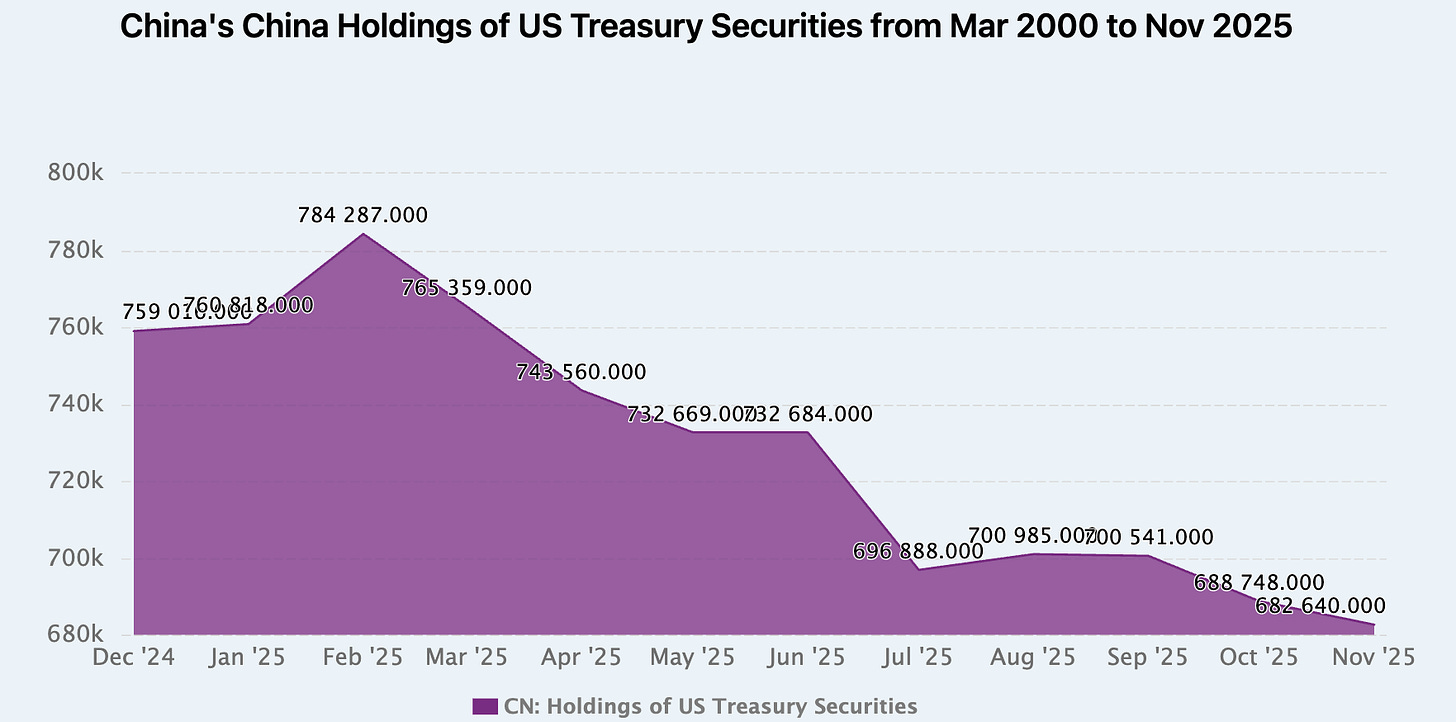
The weaponization of the U.S. dollar and the erosion of central bank independence have further accelerated financial fragmentation, prompting foreign central banks and sovereign wealth funds to diversify away from dollar assets into gold and other alternatives. This shift, exemplified by China’s directive for banks to pare down U.S. Treasury holdings and the Gulf states’ reconsideration of overseas investments amid budget strains, has disrupted the recycling of petrodollars and weakened the dollar’s reserve status. As a result, global capital flows are becoming more volatile and less predictable, with traditional 'set it and forget it' investment models giving way to a new era where resilience and optionality are prized over efficiency and historical precedent.
Amid these structural shifts, the interplay between energy shocks, inflation, and monetary policy has created a stagflationary trap for central banks, particularly the Federal Reserve. Persistent supply disruptions and elevated oil prices have kept inflation stubbornly high, preventing rate cuts and forcing $5 trillion in corporate debt to roll over at punitive rates. This dynamic is squeezing profit margins, raising credit spreads, and fueling fears of a repeat of the 1970s, as even robust sectors like AI and tech face the risk of a sudden correction if liquidity dries up. The result is a market environment where volatility, uncertainty, and the threat of cascading defaults loom large, and where even the most time-tested safe havens can become sources of risk.



Debt and De-Dollarization Accelerate
With debt at historic highs and central banks dumping dollars for gold and silver, the global monetary order is fracturing as policymakers confront the limits of fiscal and monetary firepower.
Central banks and policymakers are grappling with the consequences of decades-long debt accumulation and fiscal profligacy, as global debt has ballooned from $16 trillion in 1980 to a staggering $314 trillion by 2024, with U.S. federal debt alone surging from $1 trillion to $37 trillion. As Pierre Lassond bluntly observed, 'the world is drowning in debt,' and the mounting burden of interest payments is raising alarms about the sustainability of current fiscal and monetary policies. There is growing anxiety that continued debt issuance will eventually exhaust both domestic and foreign demand for U.S. debt, forcing a reckoning with the limits of the existing monetary order.
Amid this debt-driven fragility, the U.S. dollar's privileged status as the world's reserve currency is showing cracks, with central banks—particularly from emerging economies like China and India—actively diversifying away from U.S. Treasuries toward gold and, more recently, silver. This de-dollarization trend has been accelerated by the erosion of U.S. fiscal responsibility, political interference with the Federal Reserve, and the weaponization of the dollar through sanctions, prompting global holders to sell dollars and bolster reserves with tangible assets. As of late 2025, gold has overtaken U.S. Treasuries as the dominant reserve asset among foreign central banks, marking a historic reversal of a 30-year trend and signaling a profound shift in the global monetary order.
The Federal Reserve and its global counterparts are increasingly constrained in their policy responses, as aggressive rate hikes or further quantitative easing risk destabilizing markets or fueling inflation. Recent actions, such as the Fed’s three rate cuts in 2025 and targeted purchases of $40 billion in short-term Treasuries each month, reflect a delicate balancing act: managing liquidity and employment stability without triggering a broader loss of confidence in U.S. assets. Meanwhile, the rise of alternative assets—including Bitcoin, stablecoins, and tokenized precious metals—illustrates how both sovereigns and private investors are hedging against currency debasement and the diminishing safe-haven status of government bonds.
Geopolitical shocks and persistent inflation have further complicated reserve management, as evidenced by China’s covert gold accumulation—potentially double its official holdings—and its explicit instructions to banks to reduce U.S. Treasury exposure. The opacity of these reserve shifts, with only a third of central bank gold purchases formally reported, underscores a strategic desire to avoid market panic and political backlash. This quiet but determined move away from U.S. assets is mirrored by other sovereigns, with Russia and non-aligned emerging markets also adding silver to their reserves, collectively signaling a new era where tangible, productive assets are favored over traditional paper promises.





Volatility Demands New Playbooks
Investors are abandoning short-term trades for resilient, scenario-based strategies as persistent volatility and currency debasement force a fundamental rethink of risk and reward.
Investors are fundamentally rethinking their approach to volatility, moving away from short-term speculation and embracing longer-term, scenario-based strategies. As the secular trend of currency debasement becomes undeniable, both institutional and retail investors are shifting from the old playbook of 'selling rallies' to 'buying dips,' emphasizing patience and robust risk management. This transition reflects a broader market evolution, as described by analysts who note, 'we’ve gone from the denial stage... to somewhere between anger and bargaining,' underscoring the need for enduring positioning over reactive trades.

Tokenized Metals and 24/7 Trading Surge
Platforms like Denario Swiss and Markets.xyz are revolutionizing crisis trading by enabling real-time, global access to gold, silver, and oil—breaking the old boundaries of market hours and geography.
The tokenization of precious metals, particularly silver, is democratizing access for retail investors and transforming traditional market structures. As highlighted in late 2025, platforms like Denario Swiss are making it possible for individuals to easily buy and hold tokenized silver, enhancing liquidity and facilitating real-time price discovery. This technological shift is mirrored by institutional moves, such as JP Morgan's reported relocation of its gold trading desk from New York to Singapore, signaling a broader adaptation of market infrastructure to global demand and paving the way for more continuous, regionally diversified trading activity.
Technological innovation in tokenized assets and 24/7 trading platforms is enabling real-time risk management and market participation, especially during periods of supply constraints and geopolitical uncertainty. As retail interest in precious metals surges—evidenced by silver outperforming Bitcoin in retail interest—tokenized silver markets are emerging as a new frontier, with cross-chain capabilities (such as integration with Solana and XRP) and continuous trading infrastructure, as seen with the launch of the Denario app, further enhancing market responsiveness and liquidity.
By early 2026, the practical impact of 24/7 trading platforms became clear during a weekend geopolitical crisis, when Markets.xyz enabled real-time oil price discovery while traditional exchanges remained shuttered. With oil, gold, and silver accounting for 47% of platform volume on March 1, 2026, and the platform's non-custodial, onchain infrastructure—developed in partnership with regulated data provider Kaiko—both retail and professional traders gained unprecedented, continuous access to global markets, allowing for immediate risk management and price adjustment in response to geopolitical shocks.
The rise of tokenized assets and 24/7 trading is fundamentally reshaping market dynamics by mitigating the weekend price shocks that once plagued assets like Bitcoin. As tokenized stocks and other assets now trade around the clock, platforms such as Hyper Liquid have seen significant weekend trading volume—HYPE, for example, rose 10-12% following geopolitical attacks—demonstrating how these new market structures are evolving into real-time risk management tools and safe havens. This shift enables markets to respond more immediately to global events, altering the traditional rhythm of financial markets.