One NZ’s AI trust playbook for 2026
The gist
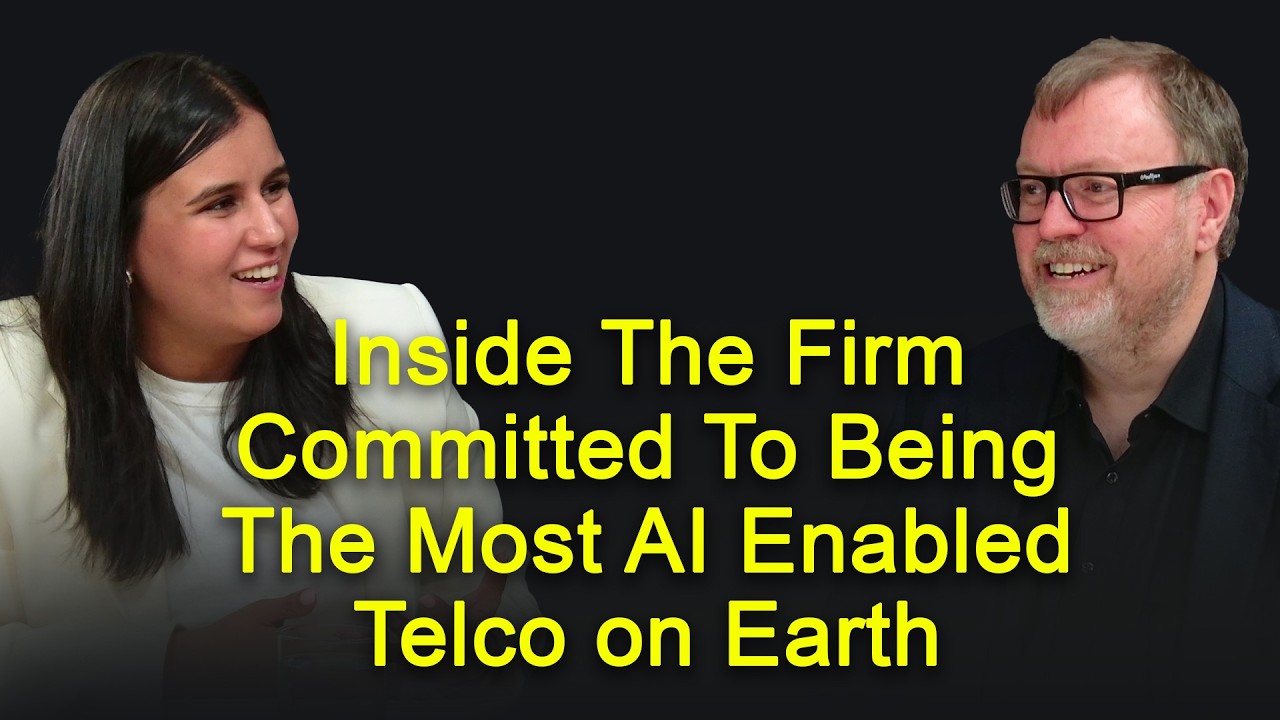
One NZ is rewriting the global AI playbook for 2026 with radical transparency, rigorous governance, and an 'autonomous ready' workforce that’s doubling productivity—while putting trust and ethics front and center.
What to know
- One NZ’s Responsible AI Framework enforces strict oversight and transparency, setting a global benchmark as fragmented regulations persist.
- Agentic AI has cut network troubleshooting from an hour to minutes and now autonomously resolves over 60% of customer issues, powering quadrupled engagement.
- The 2026 AI Trust Report and trust hub cement transparency as a customer expectation, with 77% of Kiwis using AI and 60% ready to switch if trust is broken.
AI Leadership Beyond Compliance
One NZ’s Responsible AI Framework fuses rigorous governance with real-world value delivery, embedding ethical oversight and stakeholder trust at the heart of every AI deployment.
By 2026, One NZ has cemented its leadership in responsible AI adoption through a comprehensive strategy that integrates AI capabilities safely across customer, agent, and employee experiences. Under the incoming CEO Nick Judd, who has been instrumental in shaping the company’s AI-driven vision, One NZ continues to prioritize creating a better connected New Zealand while scaling AI responsibly, ensuring that the full potential of AI is accessible organization-wide without compromising safety or ethical standards.
Central to One NZ’s leadership is its pioneering 2026 Responsible AI Framework, which sets a new global standard by embedding rigorous governance, transparency, and iterative human oversight. This framework operates as a 'trust trail,' meticulously assessing AI applications for appropriateness and risk before deployment, while balancing AI’s power with reliability and cost efficiency. Such strategic oversight not only curbs AI hallucinations amid surging agentic productivity but also builds stakeholder confidence in an era where global AI governance remains fragmented.
One NZ’s governance approach transcends mere compliance by embedding ethical evaluation through lenses of desirability, viability, and feasibility, ensuring AI solutions address genuine user pain points and deliver tangible business value rather than chasing flashy technology. This disciplined focus on value realization, championed by leaders like Neeharika Chowdhary, underscores the company’s commitment to capturing benefits for both customers and the organization, positioning trust as the linchpin that unlocks AI’s full potential amid the accelerating AI arms race.
Amid global AI governance gridlock and rising demands for transparency and workforce training, One NZ exemplifies leadership by embracing iterative improvement and strategic governance to navigate the complex ethical and productivity challenges of rapid agent deployment. This proactive stance not only addresses the evolving landscape of agentic AI workflows but also highlights the urgent need for robust frameworks that foster trust and user confidence, setting One NZ apart as a beacon of responsible AI adoption in 2026.

Workforce: From Siloed to Versatilist
One NZ’s workforce transformation hinges on continuous human oversight and adaptability, empowering employees to bridge business and AI while doubling productivity and minimizing errors.
As AI agents turbocharge productivity and reshape workflows at One NZ, the workforce is rapidly evolving into 'autonomous ready' versatilists who bridge the gap between business and AI, moving beyond siloed functions to cross-functional collaboration focused on outcomes rather than tasks. This shift demands a proactive mindset toward 'job chaos' rather than 'job apocalypse,' emphasizing adaptability and continuous skill development, especially in non-technical, people-centric areas, to capture AI’s value and retain talent, as highlighted by Gartner's Mike and echoed in industry analyses.
Human oversight remains the linchpin in managing agentic AI workflows, bookending AI processes with human judgment to frame problems and validate outputs, as ASQ CEO Sid Bhatnagar explains. This evolving oversight is critical not only to ensure reliability and safety amid compressed decision timelines but also to balance the surge in AI-driven productivity with trust and governance challenges, requiring executives to adopt new stewardship roles that drive AI culture and manage the interplay between machine speed and human discernment.
One NZ’s experience underscores that rigorous, continuous AI model testing combined with evolving human oversight is essential to tame the risks of hallucinations and maintain AI reliability amid the accelerating AI arms race. Neeharika Chowdhary reveals how these practices have doubled productivity while slashing errors, even as global AI governance struggles with safety gridlock and rising training demands, highlighting that safeguarding productivity gains depends on dynamic human roles that ensure continuous testing, model swappability, and strategic governance frameworks keep pace with AI’s rapid evolution.

Transparency as a Trust Imperative
By making AI usage radically transparent and prioritizing privacy, One NZ turns trust into a competitive edge—meeting rising public expectations and redefining customer loyalty.
By early 2026, One NZ has firmly positioned transparency as the cornerstone of its AI adoption strategy, exemplified by the publication of its accessible 2026 AI Trust Report and the establishment of a dedicated trust hub that openly details AI usage both internally and for customers. As Neeharika Chowdhary highlights, this iterative transparency not only demystifies AI’s role but also fosters ongoing user engagement and confidence, acknowledging that AI systems improve over time rather than delivering perfection from day one. This approach resonates strongly with New Zealanders, 77% of whom have interacted with AI in the past year, underscoring broad adoption alongside evolving public expectations around openness and accountability.
Trust has emerged as a decisive competitive differentiator in New Zealand’s AI landscape, with over 60% of consumers willing to switch providers if AI experiences feel untrustworthy—a dramatic shift that elevates trust from a nice-to-have to an essential for customer loyalty. One NZ’s customer-centric AI deployment focuses rigorously on privacy and data protection, recognizing these as paramount concerns that directly influence user confidence. Their 2026 AI Trust Report underscores this battleground where transparency, data safeguarding, and clear communication converge to enhance customer experience while mitigating growing AI literacy gaps among users.
Amid global AI governance gridlocks and the rapid rise of agentic AI productivity, One NZ leads by example through iterative human oversight combined with transparent practices that sustain trust and responsible AI use. This dual emphasis on human-in-the-loop governance and continuous improvement not only addresses the complexity and risks of scaling AI but also sets a benchmark for other organizations navigating similar challenges. As highlighted in multiple analyses, One NZ’s pioneering efforts demonstrate how embedding trust-building mechanisms into AI adoption strategies can bridge the gap between soaring technological capabilities and lagging regulatory frameworks.
Agentic AI Powers Productivity Surge
Agentic AI agents at One NZ automate complex tasks, quadruple engagement, and demand new governance models to balance rapid innovation with reliability and operational resilience.
In 2026, One NZ exemplifies how agentic AI is revolutionizing productivity by automating complex workflows and enhancing customer experience, notably slashing network troubleshooting times from up to an hour to mere minutes. This shift from brittle rule-based bots to flexible AI agents has quadrupled customer engagement and satisfaction, while doubling productivity in software development and product innovation. Yet, as One NZ democratizes AI tools across its workforce to drive operational efficiency, it simultaneously underscores the critical need for evolving governance frameworks to manage risks like hallucinations and ensure reliability amid surging AI capabilities.
The transformative power of agentic AI at One NZ is deeply intertwined with a human-centric approach that blends advanced generative reasoning and deterministic tool use, setting new standards for trust, transparency, and operational resilience. As AI agents autonomously resolve over 60% of customer service issues, the company highlights the rising imperative for transparent human oversight and strategic governance to balance rapid innovation with quality and trust. This evolving landscape demands sophisticated AI observability and clear operational boundaries, as Neeharika Chowdhary emphasizes, to build scalable autonomous systems that enhance customer experience without compromising network continuity.
Beyond individual productivity gains, One NZ’s strategic AI adoption involves cross-platform orchestration and broad employee empowerment, fundamentally reshaping organizational architecture to navigate the complex global AI governance landscape. The surge in agentic workflows not only turbocharges product development—leveraging platforms like ChatGPT Work and Anthropic's Claude Co-Work—but also spotlights the urgent need for refined governance frameworks that ensure consistent oversight across rapidly evolving AI workflows. This balancing act between innovation and risk management positions One NZ as a leader in responsible AI deployment amid the fierce 2026 AI arms race.