Pfizer tower scare spurs crackdown on NYC conversions
The gist
A structural crisis at Manhattan’s $700M Pfizer tower has triggered a citywide crackdown on the booming, risky business of converting old office buildings into luxe homes.
What to know
- Contractor errors and missing reinforcing steel caused buckling columns on the Pfizer building’s upper floors during its office-to-residential conversion.
- Emergency interventions averted collapse, but the project racked up seven violations, a $10,000 fine, and exposed widespread safety gaps citywide.
- Despite the scare—and new safety sweeps—NYC’s conversion market remains red-hot, with record investor interest and over 10 million square feet of projects in the pipeline.
Engineering Flaws Exposed
Critical miscalculations and missing steel in the Pfizer tower’s conversion reveal the hidden dangers and complexity of adapting aging office structures for new residential use.
The structural failure at the Pfizer building during its office-to-residential conversion primarily stemmed from loading errors, notably the addition of new floors that exceeded the load capacity of existing support columns. Forensic engineer Joseph Di Pompeo emphasized that buckling hinges on column length between braces and load carried, suggesting either improper weight accounting or sequencing errors. This was compounded by contractor mistakes, as Chris Behan of GACE Consulting Engineers revealed that crucial reinforcing steel was not installed as per design, directly leading to column buckling on the 21st floor and subsequent sagging up to the 26th floor.
Adaptive reuse of aging office buildings like the 1960 Pfizer tower presents intricate engineering challenges, as original designs often do not anticipate residential load patterns or structural modifications such as punching holes for light or adding floors. Experts like Mehrdad Sasani advocate for rigorous testing of existing materials rather than relying solely on original plans, given discrepancies between as-built conditions and design documents noted by Jerome F. Hajjar. While older buildings may benefit from conservative overdesign, as Patrick Chopson points out, the complexity of integrating new structural systems to carry additions while preserving the original framework increases the risk of errors that can jeopardize structural integrity.
Despite the inherent risks, engineers generally favor adaptive reuse over demolition due to sustainability concerns and prohibitive costs, with Ben Schafer highlighting that buildings contribute roughly 40% of global energy-related carbon emissions and that tearing down structures in dense urban areas like New York is especially wasteful. However, as Norma Jean Mattei notes, the conversion process itself—particularly when adding new loads or modifying structural elements—carries significant risk, though in the Pfizer case the foundation was deemed adequate. This underscores the delicate balance between preserving existing infrastructure and ensuring safety amid complex renovations.





Safety Failures Spark Alarm
Emergency evacuations and buckling steel at the Pfizer site spotlight systemic lapses in contractor oversight and the urgent need for stronger safety protocols in NYC conversions.
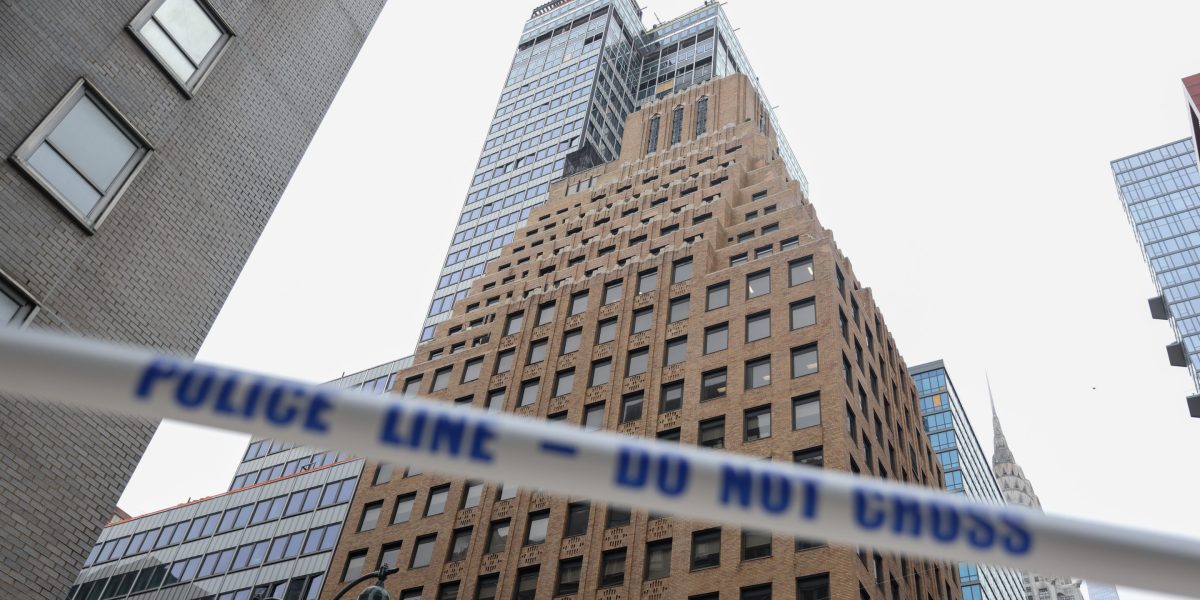
The Pfizer building conversion project at 235 East 42nd Street starkly exposed the acute safety challenges inherent in transforming large office buildings into residential spaces. Early morning reports of falling debris and buckling steel columns on the 21st floor triggered emergency evacuations and street closures within a five-block radius, underscoring the immediate risks posed by structural failures during such conversions. As FDNY battalion chief emphasized, the scale of the incident—steel columns bending reminiscent of 9/11—highlighted what Cliff Johnsen of Steamfitters Local 638 called 'irresponsible contracting,' raising alarms about contractor oversight and construction practices.
Despite the severity of the structural issues, city officials and engineers managed to stabilize the 37-story Pfizer building through emergency repairs and sophisticated load redistribution techniques such as catenary and Vierendeel frame actions. Ahmed Tigani, New York City's building commissioner, confirmed that these interventions prevented a total collapse, but the incident revealed deeper systemic problems: discrepancies between the building’s original design and its current state, coupled with inadequate reinforcement of critical columns, particularly under added residential loads on the 21st floor. This case exemplifies the broader safety pitfalls when older office structures are repurposed without exhaustive structural evaluations.
The Pfizer project’s troubling safety record, including seven construction violations in 2025 and a $10,000 fine for failing to report a fatality or injury, reflects ongoing lapses in safety management during complex conversions. Experts like Mehrdad Sasani stress the necessity of rigorous material testing rather than relying on outdated blueprints, advocating for a more forensic engineering approach to ensure structural integrity. This incident has amplified public and regulatory scrutiny on Manhattan’s office-to-residential conversions, spotlighting the critical need for enhanced contractor accountability and comprehensive safety protocols to prevent future near-catastrophes.
High Stakes, High Risk
Record-breaking loans and aggressive investor moves fuel the conversion boom, but mounting lawsuits and lender caution expose the sector’s financial fragility and escalating scrutiny.
The Pfizer building conversion stands as one of New York City's most financially significant office-to-residential projects, secured by a record-breaking $700 million construction loan from Madison Realty Capital, underscoring the high capital intensity and lender involvement in such ventures. Investors like David Werner exemplify a broader market trend of opportunistic acquisitions, having purchased assets like One Dag Hammarskjöld Plaza at steep discounts to fuel these conversions, reflecting both the promise and volatility in repurposing office stock amid shifting demand.
Developer Nathan Berman's trajectory illustrates the precarious balance of risk and resilience in this sector; despite losing properties such as 20 Broad Street to foreclosure, he continues to spearhead major projects like the Pfizer conversion, signaling persistent lender confidence but also the financial fragility inherent in large-scale adaptive reuse. Meanwhile, Metro Loft, the developer behind Pfizer, faces mounting legal and reputational challenges, including a $376 million lawsuit over alleged shoddy construction at 443 Greenwich Street, highlighting how construction missteps can imperil financial standing and investor trust.
Although lenders have so far experienced minimal direct financial impact from the Pfizer building’s structural instability, the incident has intensified scrutiny on developers and contractors, with safety violations and public criticism raising concerns about oversight and execution. This heightened attention, coupled with some lenders withdrawing from similarly complex conversions—citing high costs and regulatory hurdles—signals growing caution in financing these ambitious projects, especially as developers push to convert newer, less structurally overdesigned office buildings, thereby amplifying financial and engineering uncertainties.
Conversion Market Unshaken
Despite new regulatory crackdowns and public safety fears, investor confidence and project volume in NYC’s office-to-residential conversions remain at historic highs.
Despite the alarming structural emergency at the Pfizer building conversion, New York City's office-to-residential conversion market demonstrates remarkable resilience, buoyed by robust investor appetite and political backing for multifamily housing. Aaron Appel of Walker & Dunlop underscores this confidence, noting ongoing commercial financings remain unaffected. This optimism is further supported by record-breaking activity, with 5 million square feet of conversions initiated last year—the highest in two decades—and nearly 10 million square feet planned by early 2026, signaling that while new regulations and costs may arise, the conversion boom is far from derailed.
In direct response to the Pfizer incident, the New York City Department of Buildings swiftly launched citywide construction safety sweeps, focusing especially on projects associated with MetroLoft’s contractor, Barone Steel Fabricators. This move signals a heightened regulatory scrutiny that is reshaping oversight practices across the city’s conversion landscape. While lenders and capital providers are expected to increase their due diligence on development teams and projects, industry leaders like Laura Rapaport of North Bridge remain optimistic, believing that despite tighter scrutiny, successful conversions will continue to thrive in New York and other urban centers.