Progressive primary upsets deepen democratic rift
The gist
Progressive insurgents and socialist-backed candidates are rocking Democratic primaries, forcing a generational showdown and reshaping the party’s future.
What to know
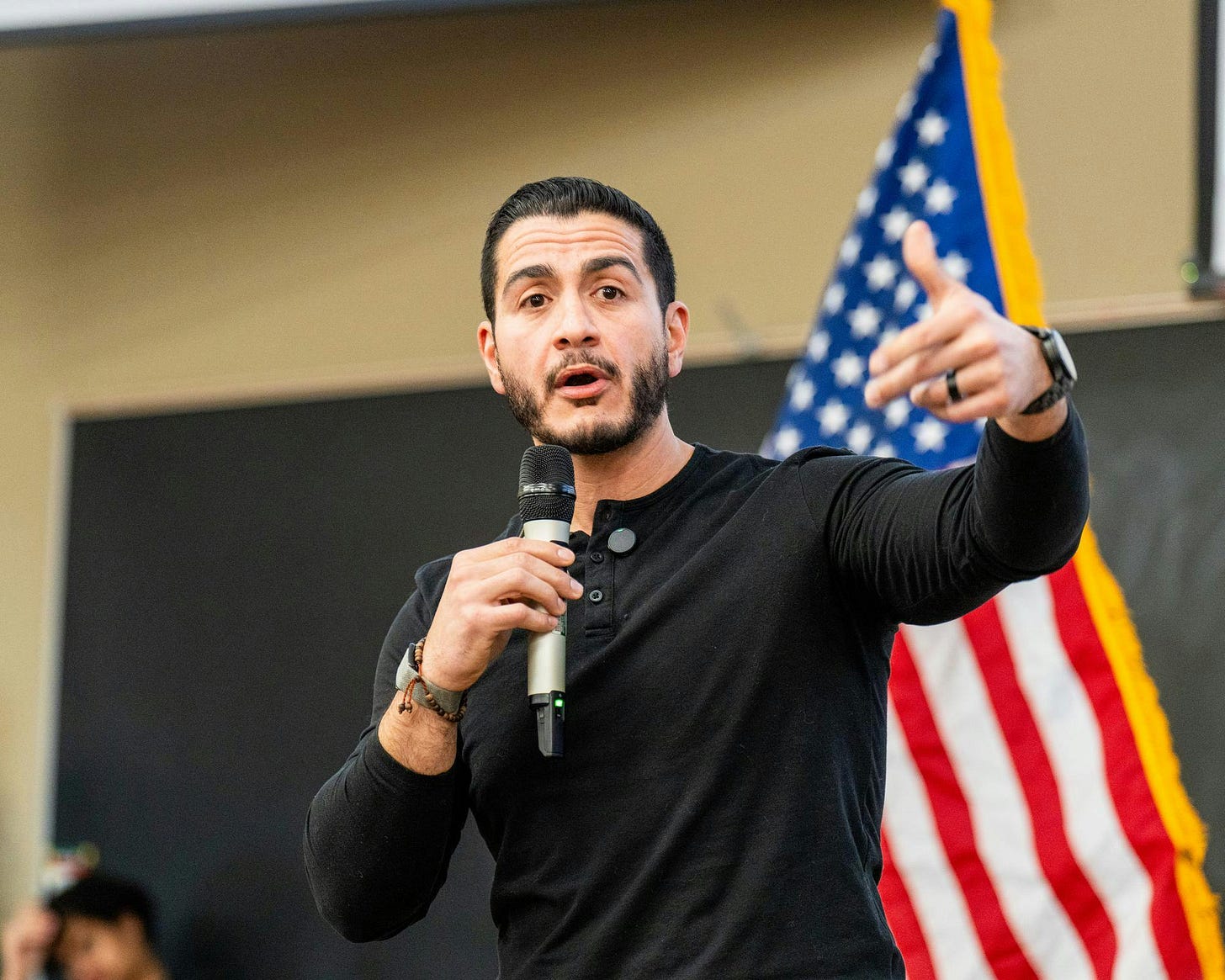
- Activist-fueled upstarts like Abdul El-Sayed and Grace Massore are toppling establishment Democrats in low-turnout primaries, even against millions in opposition funding.
- Millennials and Gen Z—who now dominate Democratic socialist ranks—have sparked a surge of nearly 100,000 new candidates, demanding bold policies like Medicare for All and affordable housing.
- The DNC is cracking down with stricter primary rules and facing $18 million in debt, as party leaders scramble to bridge widening internal rifts ahead of 2026 and 2028.
Insurgents Redefine Party Lines
Progressive and socialist challengers, fueled by millennial and Gen Z energy, are forcing Democratic leaders to adopt more radical stances on issues from Medicare for All to Gaza, fracturing the party’s ideological core.
Progressive and socialist insurgencies are mounting a formidable challenge to the Democratic establishment, as evidenced by declining approval ratings for incumbent Democrats and a surge of insurgent candidates winning primaries across key states. Figures like Abdul El-Sayed in Michigan, who advocates Medicare for All and an end to the Gaza genocide, have gained significant grassroots momentum despite facing establishment-backed opponents supported by substantial dark money and AIPAC funding. This insurgent wave, backed by organizations such as the Democratic Socialists of America and Justice Democrats, is reshaping party dynamics by pushing leadership figures like Hakeem Jeffries and Chuck Schumer to adopt harsher rhetoric on business and AI, signaling a shift toward more radical policy positions within the party.
Low-turnout primaries have empowered activist minorities, particularly socialist-backed candidates who leverage radical rhetoric on capitalism, policing, and immigration to galvanize a passionate base that feels underrepresented by the establishment. Candidates like Grace Massore and Abdul El-Sayed frame immigration in humanitarian terms and advocate police defunding with strategic moderation to broaden appeal, reflecting a nuanced insurgent strategy. This grassroots energy is fueled by a generational divide, with millennials and Gen Z voters—who make up a majority of Democratic socialists and prioritize issues like housing, economic justice, and climate action—driving a surge of nearly 100,000 new candidates running for office, determined not to 'wait their turn.'
The ideological conflicts wrought by progressive and socialist insurgencies are fracturing party cohesion and complicating leadership, as insurgents push agendas that clash with establishment priorities on domestic policies, foreign affairs, and cultural issues. The Gaza conflict serves as a litmus test within the insurgent left, with candidates expected to take unequivocal stances, distinguishing them from other anti-establishment outsiders. Meanwhile, establishment figures like James Carville openly dismiss progressive challengers, and institutional pressures threaten insurgents’ access to caucuses, underscoring a generational and ideological divide that risks deepening internal fractures unless the party integrates the insurgents’ passion and organizational commitment.
While the progressive insurgency is often likened to a 'progressive Tea Party'—a left-wing rebel movement fueled by frustration over electoral losses and perceived establishment failures—it enjoys strong grassroots appeal, especially among young voters, though concerns remain about its broader electability outside urban centers. Despite these tensions, insurgent victories in primaries from Colorado to New York demonstrate that the establishment is not invincible, as candidates like Francesca Hong and Cori Bush successfully connect with voters through principled, people-funded campaigns focused on systemic change. This insurgent momentum is forcing the Democratic Party to reckon with shifting voter demands for moral clarity and substantive policy worldviews, challenging traditional narratives about electability and identity politics.




Youthquake Shifts Party Power
A generational revolt led by young, diverse candidates is sidelining traditional Democratic hierarchies as economic frustration and identity politics drive a surge of new faces demanding transformative change.
The Democratic Party’s internal dynamics are being profoundly reshaped by a generational divide, with millennials and Gen Z leaders fueling insurgent campaigns rooted in frustration over the status quo and establishment politics. As Amanda Litman observes, this is as much an anti-establishment movement as it is a generational one, with young candidates passionately advocating for transformative policies like Medicare for All and addressing urgent issues such as housing affordability, which ranks as the top motivator for their runs. This youthful insurgency is not only ideological but also organizationally robust, exemplified by groups like the DSA whose disciplined activism challenges older party structures and demands inclusion within the party’s big tent.
Young and minority voters, who constitute the core Democratic base, increasingly feel alienated by establishment leaders perceived as unresponsive to their economic and social realities, creating fertile ground for progressive insurgents who better reflect their lived experiences and policy priorities. Roshni Nedungadi highlights this disenchantment, noting that these voters are 'fed up' and seeking candidates who genuinely fight for them, a sentiment that fueled Jamaal Bowman’s landmark 2025 primary victory and triggered a surge of over 10,000 new candidate sign-ups. This demographic shift signals a broader realignment within the party, where generational identity now often eclipses traditional racial divides, as younger voters shaped by economic hardships like the Great Recession gravitate toward progressive platforms.
The evolving Democratic electorate is increasingly ideologically heterodox, especially among young voters who blend progressive and moderate positions, compelling candidates to adopt flexible, nuanced messaging to resonate across diverse constituencies. James Talarico’s campaign in Texas illustrates this trend by combining liberal values with support for the oil and gas industry to appeal to working-class Hispanic voters, demonstrating that winning in mixed or conservative-leaning areas requires embracing this ideological complexity. This heterodoxy reflects economic strains felt by young men of color who, despite occasional votes for Republicans, remain fundamentally progressive or moderate but seek a Democratic Party that addresses their economic pain and provides a political home.
While the surge of Democratic Socialism and progressive insurgency is largely driven by energized young voters under 45—59% of whom identify as Democratic socialists according to a 2026 CNN poll—the party faces internal tensions not only from this leftward shift but also from centrist Democrats wary of losing influence. Media figures like Hasan Piker and debates over electability have intensified these divides, with party elder James Carville dismissing progressives as 'so fucking stupid,' underscoring the generational and ideological rift. Yet, as Jamie Harrison warns, the greater threat to party unity may come from centrists willing to break ranks, highlighting the complex interplay of generational, ideological, and strategic challenges reshaping the Democratic coalition ahead of 2026 and 2028.
Primary Battles Expose Deep Rifts
Low-turnout primaries and DNC rule changes have intensified the clash between grassroots insurgents and establishment leaders, with nomination fights and financial strains threatening party unity ahead of 2026.
Low-turnout primaries have become a double-edged sword for the Democratic Party, empowering activist minorities who propel progressive and socialist insurgents like Abdul El-Sayed and Grace Massore to upset establishment incumbents despite heavy financial opposition. As CNN's Harry Entin highlights, the potential loss of six House Democrats in 2026 would mark the largest post-redistricting primary defeat in over 50 years, underscoring how these primaries reward the most vocal activists rather than a broad electorate. This dynamic intensifies internal divisions and complicates party unity, as seen in Michigan where insurgents backed by grassroots energy challenge establishment candidates supported by over $60 million in dark money and special interest groups like AIPAC.
The Democratic National Committee is responding to these nomination challenges by enforcing strict calendar compliance through delegate penalties and fines, prioritizing states with electorates that reflect America's diversity to enhance party unity and electoral viability. Lavora Barnes emphasizes that "states with populations that look like all of America should be prioritized," aiming to counterbalance the outsized influence of activist minorities in low-turnout primaries. Meanwhile, the DNC faces significant financial hurdles, carrying $18 million in debt despite $15 million on hand, and must strategically leverage recent Supreme Court rulings that allow unlimited funding of candidate campaigns to compete with the Republicans' deep-pocketed efforts.
These nomination and fundraising pressures exacerbate tensions between the Democratic establishment and insurgent factions, with party leaders like Hakeem Jeffries and Chuck Schumer facing low favorability among primary voters and new progressive members resisting establishment demands, including caucus membership threats. Organizations such as 'A Fight Worth Having' are arming insurgents with polling data to counteract establishment pressure, reflecting a growing disconnect between leadership and the base. This ideological and strategic friction challenges party cohesion ahead of critical leadership decisions and complicates electoral strategies for the 2026 and 2028 cycles.
Despite intra-party conflicts, the coexistence of insurgent leftists and moderates like the Blue Dog caucus broadens the Democratic Party's electoral appeal, particularly in swing districts where moderate Democrats consistently outperform baseline candidates. This strategic diversity, while intensifying internal debates over policies such as defunding the police and immigration reform, ultimately strengthens the party's competitiveness against Republicans who lack a comparable centrist faction and rely heavily on gerrymandering. As one analysis notes, "the only way for a party to win majorities in a big and diverse country is to include people who don’t agree with each other," highlighting the complex balancing act shaping Democratic nomination and electoral strategies.