Quest rolls out FDA-approved alzheimer’s blood test nationwide
The gist
Quest Diagnostics is rolling out the first FDA-cleared blood test that can rule in or out Alzheimer’s amyloid pathology—making early, less invasive diagnosis possible nationwide.
What to know
- The Roche Elecsys pTau217 blood test launches in late 2026 and runs on 4,500+ Roche cobas instruments across the U.S.
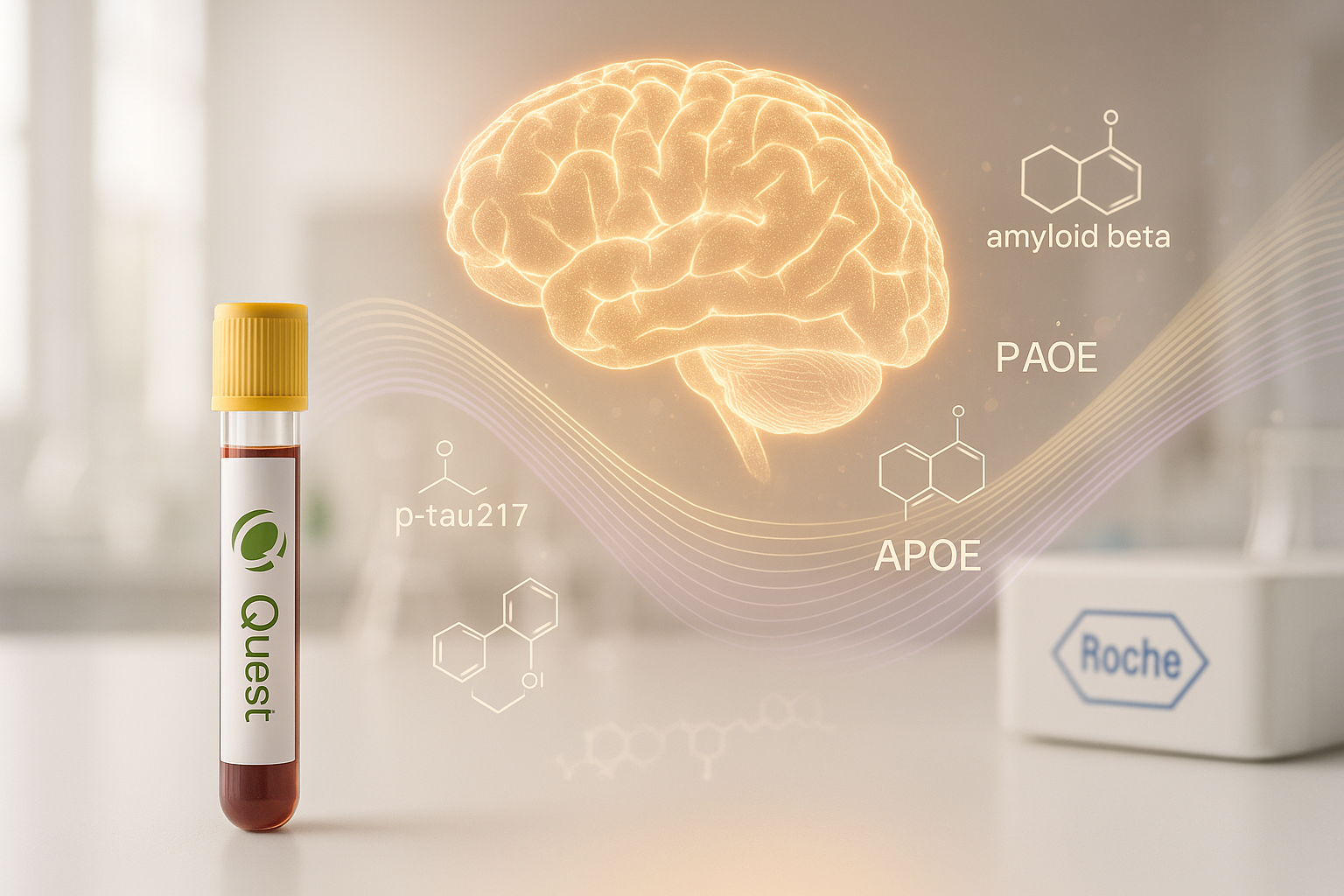
- Quest plans an advanced multi-biomarker panel by 2027, combining p-tau217, amyloid beta 42/40, and APOE genetics for sharper results.
- Major insurers like Anthem Blue Cross and Blue Shield are starting to cover blood-based Alzheimer’s tests, signaling a shift toward accessible, affordable diagnosis.
Blood Test Breaks Barriers
The FDA-cleared pTau217 blood test delivers PET scan-level accuracy for Alzheimer’s using a simple blood draw, enabling faster, more consistent diagnoses in everyday clinics nationwide.
The Roche Elecsys pTau217 blood test stands out as the first and only FDA-cleared single-biomarker assay capable of both ruling in and ruling out amyloid pathology associated with Alzheimer's disease, using standardized clinical cutoffs applicable across both primary care and specialty neurology settings. This uniform approach simplifies patient assessment and supports consistent diagnostic decision-making for individuals aged 55 and older presenting with cognitive decline, categorizing results into positive, intermediate, or negative likelihood of amyloid pathology to aid nuanced clinical evaluation.
By measuring phosphorylated Tau 217—a hallmark biomarker of Alzheimer's—the Elecsys pTau217 test offers a minimally invasive, blood-based alternative with diagnostic performance comparable to cerebrospinal fluid testing and costly amyloid PET imaging. This innovation reduces reliance on invasive lumbar punctures and expensive scans, enabling earlier triage and broader access to Alzheimer's pathology detection beyond specialized centers, potentially transforming clinical workflows in both neighborhood clinics and specialty care.
Designed to integrate seamlessly into existing laboratory infrastructure, the Elecsys pTau217 test runs on Roche’s installed base of over 4,500 cobas immunoassay instruments across U.S. clinical laboratories, facilitating rapid nationwide scaling without the need for new hardware investment. This compatibility accelerates adoption and expands access, addressing a critical diagnostic gap where an estimated 75% of people living with dementia remain undiagnosed and those diagnosed often face delays averaging 3.5 years after symptom onset.
While the Elecsys pTau217 test provides valuable biomarker data to aid in confirming or ruling out amyloid pathology, it is not intended as a stand-alone diagnostic tool and must be interpreted alongside other clinical information and diagnostic assessments. Moreover, it does not predict dementia progression nor monitor therapeutic effects, but by offering an accessible screening option upstream of PET or cerebrospinal fluid testing, it could streamline patient pathways to amyloid-targeting disease-modifying therapies, enhancing early treatment candidacy confirmation.
Quest’s Nationwide Brain Health Push
Quest Diagnostics is leveraging its vast network and new multi-biomarker panels to bring advanced, affordable Alzheimer’s diagnostics to mainstream healthcare, but faces near-term reimbursement headwinds.
Quest Diagnostics is strategically integrating the FDA-cleared Roche Elecsys pTau217 blood test into its AD-Detect® Alzheimer’s portfolio, launching it as a branded service in late 2026 and incorporating it into a proprietary multi-biomarker panel by 2027. This panel, which combines p-tau217 with amyloid beta 42/40 and APOE genetic risk markers, is designed to improve diagnostic sensitivity and specificity while reducing indeterminate results, reflecting Quest’s commitment to advancing blood-based Alzheimer’s diagnostics.
By leveraging its extensive nationwide network of approximately 2,000 patient service centers, physician offices, and mobile phlebotomy services, Quest aims to make these advanced Alzheimer’s tests more accessible and cost-effective compared to traditional diagnostic methods. This strategic expansion into blood-based testing aligns with Quest’s broader push into brain health and wellness diagnostics, targeting growth in higher-value test volumes and enhancing its market positioning in advanced diagnostic services.
While Quest’s expanded Alzheimer’s and wellness testing portfolio supports its long-term growth narrative by deepening its role in consumer-oriented and advanced brain health diagnostics, near-term financial impact may be limited. Industry challenges such as reimbursement pressures and pricing risks persist, suggesting that these new offerings will incrementally contribute to growth without dramatically shifting near-term execution or financial catalysts.
Policy Shifts Fuel Test Access
Major insurers and policy advocates are driving systemic change to make blood-based Alzheimer’s biomarker tests routine, signaling a turning point for early, equitable diagnosis.
The Milken Institute has been a vocal advocate for the broader integration of blood-based biomarkers into Alzheimer’s diagnosis, highlighting the urgent need for healthcare systems to overhaul reimbursement policies, laboratory infrastructure, clinical workflows, and provider education to make these tests routine. This comprehensive approach underscores that beyond scientific validation, systemic changes are critical to unlocking the full potential of blood biomarker testing in everyday clinical practice. Recent policy shifts, such as Anthem Blue Cross and Blue Shield’s decision to cover certain blood-based Alzheimer’s biomarker tests, signal a pivotal move toward aligning reimbursement with emerging diagnostic technologies, which could accelerate adoption and accessibility.
Blood-based biomarker testing represents a transformative leap in Alzheimer’s diagnostics by offering a scalable, minimally invasive, and more cost-effective alternative to traditional cerebrospinal fluid analysis or PET imaging. Advances in laboratory technology now enable detection of Alzheimer’s-associated biomarkers from simple blood draws, potentially democratizing early and accurate diagnosis for a broader patient population. This shift not only promises to reduce the logistical and financial barriers inherent in current diagnostic methods but also aligns with growing calls from policy and research institutions to expand access to timely Alzheimer’s detection.