School buses go high-tech: zūm’s AI, electric fleets tackle student anxiety and absenteeism

The gist
Zūm’s AI-powered, all-electric school bus fleets are slashing student anxiety and absenteeism, turning yellow buses into high-tech engines of educational equity and sustainability.
What to know
- By early 2026, Zūm’s Connected Mobility Experience (CMX) platform hit 5,000+ schools across 18 states, cutting transportation-related absenteeism by up to 86% and earning a 4.9-star parent rating.
- Backed by $430 million in funding, Zūm has replaced legacy buses with electric models that also stabilize the energy grid—redefining school buses as climate-friendly infrastructure assets.
- With $333 million in 2025 revenue and a $1.7 billion valuation, Zūm’s tech-driven approach is reshaping a consolidating student transportation industry long dominated by analog systems and missed rides.
Anxiety: The Hidden Barrier
Student transportation anxiety is costing billions in lost learning time each year, but real-time communication and transparent systems are finally turning bus rides into a foundation for educational success.
By early 2026, mounting evidence from national studies by Zum and NORC at the University of Chicago revealed that transportation-related anxiety affects over half of students, with 54% of parents reporting their children’s worry about school transit. This pervasive anxiety translates into staggering educational consequences, including 55 billion lost instructional minutes and an estimated $15 billion in annual losses, underscoring transportation anxiety as a critical barrier to consistent attendance and effective learning.
Recognizing that punctuality alone fails to capture student wellbeing, Zūm pioneered a shift from traditional on-time metrics to prioritizing the 'ready to learn' state, exemplified by Priya’s story where bus uncertainty fueled pre-test anxiety. This reframing highlights how reliable, transparent transportation systems not only reduce anxiety but also tangibly boost attendance and engagement, as demonstrated by Kansas City Public Schools’ 86% drop in transportation-related absenteeism and a 150% surge in extracurricular participation following Zūm CMX implementation.
Central to alleviating transportation anxiety is the deployment of technology that unifies families, schools, and drivers through real-time communication. Zūm CMX’s digital dashboards and instant notifications about driver substitutions and drop-off updates replace outdated methods, empowering families to plan confidently and stay informed, thereby transforming student mobility from a source of stress into a foundation for educational readiness and success.
AI Drives Trust and Efficiency
Zūm’s CMX platform unites routing, communication, and safety in one system, earning near-perfect parent ratings while shifting school transportation from a logistical headache to a board-level priority.
Zum’s Connected Mobility Experience (CMX) platform has revolutionized school transportation by integrating AI-driven routing, real-time tracking, and comprehensive stakeholder communication into a single, user-centric system. By early 2026, CMX was deployed across over 5,000 schools in 18 states, managing 139 million bus rides with an impressive 98% on-time performance. This technology not only enhances operational reliability and safety through features like real-time driver tablet notifications and automated standby driver assignments but also addresses the widespread 'Transportation Anxiety Crisis' among students by providing transparency and timely updates to parents, including non-English speakers, who have contributed 1.7 million ride ratings averaging 4.9 stars, fostering trust and reassurance.
The operational excellence driven by Zum’s CMX platform extends beyond safety and transparency to deliver measurable improvements in efficiency and cost-effectiveness. Districts leveraging CMX have reported significant reductions in transportation-related absenteeism—such as an 86% decrease in Kansas City Public Schools—alongside shorter ride times, consolidated routes, and freed-up capacity to better serve students with complex needs. This shift toward integrated technology platforms reflects a broader industry trend, with 98% of districts modernizing their transportation systems and 68% prioritizing technology as a critical strategy to optimize routing and control budgets, transforming routing from a back-office task into a boardroom priority.
Zum’s commitment to a parent-first experience is evident in its partnerships with districts like Stamford Public Schools, where CMX’s integrated platform combines modern buses, well-trained drivers, and AI-powered arrival estimates to reduce uncertainty and improve on-time performance. By connecting all stakeholders—students, parents, drivers, and districts—on one platform, Zum has transformed a traditionally overlooked system into a seamless, transparent operation that prioritizes safety and reliability, ultimately elevating parent satisfaction and student wellbeing across diverse communities.
The rapid scaling of Zum’s technology-driven operational model—from a modest $50,000 contract with Oakland Unified School District to managing multi-million dollar agreements with major districts like San Francisco Unified and Los Angeles USD—underscores the growing demand for innovative solutions in student transportation. This expansion highlights how Zum’s CMX platform not only meets but anticipates the evolving needs of school districts nationwide, positioning technology as the linchpin of modern, efficient, and safe student mobility.
Electric Buses, Greener Grids
Zūm’s electrified fleets aren’t just cutting emissions—they’re stabilizing the energy grid and redefining school buses as critical climate infrastructure.
By mid-2026, Zūm, under the leadership of founder Ritu Narayan, has been pioneering the electrification and digitization of student transportation, transforming outdated school bus fleets into smart, decarbonized infrastructure assets. This full-service platform not only integrates real-time data and route optimization but also replaces legacy vehicles with electric models, directly addressing both technological obsolescence and the pressing issue of carbon pollution in the US school transportation system.
Beyond reducing emissions, Zūm’s electric school bus fleets are innovatively leveraged to support energy grid stability, positioning student transportation as a critical player in sustainable mobility. Having raised $430 million to fuel this revolution, Narayan’s vision extends the role of school buses from mere transport vehicles to dynamic assets that contribute to energy resilience, showcasing a forward-thinking integration of clean transportation and grid technology.
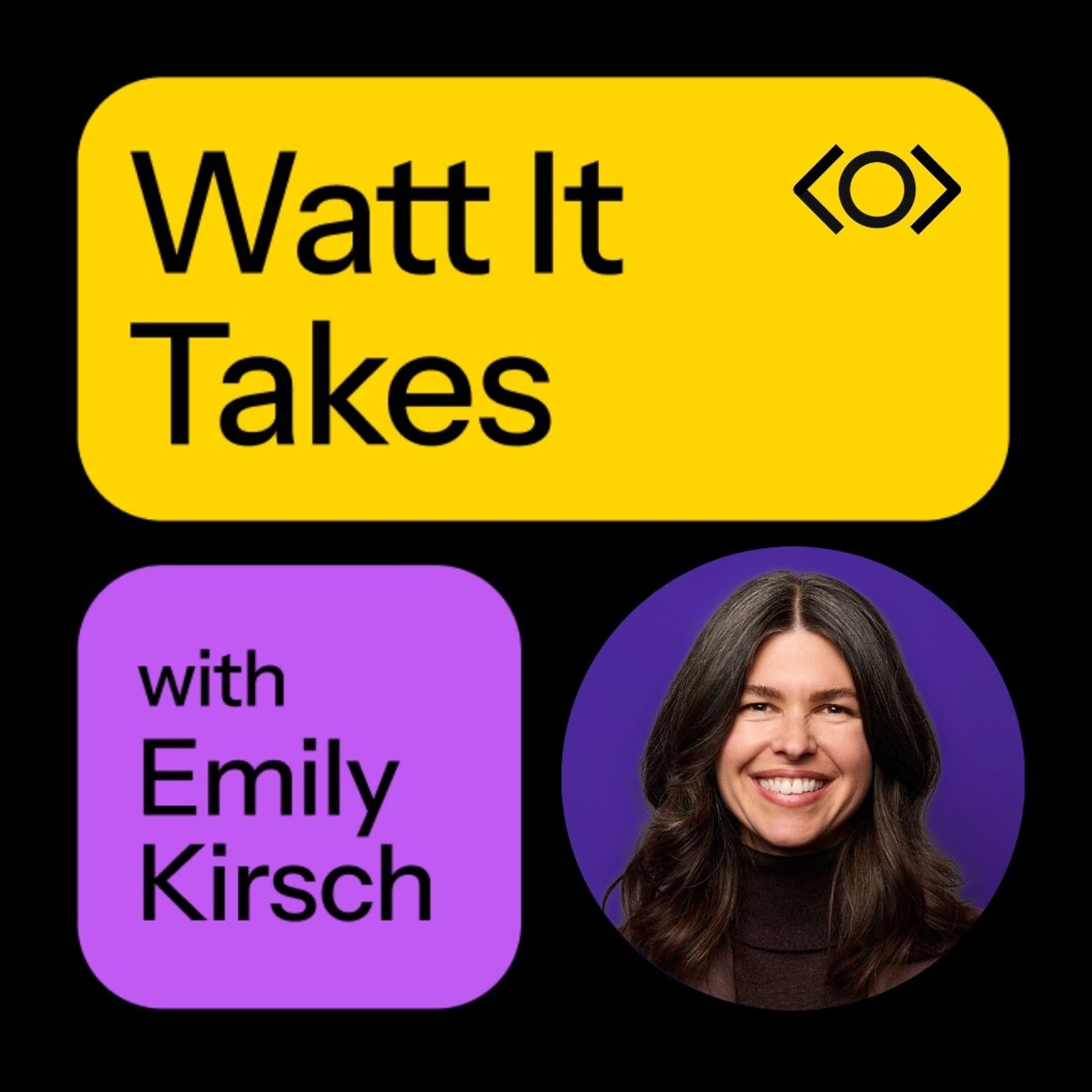

A Founder’s Relentless Vision
Ritu Narayan’s personal struggle and strategic resilience transformed Zūm from a Stanford project into a national force, proving that being an underdog can power industry-changing innovation.
Ritu Narayan's leadership has been the cornerstone of Zum's transformation into a pioneering student transportation technology platform, serving over 5,000 schools across 18 states by mid-2026. Her visionary approach not only modernized the sector through innovations like the Connected Mobility Experience and the nation’s largest electric school bus deployment but also reframed student transportation as critical infrastructure that enhances equity and educational access, earning her the prestigious EY Entrepreneur Of The Year® 2026 Bay Area Award.
Narayan’s journey from a personal challenge—struggling to coordinate reliable childcare while working at eBay—to founding Zum highlights how her lived experience fueled a mission-driven vision. Leveraging her rare position as one of few women in a male-dominated engineering program and her product expertise from Oracle, Yahoo, and eBay, she evolved Zum from a Stanford-incubated direct-to-parent rideshare into a comprehensive, electrified school district platform, reflecting her growth mindset and ambition to overhaul an overlooked public service.
Early fundraising proved daunting for Narayan, as investor skepticism rooted in Uber’s dominance blurred the unique care-provider and scheduled-ride model Zum championed. Facing only a month of runway during Series A, she demonstrated strategic resolve by rejecting a less favorable term sheet to partner with Sequoia, securing not just capital but a long-term ally aligned with Zum’s pursuit of excellence—a decision emblematic of her resilience and belief that being an underdog is a superpower driving the company’s rapid scale and innovation.

Districts Reimagine Bus Service
Major school districts are scrapping analog processes for Zūm’s integrated, tech-powered model—boosting attendance, parent trust, and student engagement at unprecedented scale.
By early 2026, Zūm’s Connected Mobility Experience (CMX) platform had revolutionized student transportation across multiple major districts, including Kansas City and Stamford, by integrating all stakeholders—students, parents, drivers, and schools—into a single, transparent system. This unified approach replaced outdated analog processes with real-time digital tools such as dynamic routing, AI-powered arrival estimates, and RFID tap-in safety notifications, which collectively enhanced on-time performance to over 98 percent and dramatically reduced transportation-related absenteeism by 86 percent in Kansas City. As Vivek Garg emphasized, reliable transportation that families can trust directly supports student readiness and success, underscoring the platform’s transformative impact on both operational efficiency and student wellbeing.
Zūm’s vertically integrated model—owning software, fleet management, and driver staffing—enabled rapid scalability and operational excellence, winning long-term contracts with large districts such as Oakland Unified, San Francisco Unified, and Los Angeles USD, with contracts growing from $50,000 to $150 million over five years. This comprehensive control allowed Zūm to implement well-trained personnel alongside cutting-edge technology, fostering a parent-first experience that prioritizes safety, transparency, and reduced uncertainty, as exemplified by Stamford Public Schools’ five-year partnership serving over 15,300 students starting in 2027–2028.
Beyond punctuality, Zūm’s focus on the 'ready to learn' metric addresses the often-overlooked transportation-related anxiety affecting 54 percent of students, which contributes to $15 billion in annual instructional losses. By improving reliability and communication, the CMX platform not only boosted attendance by 2.5 percent and doubled daily ridership in Kansas City but also increased participation in extracurricular activities by 150 percent, demonstrating how technology-driven transportation solutions can tangibly enhance student engagement and academic outcomes.
Operational transparency is further enhanced through Zūm’s real-time data collection and user-centric design, which equips dispatchers with color-coded dashboards for proactive management, drivers with navigational aids, and parents with instant updates on route changes or substitute drivers. This seamless integration of technology and human factors has garnered 1.7 million parent ride ratings averaging 4.9 stars, reflecting widespread trust and satisfaction with the transformed student transportation experience.

Industry Shakeup and Scale Wars
As private equity fuels consolidation, Zūm and rivals like First Student are racing to modernize fleets, deploy AI, and win billion-dollar contracts in a once-fragmented market.
By mid-2026, the student transportation industry is experiencing significant consolidation as large operators backed by infrastructure funds and private equity acquire smaller regional players, signaling a strategic shift toward modernization and scale. Zum exemplifies this transformation as a disruptive force, rapidly expanding to serve 4,500 schools across 17 states and achieving $333 million in revenue by 2025. This growth, coupled with $2 billion in contracts and EBITDA-adjusted break-even status, underscores Zum’s competitive strength in a traditionally fragmented market.
Zum’s positioning as 'the AWS of student mobility' through its Connected Mobility Experience (CMX) platform highlights its innovative approach to integrating technology with full-service operations, replacing outdated analog systems with a unified operating system that connects families, schools, and dispatchers. Meanwhile, established incumbents like First Student, now owned by Sweden’s EQT Infrastructure, are not standing still; they lead the market with 51,000 vehicles and advanced AI-enabled safety technologies such as the HALO platform, which contributed to their inclusion in TIME100 Most Influential Companies of 2026 alongside Samsara.
Industry recognition extends beyond Zum and First Student, reflecting a broader commitment to innovation and sustainability in student transportation. Zum’s $100 million funding round elevated its valuation to $1.7 billion and earned accolades from the Women Presidents Organization, while companies like The Mobility House and Geotab have been honored for pioneering electric vehicle charging infrastructure and AI-driven fleet management. Additionally, Lynch Bus Lines’ sustainable practices in Canadian student transportation further illustrate the sector’s evolving focus on environmental responsibility alongside technological advancement.