Sodium-ion surge: cold-proof batteries spark EV and grid revolution
The gist
Sodium-ion batteries are breaking out of the lab and into the limelight, powering electric vehicles and grid storage with cold-proof, fire-safe tech that’s ready to challenge lithium’s reign.
What to know
- CATL’s Naxtra sodium-ion batteries keep 90% capacity at –40°C and will hit EVs by mid-2026, solving winter woes that plague lithium-ion rivals.
- Major players like ESS Tech, Alsym, and Juniper Energy are rolling out non-flammable, U.S.-sourced sodium-ion grid storage—500 MWh in California’s Mojave Desert alone.
- Innovations from Hina and Ride1Up match or beat Tesla’s lithium-ion performance, while abundant sodium slashes supply and cost risks for the next battery revolution.
Cold-Proof Tech Breakthroughs
Sodium-ion batteries are setting new standards in cold-weather reliability and fast charging, but high costs and supply chain hurdles could stall mass adoption.
By early 2026, sodium-ion batteries have distinguished themselves with remarkable cold-weather resilience, exemplified by CATL's Naxtra technology which maintains stable operation down to –50°C and retains 90% capacity at –40°C, effectively addressing the winter range loss and slow charging issues that lithium-ion batteries struggle with. This superior low-temperature ion mobility not only enhances EV reliability in frigid climates but also signals a technological leap that could redefine battery performance standards in extreme environments. However, despite these promising lab results, experts caution that current manufacturing costs and an immature supply chain may confine sodium-ion batteries to niche markets unless real-world durability and pricing improve.
Innovations in sodium-ion battery design are rapidly advancing, with companies like CATL unveiling fast-charging technologies and condensed battery architectures that promise to boost charging speeds and overall efficiency. Concurrently, CBAK Energy’s Full-Tab Large Cylindrical cells demonstrate enhanced thermal management and safety, enabling sustained high-rate discharging and reducing operational risks for urban electric mobility fleets. These developments underscore a broader trend toward optimizing battery lifespan and performance, as evidenced by targets of 8 to 10 years of service life and over 2,500 charge cycles, which not only lower total cost of ownership but also enhance second-life application potential.
The emergence of semi-solid state sodium-ion batteries, such as Ride1Up’s Revv1 EVO e-bike battery, marks a significant technological breakthrough by combining longer lifespan—up to a decade—with faster charging times around two hours, improved safety, and superior cold-weather performance. This innovation could reshape consumer expectations in micromobility by delivering durable, efficient, and safer alternatives to traditional lithium-ion cells, highlighting sodium-ion chemistry’s versatility beyond large-scale EV and stationary storage applications.
Sodium-ion batteries are increasingly seen as viable low-cost rivals to Tesla’s lithium-ion cells, with designs like Hina’s featuring tabless double-aluminum current collectors that reduce resistance and ensure uniform temperature distribution, mirroring Tesla’s advanced battery architecture. While current challenges remain—such as lower energy density and difficulties with low-temperature charging—ongoing innovations targeting nickel- and copper-free cathodes, optimized hard-carbon anodes, and improved electrolyte formulations promise to elevate performance. Coupled with sodium’s abundant availability, these advances could significantly reduce raw material costs and supply chain vulnerabilities, positioning sodium-ion technology as a sustainable and economically attractive option for EVs and grid storage.





Strategic Grid Partnerships
Major alliances like ESS Tech and Alsym Energy are scaling non-flammable sodium-ion batteries for grid storage, leveraging AI-driven design and U.S. supply chains to tackle reliability and safety.
The partnership between ESS Tech and Alsym Energy marks a significant milestone in commercializing sodium-ion battery technology for energy storage, integrating 8.5 GWh of non-flammable, short- and medium-duration battery systems into ESS's portfolio. By combining Alsym's sodium-ion batteries—which eliminate thermal runaway risks and reduce system complexity—with ESS's iron flow systems optimized for long-duration storage, the collaboration addresses a broad spectrum of utility, commercial, and industrial energy needs. Leveraging Alsym's AI-driven battery development platform, this alliance exemplifies a strategic push toward sustainable, scalable, and supply-secure energy solutions.
Alsym Energy's partnership with Juniper Energy to deploy 500 MWh of domestically sourced sodium-ion battery storage in California underscores the growing commercial appetite for safer, cost-effective alternatives to lithium-ion technology. Operating without active cooling and resistant to thermal runaway, Alsym's Na-Series batteries reduce capital and maintenance costs while thriving in harsh environments like the Mojave Desert. This deployment not only supports California's ambitious energy transition goals by enhancing grid reliability with fast-charging, long-duration storage but also strategically mitigates supply chain risks and maximizes tax incentives through domestic sourcing.
CATL's deepened 15-year collaboration with Yutong exemplifies a robust strategic alliance accelerating the global expansion of commercial electric vehicles and battery-swapping infrastructure for heavy-duty trucks. As Yutong's exclusive battery supplier, CATL ensures priority supply and optimal pricing, reinforcing an integrated supply chain that supports large-scale deployment. Their joint launch of a long-life battery boasting a 15-year lifespan since 2024, combined with CATL's commanding 40.7% share of the global EV battery market by early 2026 and plans to expand sodium-ion capacity, signals a strong commercial commitment to durable and innovative battery solutions.
Jungheinrich's real-world trials of sodium-ion batteries in materials handling equipment highlight a growing industry trend toward sustainable, cost-effective alternatives to lithium-ion technology. By collaborating with international cell manufacturers and research partners, Jungheinrich is optimizing sodium-ion batteries—leveraging abundant raw materials like sodium from sea salt and avoiding critical elements such as lithium and cobalt—for intralogistics applications. This strategic approach not only validates performance and reliability across diverse conditions but also reflects a broader commercial interest in integrating sodium-ion technology into practical, high-demand sectors.


Winter-Ready EVs and E-Bikes
Sodium-ion chemistry is powering a new wave of electric vehicles and micromobility with better cold performance, longer lifespan, and safer, faster charging—if costs can come down.
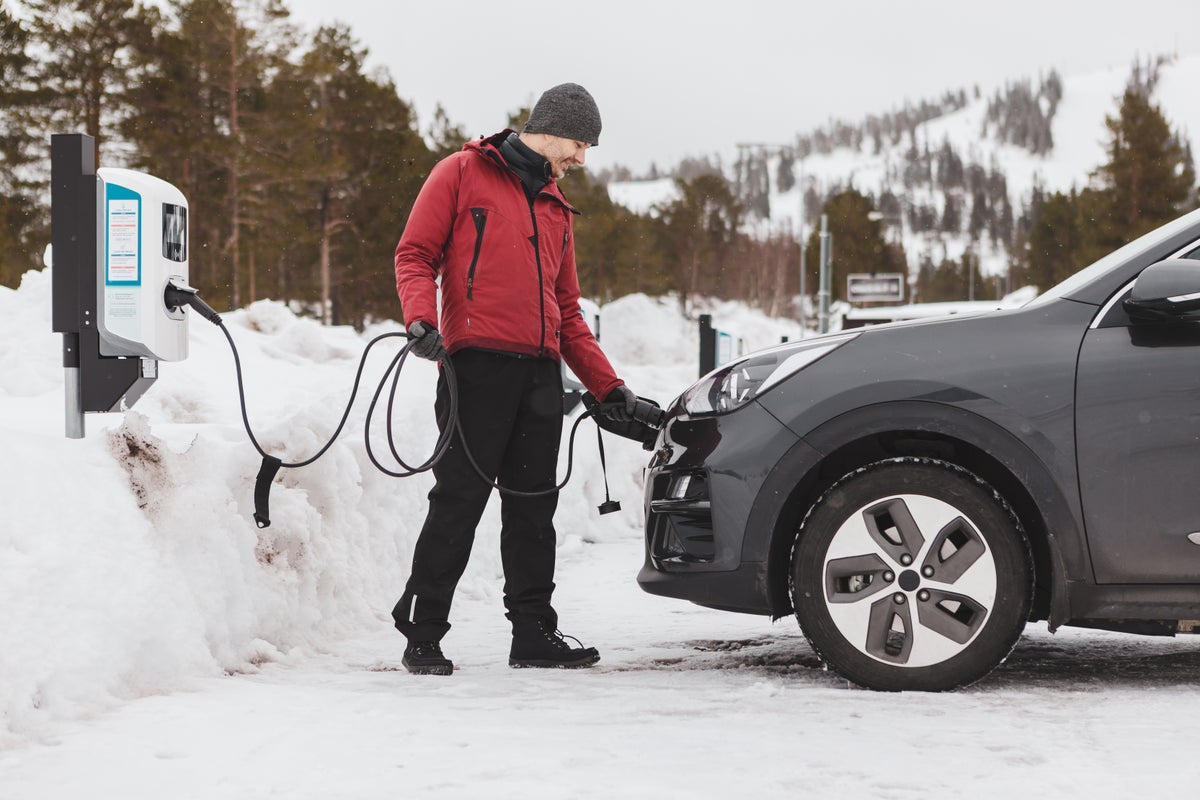
Sodium-ion batteries are carving out a niche in electric vehicles by addressing critical challenges posed by extreme cold climates. CATL’s Naxtra battery, slated for deployment in mid-2026 EVs by CATL and Changan in China, promises stable performance down to –50°C, outperforming lithium iron phosphate batteries in cold-weather discharge and charging due to more mobile sodium ions. However, despite these promising lab results, experts caution that higher manufacturing costs and an immature supply chain currently limit broader adoption, suggesting that real-world road performance and cost reductions will be pivotal for sodium-ion batteries to move beyond niche winterproofing applications.
In the realm of grid-scale energy storage, sodium-ion batteries are emerging as a safe, efficient, and scalable solution for short- and medium-duration applications. ESS Tech’s partnership with Alsym Energy to integrate 8.5 GWh of non-flammable sodium-ion technology exemplifies this trend, leveraging Alsym’s batteries that eliminate thermal runaway risks and reduce system complexity by removing the need for active cooling. This collaboration allows ESS to offer a comprehensive energy storage platform combining sodium-ion for shorter durations with iron flow batteries for long-duration needs, thereby enhancing grid reliability and economic viability, particularly in challenging environments like California’s Mojave Desert.
Sodium-ion batteries are gaining traction in micromobility and commercial vehicle sectors by offering a cost-effective, performance-advantaged alternative to lithium-ion technology. For e-bikes, companies like CATL are investing heavily in sodium-ion batteries that deliver lower material costs, faster charging, better cold-weather performance, and improved thermal stability, potentially making micromobility more affordable and reliable. Innovations such as Ride1Up’s Revv1 EVO e-bike, powered by a semi-solid state battery, further highlight advancements that extend lifespan to around 10 years and enhance safety, signaling a shift in battery expectations for micromobility.
Sodium-ion batteries are also being trialed in commercial and industrial vehicles, particularly materials handling equipment, where their safety, cost-effectiveness, and performance in extreme temperatures align with operational demands. Jungheinrich’s ongoing trials with international partners underscore the technology’s potential to replace lithium-ion batteries by leveraging abundant raw materials like sea salt-derived sodium and avoiding critical elements such as lithium and cobalt. This collaboration aims to optimize sodium-ion technology for intralogistics, supporting sustainable and high-performance solutions in commercial vehicle applications.
Hina’s Tesla Rivalry
Chinese innovators like Hina are matching Tesla’s battery performance with sodium-ion designs that cut costs and supply risks, thanks to advanced features and abundant raw materials.
By mid-2026, sodium-ion batteries, particularly those designed by Hina and deployed extensively in China, have emerged as a compelling low-cost and supply-secure alternative to Tesla's lithium-ion technology. Matching Tesla's batteries in key performance metrics and production quality, Hina's design incorporates advanced features like a tabless, double-aluminum current collector that reduces resistance and ensures uniform temperature distribution, mirroring Tesla's own innovations. This technological parity positions sodium-ion batteries not only as cost-effective contenders but also as strategically competitive players in the EV and energy storage markets.
The abundant availability of sodium offers a significant strategic advantage by lowering raw material costs and mitigating supply chain vulnerabilities inherent in lithium sourcing. Experts like Moritz Schütte highlight that sodium-ion batteries' combination of uniformity, high power capability, and robust low-temperature performance makes them especially attractive for stationary storage, grid services, and commercial vehicles where cost and resource security outweigh the need for maximum driving range. However, challenges remain with low-temperature charging efficiency, prompting ongoing research focused on enhancing safe and efficient charging below 0 °C to broaden application potential.
Supply Chain Advantage
Sodium’s abundance slashes raw material costs and reduces sourcing risks, making sodium-ion batteries a strategic favorite for grid storage and commercial fleets despite ongoing charging challenges.
Sodium’s abundance slashes raw material costs and reduces sourcing risks, making sodium-ion batteries a strategic favorite for grid storage and commercial fleets despite ongoing charging challenges.