Sony’s digital-only PlayStation pivot sparks uproar over lost ownership and game preservation
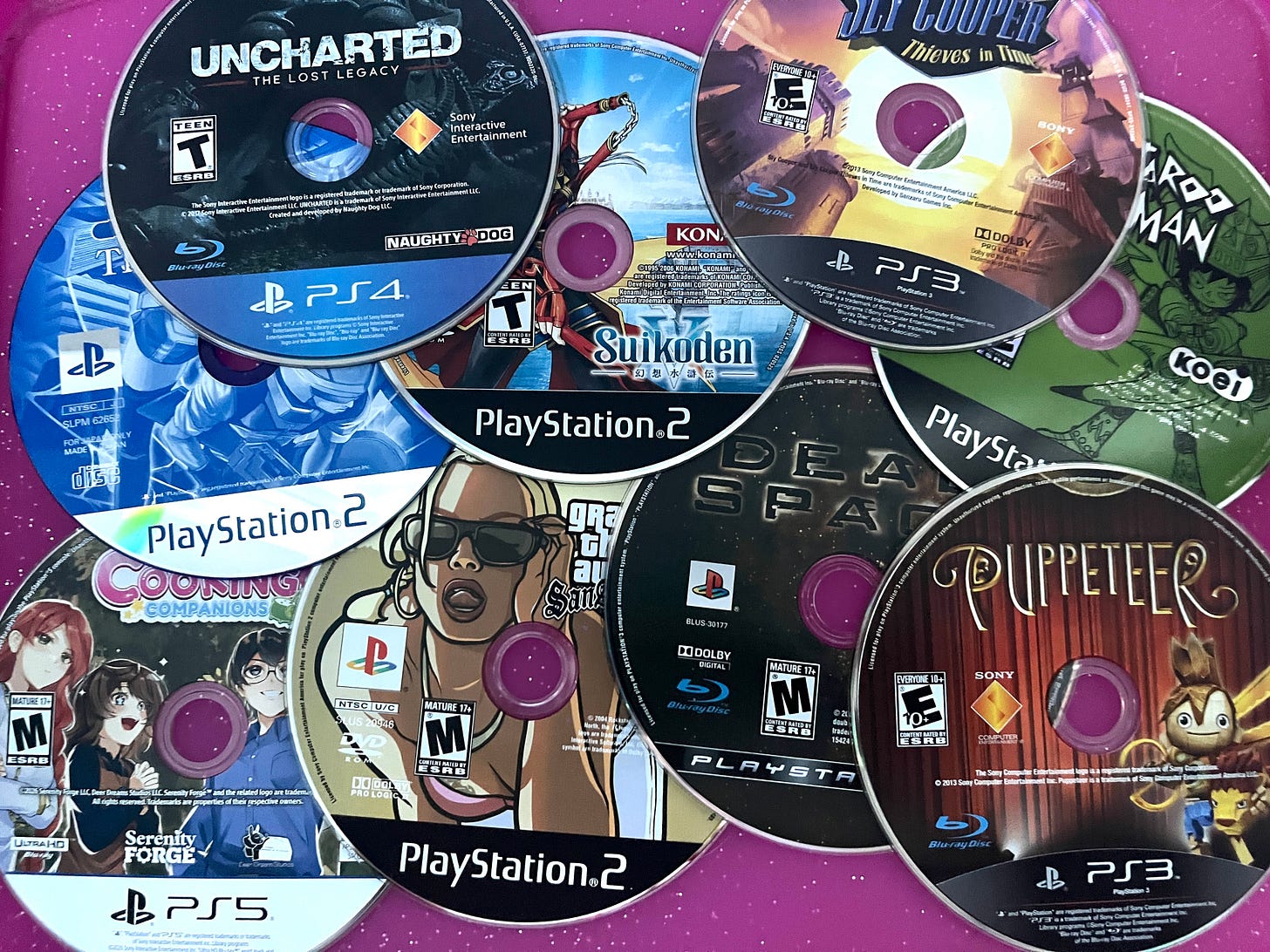
The gist
Sony's bold move to kill physical PlayStation discs by 2028 has ignited a firestorm over digital ownership, game preservation, and the future of what it means to truly 'own' your games.
What to know
- Sony will stop making physical PlayStation game discs by January 2028, with the PlayStation 6 going fully digital—no disc drive in sight.
- Shutting down the PS3 and PS Vita digital stores by mid-2027 puts hundreds of legacy games at risk of disappearing for good.
- Retailers and advocacy groups like Stop Killing Games are fighting back, warning that digital-only means higher costs, lost resale rights, and zero guarantees your purchases stay yours.
The End of Discs
Sony’s digital-first strategy marks a historic break from physical media, reshaping the gaming landscape and risking the erasure of legacy titles as industry giants abandon discs entirely.
Sony's announcement to cease production of physical PlayStation game discs by January 2028 marks a definitive strategic pivot toward a fully digital gaming ecosystem, driven by evolving consumer preferences and technological trends. With digital downloads accounting for 85% of full game software sales in 2025, Sony is aligning its product strategy to reduce console costs and physical waste, as evidenced by the PlayStation 6's likely launch without a disc drive. This transition also reflects broader industry patterns, where physical media increasingly serves as a mere stub or download prompt rather than a complete game, exemplified by Nintendo Switch 2's game-key cards and titles like 007: First Light requiring substantial downloads despite disc packaging.
The simultaneous shutdown of the PlayStation 3 and PS Vita digital stores by mid-2027 underscores Sony's accelerated digital transformation but also highlights the challenges of maintaining legacy content in a digital-only future. These older consoles' incompatibility with modern commerce and payment systems necessitates this closure, yet it raises significant concerns about game preservation and consumer access to legacy titles. As critics note, 'once the stores are gone, so are the games,' spotlighting the limitations of digital distribution in safeguarding gaming history even as the industry embraces digital dominance.
Sony’s strategic shift away from physical media is not only a response to declining consumer interest and rising production costs but also a reflection of a broader industry consensus that gaming consoles are among the last consumer electronics to retain disc drives. Phil Spencer, former head of Xbox, observed that the industry is 'really just following what the customers are doing,' as digital storefronts flourish and physical media becomes increasingly obsolete. This trend is further underscored by major upcoming titles like Grand Theft Auto VI launching without disc-based versions, signaling a full embrace of digital distribution across the sector.
While Sony’s 2028 end to physical PlayStation discs signals a major product strategy pivot emphasizing digital media’s dominance, it has ignited fierce consumer debate over game ownership and preservation. The concurrent announcements about discontinuing physical media and closing older digital stores highlight the growing importance—and limitations—of physical formats in ensuring long-term access to gaming content. This dual move illustrates the tension between innovation and legacy, as Sony consolidates its digital offerings but faces backlash from consumers concerned about the permanence and control of their game libraries.




Digital Ownership Dilemma
Shifting from discs to downloads exposes gamers to revoked purchases, lost resale rights, and the harsh reality that digital games can vanish without warning or compensation.
Sony’s decision to phase out physical PlayStation game discs by 2028, coupled with the shutdown of digital stores for legacy consoles like the PS3 and Vita, starkly exposes the fragility of digital ownership. As seen with the removal of Studio Canal movies from PlayStation libraries without refunds, consumers face the unsettling reality that digital purchases are more akin to licenses than owned assets, vulnerable to sudden revocation due to licensing issues or store closures. This shift fundamentally challenges the traditional notion of ownership, where physical discs symbolized permanence and control.
The elimination of physical media not only erodes gamers’ rights to lend, trade, or resell games but also raises the financial and accessibility barriers for consumers. Physical discs historically enabled game sharing and lowered entry costs through used sales, benefits now lost in an all-digital ecosystem where games are tied to accounts and cannot be transferred. Retailers like Game have condemned Sony’s move, warning it threatens their viability and has sparked consumer advocacy groups such as Stop Killing Games, while voices like Pink Gorilla Games’ Cody Spencer lament the loss of ownership and community flexibility.
While Sony justifies the digital-only transition by citing consumer preference trends—Sid Shuman notes digital media significantly outpaces physical discs—this overlooks practical challenges for many gamers. Despite digital downloads allowing offline play post-installation, inconsistent internet access remains a barrier, and the disappearance of physical discs removes a tangible product that collectors and preservationists rely on. Even physical boxes will persist only as shells containing digital codes, fundamentally altering the traditional ownership experience and complicating game preservation efforts.
Ultimately, Sony’s digital-only strategy raises the overall cost of entry into the PlayStation ecosystem by eliminating the option to purchase used or physical copies, which historically helped lower upfront expenses. This transition turns a once-collectible shelf of games into a fragile collection of licenses susceptible to revocation, increasing financial risk for consumers. Calls from retailers for subscription cancellations as a form of protest underscore growing consumer dissatisfaction and the broader industry fallout from this shift.

Preservation on the Brink
With store shutdowns and licensing expirations, both games and movies are at risk of disappearing forever from digital libraries, leaving consumers powerless and history vulnerable.
Sony's removal of 551 StudioCanal films, including popular titles like John Wick and Paddington, from PlayStation digital libraries in several European countries by September 2026 starkly illustrates the fragility of digital media preservation. This action, driven by licensing expirations, leaves consumers without refunds or guarantees of continued access, reigniting debates over the nature of digital ownership where purchases are effectively revocable licenses rather than permanent acquisitions.
The planned global shutdown of the PS3 and PS Vita digital stores by July 2027, with phased closures beginning in August 2026 in Latin America and the Middle East, highlights a significant preservation challenge for legacy gaming content. Although users will retain the ability to download previously purchased games 'for the foreseeable future,' the cessation of new purchases combined with these older systems' incompatibility with modern payment infrastructures signals a looming digital access cliff for legacy platforms.
Sony’s simultaneous decision to cease physical PlayStation game disc production by 2028 compounds the risks to long-term game preservation and consumer ownership rights. As the company pivots fully to digital sales, the absence of physical media removes a critical safeguard against losing access to games, since digital-only availability depends entirely on the continued operation of online stores—once these shutter, so too does access to the content, underscoring why 'physical media matters' in preserving gaming history.

Retailer and Fan Rebellion
Retailers and advocacy groups are mounting fierce resistance to Sony’s digital pivot, warning it threatens not just business models but the very concept of game ownership.
Sony’s decision to eliminate physical PlayStation game discs has ignited fierce opposition from video game retailers and preservationists alike, who view the move as a direct threat to both their livelihoods and consumer rights. Retailers such as Game have vocally condemned the shift, emphasizing the critical importance of physical game ownership for resale, sharing, and long-term access. Cody Spencer, co-owner of Pink Gorilla Games, lamented the loss, stating, "This decision is only a negative for gamers. We're losing the ability to sell games, to share games, and to own games," underscoring the profound impact on the gaming ecosystem beyond just convenience.
In response to Sony’s digital-only pivot, organized resistance movements have rapidly coalesced, rallying around the defense of game ownership rights and broader consumer protections. Groups like Stop Killing Games have emerged as vocal advocates against the erosion of physical media, while retailers such as Loot Box Gaming have encouraged consumers to cancel subscriptions as a form of financial protest. This coordinated pushback reflects deep concerns not only about consumer choice but also about the survival of independent retailers and preservationists striving to maintain gaming’s accessibility and cultural heritage.
Industry-Wide Digital Shift
Rising costs and consumer trends are pushing all major console makers to ditch discs, as even new physical releases now serve as little more than download tokens.
Sony’s decision to launch a disc-free PlayStation 6 epitomizes a broader industry pivot away from physical media, driven by both economic and technological factors. As Phil Spencer highlighted, gaming consoles remain among the last consumer electronics to feature disc drives, which are becoming increasingly costly and scarce due to a shrinking supplier base. This trend is mirrored by other major players like Microsoft and Nintendo, who have embraced disc-less or cartridge-based systems—such as the disc-less Xbox Series S and Nintendo Switch 2’s game-key cards—signaling a widespread industry consensus that physical discs are becoming obsolete.
The acceleration toward digital distribution has been turbocharged by shifting consumer habits and the pandemic’s impact, with digital downloads now the norm rather than the exception. Sony’s internal data reveals that while PlayStation game downloads were rare a decade ago, they have become standard practice, paralleling the PC gaming ecosystem where platforms like Steam have long rendered physical copies nearly irrelevant. This evolution is further underscored by the fact that even disc-based games increasingly rely on substantial downloads for full content—exemplified by titles like 007: First Light, which includes only the first mission on disc, and Grand Theft Auto VI, which will forego a disc release entirely—highlighting the diminishing role of physical media in game consumption.