Space mirror plan sparks night sky and ecological uproar
The gist
A massive plan to launch 50,000 sunlight-reflecting satellites has astronomers, environmentalists, and public health experts warning of permanent changes to the night sky—and risks regulators are ignoring.
What to know
- The FCC greenlit Reflect Orbital’s Eärendil-1 satellite fleet in July 2026, focusing only on radio spectrum and debris, not light pollution or ecological impact.
- Scientists say these 'space mirrors' will outshine stars, threaten astronomical research, and could cause permanent eye damage to anyone caught in the reflected glare.
- Environmental groups like Earthjustice demand a full federal review, citing risks to wildlife, human sleep, and atmospheric pollution—issues the FCC left unchecked.
Regulatory Blind Spots Exposed
The FCC’s narrow focus on radio spectrum left the sweeping optical and ecological threats of space mirrors unchecked, creating a major oversight in satellite governance.
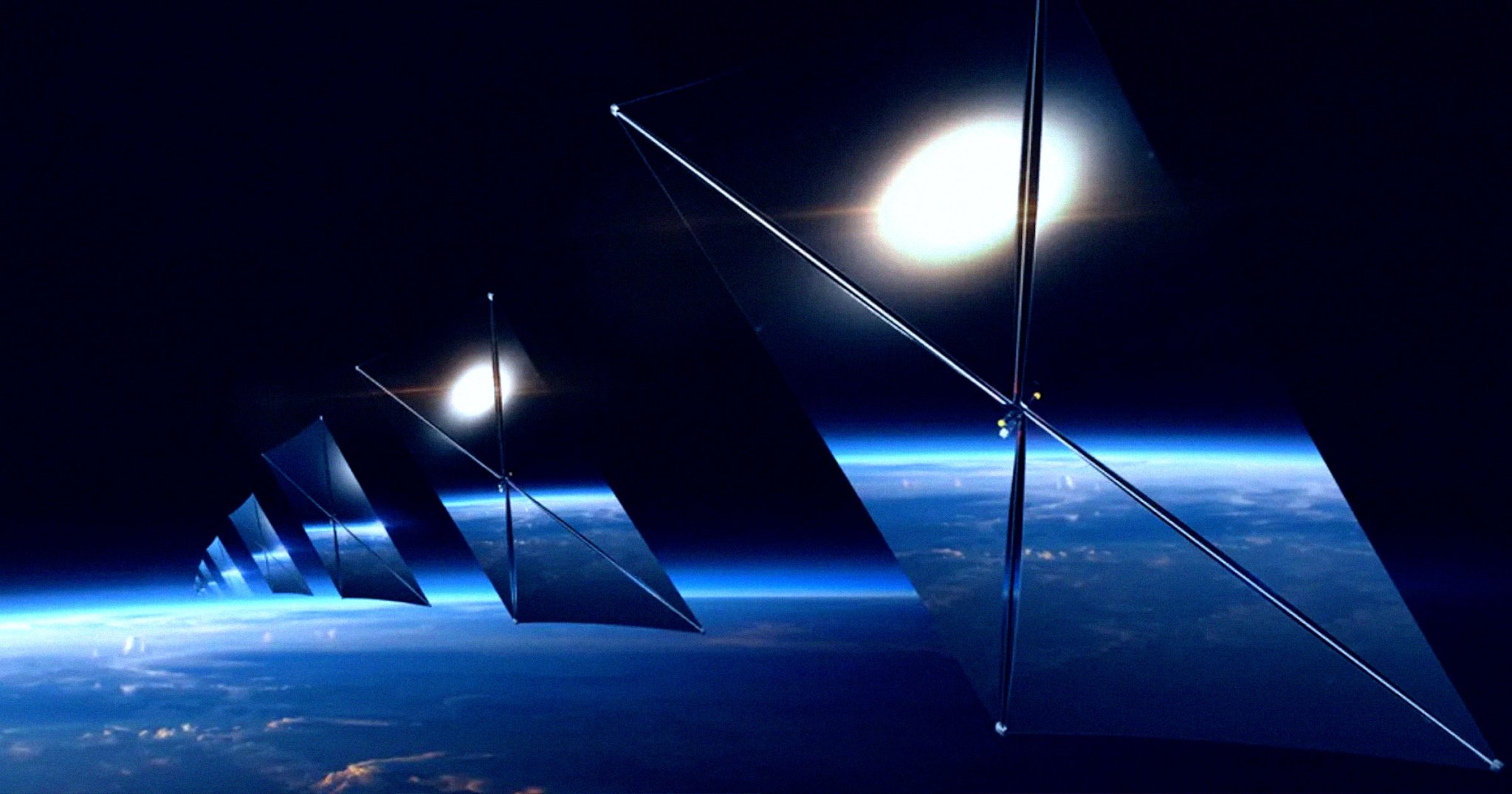
In July 2026, the FCC granted approval for Reflect Orbital’s Eärendil-1 satellite, a pioneering step toward deploying a fleet of up to 50,000 sunlight-reflecting satellites designed to provide 'sunlight on demand' for uses ranging from extending solar power generation to emergency response. However, this regulatory greenlight was narrowly focused on radio communications and debris mitigation, deliberately excluding oversight of the satellite's optical effects or broader environmental impacts. The FCC explicitly stated that its mandate is confined to spectrum management, leaving a significant regulatory gap concerning the ecological and scientific consequences of these space mirrors.


Night Sky Faces Extinction
A planned ring of 50,000 space mirrors threatens to permanently outshine natural stars, crippling astronomical science and disrupting wildlife on a global scale.
By mid-2026, astronomers and scientific organizations like the American Astronomical Society raised alarms over Reflect Orbital’s Eärendil-1 sun mirror and the broader plan to launch tens of thousands of sunlight-reflecting satellites, warning these could create an artificial 'Saturn’s ring' around Earth. Hugh Lewis and Samantha Lawler highlighted that this luminous band, orbiting along the terminator line to maintain constant sunlight, would outshine and outnumber visible stars, appearing twice daily and brightening the night sky for hours after setting. Such persistent brightness threatens to render traditional astronomical observations obsolete and severely diminish the effectiveness of taxpayer-funded telescopes, especially during critical winter observation windows.
Beyond astronomical disruption, these orbital sunlight satellites pose significant ecological and human health risks. Chronobiologists warned that the large-scale deployment would alter the planet’s natural nighttime light environment on a planetary scale, potentially disturbing wildlife circadian rhythms and migratory patterns. Moreover, experts including Robert Massey of the Royal Astronomical Society cautioned that the intense reflected sunlight could cause permanent eye damage to amateur astronomers, with the FCC receiving nearly 2,000 public comments expressing concern. The lack of adequate warnings about satellite visibility and uncontrollable atmospheric variables like light scattering further exacerbate these risks, raising public safety and ecological disruption alarms.
The regulatory framework has struggled to keep pace with these emerging threats, as the FCC’s approval of Reflect Orbital’s Eärendil-1 focused narrowly on radio spectrum management and debris mitigation, neglecting broader environmental, optical, and scientific impacts. This jurisdictional gap leaves critical concerns about night sky preservation and ecological safety unaddressed, prompting experts like Massey to describe the approval as 'extraordinary' given the potential to compromise humanity’s shared heritage of the natural night sky. Meanwhile, the rapid proliferation of low Earth orbit satellites, especially at lower altitudes where they appear brighter, intensifies the cumulative impact on both astronomical research and natural ecosystems.
Eye Safety Ignored in Orbit
Despite warnings of permanent eye damage and thousands of public concerns, regulators dismissed the risks of accidental exposure to intense reflected sunlight from these satellites.
The approval of Reflect Orbital’s Eärendil-1 sun mirror satellite has ignited serious human health concerns, particularly regarding eye safety. Experts including Robert Massey, deputy executive director of the Royal Astronomical Society, warn that looking directly at sunlight reflected from the satellite could cause permanent eye damage comparable to staring at the Sun during a total eclipse, a risk known for decades but largely unaddressed in regulatory decisions. Despite nearly 2,000 public comments highlighting these dangers, the FCC dismissed eye safety concerns as 'irrelevant' to the satellite’s innovative testing benefits, leaving astronomers and the public vulnerable to inadvertent exposure without adequate warnings or tracking information.
Beyond direct eye hazards, the deployment of sunlight-reflecting satellites like Eärendil-1 raises broader public safety and environmental issues that remain outside the FCC’s regulatory scope. The agency’s mandate focuses narrowly on spectrum management and debris mitigation, neglecting optical and ecological impacts, which experts argue is a critical oversight. Chronobiologists warn that altering the natural night-time light environment on a planetary scale could disrupt human sleep patterns and migratory species’ circadian rhythms, while the Air Line Pilots Association has flagged potential air safety risks from the unpredictable reflections. This regulatory gap leaves significant health and safety concerns unmitigated as the technology advances.
The unpredictable orbital paths of these space mirrors exacerbate the risk of accidental harmful exposure, especially for amateur astronomers who lack reliable information on when and where the satellites will appear. Without transparency or warning systems, the chance of inadvertent gazing into concentrated reflected sunlight increases, compounding the eye safety risks already highlighted by scientific groups. This unpredictability not only threatens individual health but also jeopardizes humanity’s shared cultural heritage of an unspoiled night sky, as emphasized by Massey, who underscores the profound loss that such artificial illumination could impose on stargazing traditions worldwide.

Environmental Lawsuits Mount
Earthjustice and allies are demanding a halt to satellite megaconstellations, citing catastrophic pollution and regulatory evasion by tech giants pushing unchecked orbital expansion.
By mid-2026, environmental advocacy groups led by Earthjustice have mounted a robust challenge against the FCC’s licensing of massive satellite constellations proposed by SpaceX and Blue Origin, urging a halt or delay until comprehensive environmental assessments are conducted. Their coalition insists on a Programmatic Environmental Impact Statement (PEIS) under NEPA, arguing that current regulatory reviews inadequately address the cumulative and long-term ecological consequences of deploying over one million orbital data center satellites.
The core tension highlighted by these petitions lies between the rapid pace of technological innovation in space-based data services and the imperative of environmental protection through rigorous oversight. While proponents tout their satellite projects as civilization-changing, they have notably resisted engaging in environmental impact inquiries, raising concerns about transparency and accountability in assessing risks to climate, ozone, and human health.
Scientific warnings underscore the potential for catastrophic atmospheric pollution from the satellite constellations, including heavy metals, noxious gases, and carbon particles contaminating the stratosphere. Despite these grave risks, companies helmed by tech and aerospace billionaires have failed to provide satisfactory mitigation plans, prompting calls for the FCC to investigate possible violations of federal environmental laws under regulations like 47 CFR 1.1307.