SpaceX IPO frenzy spurs AI giants to hit pause on debuts
The gist
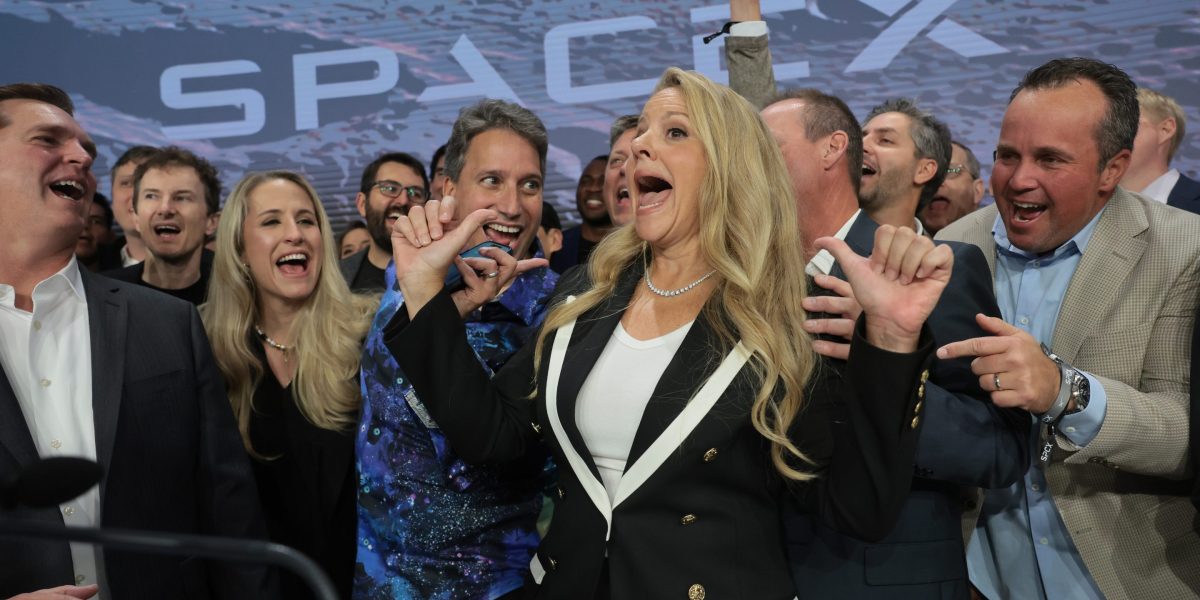
SpaceX’s $75 billion IPO rollercoaster has sent shockwaves through the tech market, forcing AI giants like Anthropic and OpenAI to slam the brakes on their own public debuts amid investor whiplash.
What to know
- SpaceX’s IPO hit a $2 trillion valuation but saw wild price swings, making investors skittish about backing the next wave of AI listings.
- AI leaders Anthropic and OpenAI are under huge financial pressure—Anthropic rushed a confidential IPO filing just 72 hours after a private round, while OpenAI is staring down a projected $14 billion loss for 2026.
- Elon Musk’s 30% retail allocation in SpaceX’s IPO opened the floodgates for everyday investors, fueling a sector-wide capital rotation from energy and crypto into AI, space, and clean tech stocks.
IPO Volatility Reshapes Tech
SpaceX’s wild post-IPO swings and sky-high valuations have made AI giants like Anthropic and OpenAI rethink going public, as founders weigh the risks of market timing and public scrutiny against their need for cash.
The 2026 tech IPO market has been dramatically shaped by mega listings such as SpaceX and Anthropic, whose valuations and debut performances have sparked intense debate and volatility. SpaceX’s IPO, which raised $75 billion at an eye-watering $2 trillion valuation with revenue multiples exceeding 100x, opened strong but quickly succumbed to sharp price swings—peaking at $225 before falling below its $135 offering price within weeks. This extreme volatility has cast a shadow over subsequent AI IPOs, with Anthropic and OpenAI reconsidering or delaying their public debuts amid fears that the timing risks could undermine investor enthusiasm and market reception.
Despite the turbulence, investor sentiment remains cautiously optimistic, buoyed by early gains for many IPO participants and a broader hunger for exposure to transformative technologies. Elon Musk’s decision to allocate 30% of SpaceX’s IPO shares to retail investors marks a notable democratization of access, potentially broadening the investor base and softening sentiment. Yet, the market grapples with the challenge of pricing these complex conglomerates accurately—SpaceX’s hybrid hardware-software business model, for example, defies traditional valuation norms, fueling skepticism and calls for patience as investors await clearer cash flow trends and commercial milestones like Starship’s operational progress.
The mega IPO surge underscores a paradox in the AI and tech sectors: while rapid fundraising and sky-high valuations signal confidence in long-term growth, they also introduce significant internal and market risks. AI firms like Anthropic have rushed to file IPOs mere days after massive private rounds, reflecting an insatiable capital appetite but also exposing companies to distracting stock price volatility and heightened public scrutiny over profitability. This dynamic complicates timing decisions, as founders who most believe in their technology’s transformative potential often hesitate to lock in valuations prematurely, while others seek to crystallize value before disruptive shifts reshape the landscape.
Looking ahead, the mega IPO phenomenon is expected to continue driving market volatility and investor caution, with key catalysts such as lock-up expirations, earnings reports, and competitive pressures from rivals like Kuiper and OneWeb poised to influence share price trajectories. Analysts advise an active waiting strategy rather than chasing initial hype, highlighting alternative investment opportunities in the broader space sector that offer more balanced risk-reward profiles. This evolving landscape reflects a maturing market grappling with the tension between lofty expectations and the practical realities of delivering sustained growth amid unprecedented scale and complexity.


AI IPOs Face Cash Crunch
AI companies are racing to public markets not by choice but out of financial desperation, with massive losses, soaring costs, and fierce competition for top-tier underwriters threatening their stability and future growth.
AI firms preparing for IPOs in 2026 face fierce competition for top-tier investment banking support and must navigate a fundraising landscape dominated by mega IPOs like SpaceX and Anthropic. Mid-tier companies struggle to secure underwriting from the 'A-squad' banks, often relegated to less prestigious teams, which complicates their public market entry and heightens operational strain as they fight for investor attention amid a record $412.7 billion deployed by U.S. VCs that rarely trickles down beyond the largest players.
The operational challenges of AI companies are compounded by massive cash burn driven by compute, recruitment, and research costs, making IPOs less a strategic choice and more a financial necessity. Anthropic’s rapid succession from a large private financing round to a confidential IPO filing within 72 hours exemplifies this relentless capital hunger, while OpenAI’s projected $14 billion loss for 2026 underscores the scale of financial strain and the urgent need to tap public markets after exhausting private capital sources worldwide.
Uncertain profitability and fragile unit economics plague AI firms, with OpenAI’s reliance on consumer subscriptions rather than diversified revenue streams contributing to business unpredictability reminiscent of early internet companies like AOL. This model exposes OpenAI to shifting consumer sentiment and operational distractions, while internal issues such as costly token misconfigurations and frequent pricing adjustments at Anthropic reveal the complexity of scaling AI services and the risk of diverting focus from core innovation amid customer pushback and market pressures.
The IPO process itself introduces significant internal distractions and short-term pressures that may jeopardize long-term missions, such as Anthropic’s commitment to AI safety. Employees face new reporting demands and the psychological toll of volatile stock prices, as seen in SpaceX’s early trading turbulence, while founders wary of locking in valuations amid rapid technological shifts hesitate to endure lengthy SEC scrutiny. OpenAI’s unique Public Benefit Corporation status and complex ownership structure further delay its IPO, reflecting the broader tension between urgent capital needs and the disruptive, uncertain nature of AI business models.





Retail Investors Flood Tech
SpaceX’s retail allocation has triggered a generational shift in investing, with everyday Americans and global institutions alike dumping crypto and energy stocks to chase the next big wave in AI and space tech.
The 2026 IPO wave, led by mega offerings like SpaceX, is reshaping the investor landscape by significantly broadening retail participation. Elon Musk’s decision to allocate 30% of the SpaceX IPO specifically for retail investors has democratized access to high-growth tech investments, enabling cross-generational engagement from Boomers to Gen Z, with SpaceX ranking among the top holdings across these groups. This cultural shift is reducing the traditional 'haves and have-nots' divide, allowing ultra-high-net-worth individuals and everyday investors alike to partake in the AI and space tech boom, fostering a more inclusive growth narrative.
Capital flows are undergoing a strategic rotation as retail investors pivot away from energy, commodities, and notably crypto assets, reallocating funds into AI infrastructure and space technology sectors. This disciplined shift is evidenced by heavy selling of energy giants like Chevron and commodity stocks such as Newmont Mining, alongside Tesla becoming the largest net sell among the Magnificent Seven, with proceeds fueling purchases of memory chip manufacturers like Micron and Intel. The waning crypto market, compounded by regulatory uncertainties surrounding the Clarity Act, has accelerated this migration, as retail investors chase compelling narratives in AI and space, while offshore crypto activity grows amid U.S. legislative delays.
The U.S. financial markets are poised to absorb this influx of mega IPOs and shifting capital with robust participation from a diverse investor base that includes sovereign wealth funds, institutional players, and retail investors worldwide. This global embrace supports a broad capital rotation from sectors like crypto into AI and technology, reinforcing the U.S. as a magnet for innovation-driven investments. As one expert noted, the market’s capacity to integrate these massive offerings reflects both domestic strength and international confidence in the transformative potential of AI and space technologies.



Banking Profits Surge—And Stumble
Mega IPOs like SpaceX are delivering record windfalls for Wall Street banks, but the unprecedented scale and speed are breaking forecasting models and forcing a rethink of how to predict—and profit from—market booms.
The 2026 IPO boom, spearheaded by mega deals like SpaceX, has significantly bolstered banking sector earnings and trading activity. Goldman Sachs reported a historic $20.34 billion in revenue, with its equities desk alone generating a record $7.42 billion, largely fueled by underwriting fees, trading commissions, and secondary market activity linked to SpaceX. Similarly, J.P. Morgan and Bank of America saw substantial gains, with investment banking fees rising 30% to $3.3 billion, underscoring how widespread deal participation and shared underwriting roles have amplified revenue streams across major banks.
This surge in IPO-driven banking profits has also exposed limitations in traditional forecasting models, as institutions like Goldman Sachs, J.P. Morgan, and Bank of America missed analyst consensus by wide margins. The unprecedented scale and velocity of mega IPOs have created a 'forecasting infrastructure failure,' challenging banks to recalibrate their predictive frameworks amid rapidly evolving market dynamics.
Beyond AI, capital rotation is reshaping the IPO landscape with robust activity in industrial manufacturing, clean tech, energy transition, biotech, aerospace, and defense sectors. Investors are increasingly drawn to themes such as supply chain resilience and domestic production, while clean tech firms focused on battery innovation and recycling gain momentum. This sectoral diversification, combined with a mix of PE-backed, venture-backed, and mega issuers, is fueling a broad-based M&A and IPO market that sustains overall market dynamism and reflects shifting investor appetites.
While the banking sector enjoys a windfall from IPO-related deal flow, their profitability remains tethered to broader economic factors like consumer health and net interest margins in the current interest rate environment. As analysts watch quarterly earnings from Bank of America, Citi, and Wells Fargo, the interplay between robust capital markets activity and underlying economic conditions will be critical in sustaining the banking sector’s momentum beyond the immediate IPO-driven surge.