Standoff at the strait: trump doubts, Iran digs in as ceasefire teeters and ships languish
The gist
As the Strait of Hormuz remains choked by Iranian control and U.S. skepticism, a precarious ceasefire teeters on the brink while global energy and diplomatic stability hang in the balance.
What to know
- President Trump flatly doubts Iran’s latest peace offers, leaving up to 2,000 ships stranded in the Gulf as a fragile ceasefire strains under repeated skirmishes.
- Iran’s missile arsenal and control of the Strait give it powerful leverage, with ‘gray-zone’ tactics disrupting 20% of the world’s oil flow and frustrating U.S. efforts to reopen shipping lanes.
- Critics say Trump’s exit from the 2015 nuclear deal backfired, boosting Iran’s hardliners, spiking uranium stockpiles, and fueling humanitarian crises like the plight of jailed activist Narges Mohammadi.
Diplomacy on a Knife Edge
Trump’s entrenched skepticism and Iran’s hardline negotiating stance have locked both sides in a diplomatic stalemate, leaving nearly 2,000 ships stranded as ceasefire talks stall over nuclear and maritime control.
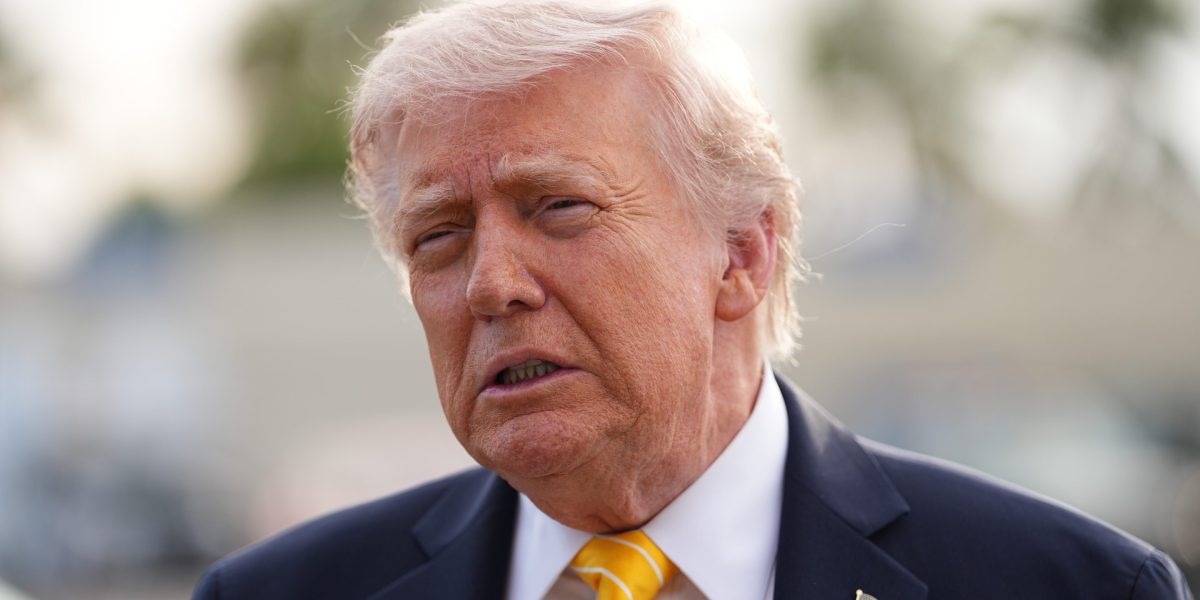
Throughout May 2026, the Trump administration maintained a consistent skepticism toward Iranian peace proposals, with President Trump openly expressing doubts about their acceptability despite ongoing reviews. Statements such as 'They want to make a deal, I’m not satisfied with it, so we’ll see what happen' and later remarks that he 'can’t imagine that it would be acceptable' underscore entrenched hostilities and complex regime dynamics that continue to impede diplomatic progress.
The ceasefire between the US and Iran remains precariously fragile, punctuated by intermittent skirmishes and ongoing threats that keep both sides on a hair trigger. Despite a ceasefire in place since April 8, Iran’s effective control over the Strait of Hormuz has trapped approximately 1,500 to 2,000 ships in the Persian Gulf, complicating efforts to stabilize global energy markets and reopen critical shipping lanes.
Diplomatic efforts have centered on proposals for a 60-day ceasefire extension, phased reopening of the Strait of Hormuz, mine removal, easing of the US naval blockade, and sanctions relief, alongside commitments to initiate nuclear talks. However, fundamental disagreements persist, particularly over Iran’s refusal to relinquish its uranium enrichment rights and control over the Strait, with Iran’s foreign ministry firmly excluding nuclear details from negotiations, fueling a diplomatic stalemate.
Internal US political divisions, especially among GOP hawks like Lindsey Graham and Ted Cruz, amplify skepticism toward any deal perceived as conceding strategic advantages to Iran, such as retaining control over the Strait or nuclear enrichment capabilities. President Trump’s attempts to frame potential peace deals positively—linking them to broader regional normalization efforts like the Abraham Accords—face significant doubt, as key regional players like Saudi Arabia remain resistant, leaving the administration’s diplomatic messaging inconsistent and contested.




Iran’s Fortress Strategy
Iran’s underground missile network and control of the Strait of Hormuz enable it to wage a drawn-out war of attrition, outlasting U.S. pressure while maintaining regime survival as its core objective.
Iran leverages its mountainous terrain as a natural fortress, concealing underground missile bases that enable a sustained war of attrition and guerrilla tactics across the Middle East, complicating U.S. military efforts to degrade its capabilities. Despite significant damage inflicted by U.S., EU, and Israeli operations, Iran retains substantial missile capacity—likely exceeding the 17-18% estimated by Trump—and the resilience to rebuild its military-industrial complex over time, underscoring a long-term strategic patience aimed at outlasting American political will.
Control over the Strait of Hormuz remains Iran’s most potent strategic leverage, allowing it to exert gray-zone pressure that disrupts global energy markets without provoking full-scale conflict. By threatening attacks on shipping and causing insurers to refuse coverage, Iran effectively constricts this 33-kilometer chokepoint through which 20% of the world’s energy exports transit, thereby amplifying economic pressure on the U.S. and its allies. Efforts like the Trump administration’s 'Project Freedom' naval escort operation have faltered amid persistent Iranian confrontations, highlighting Tehran’s ability to sustain instability and psychological uncertainty in the region.
Iran’s strategic aims center on regime preservation and gaining recognition as a legitimate regional power rather than pursuing outright domination, a posture shaped by the ascendance of traditional nation-state interests over revolutionary ideology. This duality manifests in a decentralized regime increasingly controlled by extreme elements, including the Revolutionary Guard Corps, which wields extensive influence over both military operations and economic sectors to reinforce internal stability. Tehran’s willingness to consider concessions on nuclear issues—such as limited suspension of uranium enrichment—reflects pragmatic calculations to achieve sanctions relief and economic normalization while maintaining core regime capabilities.
Iran’s asymmetric warfare tactics and regional proxy networks amplify its leverage across the Gulf Cooperation Council states, whose heavy dependence on food imports (89%) and vulnerable desalination plants expose them to missile and drone attacks. This growing regional influence, coupled with nationalist fervor and historical memory of foreign interventions, fortifies Tehran’s resilience against U.S. regime change efforts, which have failed to produce the rapid collapse anticipated by the Trump administration. Instead, Iran has entrenched a decentralized but tightening grip on power, complicating diplomatic engagement and fueling escalating tensions amid fractured U.S. alliances and rising oil prices.




Human Cost and Regional Fallout
Escalating tensions and prolonged blockades have triggered humanitarian crises, with activists jailed and regional economies battered as Iran’s proxies and internal crackdowns intensify under international pressure.
Escalating tensions and prolonged blockades have triggered humanitarian crises, with activists jailed and regional economies battered as Iran’s proxies and internal crackdowns intensify under international pressure.
Policy Missteps and Power Shifts
U.S. withdrawal from the nuclear deal backfired, supercharging Iran’s uranium program and hardliner control while exposing U.S. vulnerabilities and diminishing American sway in a region now hedging its bets.
The Trump administration's Iran policy has been widely criticized as a strategic miscalculation that weakened U.S. credibility and empowered Tehran. By withdrawing from the 2015 JCPOA in 2019, the U.S. not only escalated tensions but also allowed Iran to expand its enriched uranium stockpile from 300kg to 8,500kg, with enrichment levels reaching up to 60%, severely undermining nonproliferation goals. As Michael Clarke observed, the best outcome now appears to be a return to a deal resembling the 2015 agreement, a framework Trump had vehemently opposed, highlighting the cyclical nature of U.S. policy failures and the limited strategic gains achieved despite costly military engagements and sanctions.
Iran’s strategic leverage, particularly its control over the Strait of Hormuz, remains a critical challenge for U.S. policy and global energy markets. The lack of a robust contingency plan to counter Iran’s potential closure of this vital chokepoint exposed significant vulnerabilities, as the Strait handles a substantial portion of the world's oil shipments. Ian Bremmer noted that Iran’s asymmetric warfare tactics effectively disrupt shipping, forcing the global market to bear exorbitant costs—sometimes paying millions per shipment—to circumvent Iranian interference. This persistent leverage complicates U.S. efforts to stabilize the region, maintain energy security, and rally international allies, especially as Gulf states like Saudi Arabia and Kuwait increasingly invest in their own defenses amid waning U.S. influence.
The Trump administration’s aggressive military posture, including the announcement of a 'humanitarian freedom operation' to escort vessels through the Strait of Hormuz, paradoxically escalated tensions and exposed the fragility of the ceasefire. This approach failed to weaken the Iranian regime or its proxy networks; instead, it consolidated the Islamic Revolutionary Guard Corps’ power, effectively transforming Iran into a more hardline military dictatorship. Analysts like Michael Clarke and Amos Hochstein highlighted that limited and ambiguous military actions missed critical opportunities to leverage internal Iranian protests, while the absence of a clear strategic objective undermined U.S. credibility and reinforced Iran’s narrative of survival against American aggression.
The broader geopolitical landscape, marked by shifting alliances and the rising influence of China and Russia, further complicates U.S. strategy toward Iran. The Trump administration’s inconsistent and erratic policy has strained relations with Gulf allies, many of whom opposed the conflict and are now compelled to bolster their own regional defenses. This erosion of trust signals a lack of U.S. political will to confront Iran decisively and undermines America’s global standing, as noted by observers who warn that allies and competitors alike perceive Washington as weakened. The protracted and uncertain negotiations over Iran’s nuclear program, with market sentiment indicating a deal likely before 2027 but not imminently, underscore the enduring complexity and fragility of resolving this multifaceted conflict.