Subscription sticker shock: price hikes, AI disruption, and the great media detox
The gist
Subscription prices are skyrocketing, AI is hijacking media traffic, and fed-up consumers are slamming the brakes on their bloated digital stacks.
What to know
- Streaming, gaming, and software subscriptions jumped 29% in 2025, leaving inflation in the dust as Netflix, Disney+, and Apple TV hiked rates.
- AI platforms like ChatGPT and Perplexity now siphon up to 30% of publisher traffic without paying, triggering industry calls for licensing and a rush to direct audience relationships.
- Subscription overload is fueling consumer backlash, with businesses and individuals rethinking which pricey, AI-powered services actually deliver ongoing value.
The Subscription Squeeze
Soaring operational costs and investor pressure have forced streaming and tech giants into relentless price hikes, turning subscriptions into a survival tactic.
The subscription economy has seen a dramatic surge in both pricing and adoption, particularly in streaming and gaming, where prices soared by 29% in 2025—far eclipsing the 2.7% rise in the overall Consumer Price Index. This meteoric inflation, confirmed by US Bureau of Labor Statistics data, reflects a sector grappling with rising operational costs, labor pressures, and investor expectations, prompting providers like Netflix, Disney+, HBO Max, and Apple TV to implement aggressive price hikes despite consumer sensitivity. The unique economic pressures facing these industries have made subscription-based models not just a revenue strategy, but a necessity for survival in a fiercely competitive landscape.
By early 2026, the strategic pivot toward recurring revenue models became unmistakable as major players across industries adopted subscription-first approaches. Tesla’s replacement of its $8,000 upfront Full Self-Driving purchase with a $99/month subscription, under Elon Musk’s leadership, mirrors the broader shift seen in tech and creative sectors, where companies like OpenAI introduced tiered offerings such as the $8/month ChatGPT Go to capture a wider user base. This evolution underscores how economic pressures and competitive dynamics are driving companies to favor predictable, ongoing revenue streams over one-time sales, fundamentally reshaping how value is delivered and monetized.



AI’s Content Power Grab
AI platforms are draining publisher traffic and revenue, pushing media toward direct audience ties and urgent fights for fair licensing.
As AI-driven tools like ChatGPT, Claude, and Perplexity siphon off up to 30% of publisher search traffic without offering compensation or attribution, media companies are being forced to rethink their value proposition and revenue models. This disruption has underscored the urgency of establishing new licensing frameworks and collective bargaining strategies, as publishers recognize that the unchecked use of their content by AI platforms threatens both their audience reach and their financial sustainability.
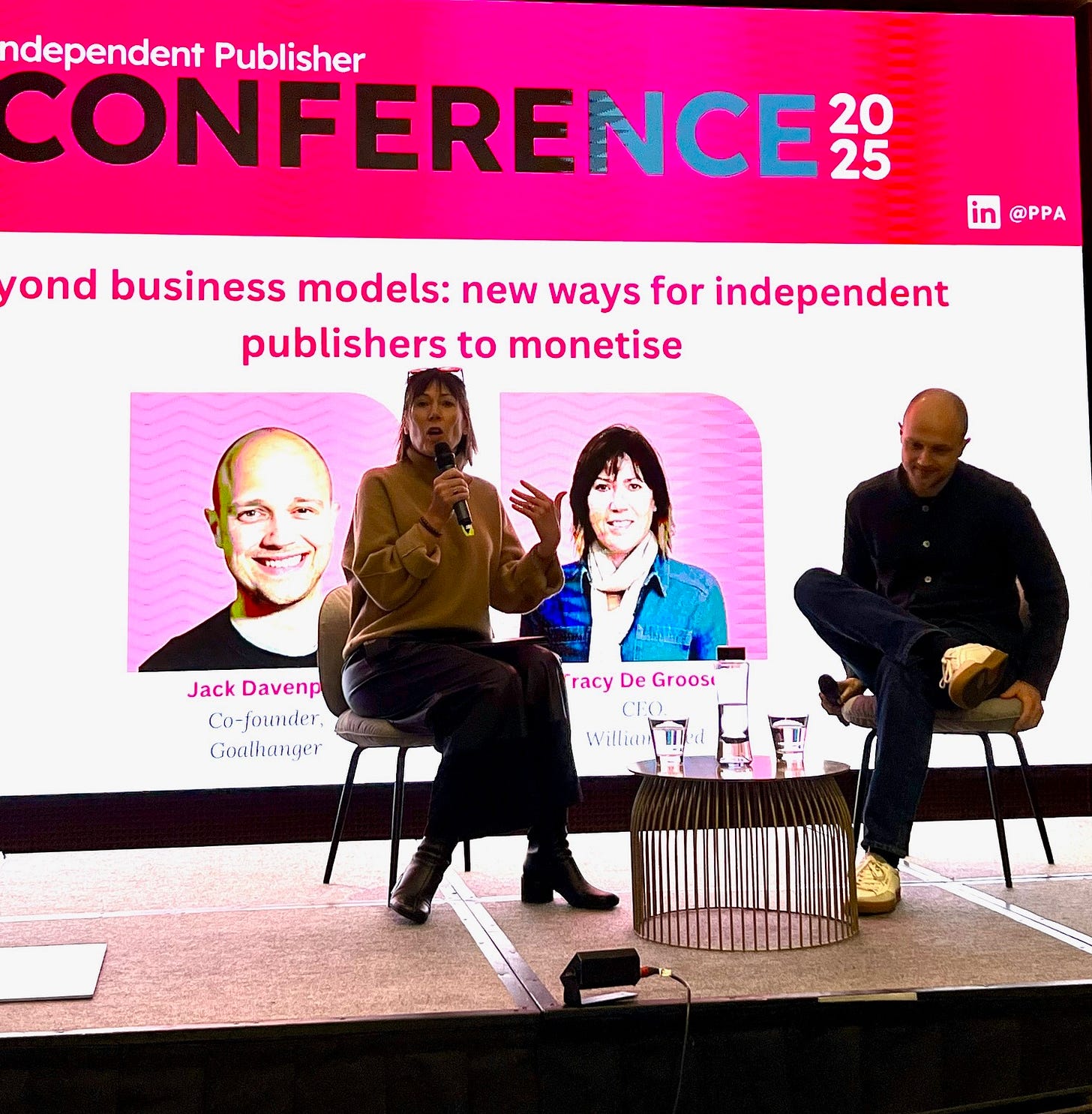
Publishers are increasingly prioritizing direct audience relationships and diversified revenue streams to counteract the volatility of algorithm-driven platforms. Companies like Goalhanger have thrived by cultivating engaged communities around ambitious storytelling, while others, such as The Atlantic, have doubled down on newsletters, print, and app experiences to bypass algorithmic gatekeepers. This focus on direct engagement not only insulates publishers from AI-induced traffic declines but also unlocks new monetization opportunities through subscriptions, events, and reader payments.
The industry is witnessing a decisive shift toward collective action and proactive negotiation with AI companies, echoing past lessons from Google’s rise. Thought leaders like Lucio Mesquita and David Buttle urge publishers to demand compensation, brand credit, and attribution, advocating for collective licensing groups and non-negotiable terms. While some, like The Atlantic, have already struck landmark licensing deals with OpenAI, the broader sector is pushing for sustainable, revenue-sharing models—such as Pro Rata’s approach—that fairly reward content creators based on their contribution to AI-generated outputs.
Email newsletters have emerged as a linchpin in publishers’ strategies, now surpassing social media as a source of traffic and revenue. Brands like Condé Nast, Wired, and The New Yorker report that newsletter readers are 4.5 times more likely to subscribe and contribute up to 50% more revenue over their lifecycles, prompting a shift from using newsletters as mere marketing tools to positioning them as core business products that drive commerce, retention, and community.
Amid the AI upheaval, content that is personality-led, highly visual, or rooted in expert analysis retains its destination value, while commoditized informational content is increasingly vulnerable to AI summarization and devaluation. This dynamic is accelerating a divide between elite publishers—who can invest in brand building, analytics, and direct monetization—and smaller outlets, many of whom are forced into performance marketing or consolidation, as seen in the success of reader-funded models like Joshi Herrmann’s Mill Media.

Bundling Backlash Builds
Aggressive subscription bundling and rising prices are triggering user frustration and artist revolt, as platforms gamble on loyalty amid growing dissent.
By early 2026, major platforms like Apple and Spotify are doubling down on aggressive pricing and bundling strategies in a bid to lock in user loyalty and outmaneuver rivals. Apple’s new Creator Studio bundle, priced at $12.99 per month and packing Final Cut Pro, Logic Pro, and Pixelmator Pro—plus advanced AI features—directly challenges Adobe’s far pricier Creative Cloud, signaling a shift toward consolidated, value-driven offerings. However, this move also marks a pivotal change in software distribution, with iPad versions of these apps now available exclusively via subscription, potentially reshaping how creators access and pay for essential tools.
Yet, as platforms chase profitability, consumer and creator pushback is mounting. Apple’s decision to lock key features behind subscription paywalls in six Creator Studio apps has frustrated users, echoing broader discontent across the industry. Meanwhile, Spotify’s relentless price hikes—three in as many years, with Premium now at $12.99—have drawn ire from both subscribers and artists, especially as the company touts new features and record royalty payouts while critics argue that payment structure changes actually leave musicians with less.
The tension between platform profitability and stakeholder satisfaction is further heightened by leadership shakeups and reputational controversies. Spotify’s latest price increase coincided with the handover to co-CEOs Söderström and Norström, as the company weathered artist backlash over royalty issues and public boycotts tied to CEO Daniel Ek’s defense tech investments. These developments underscore a new normal in the subscription economy—one where digital platforms must continually justify rising costs and shifting value propositions to increasingly vocal and skeptical audiences.



Creators Rethink the Bundle
Paid newsletter overload is fueling a grassroots shift toward creator-led bundles and community-centric business models, challenging platform-driven solutions.
Substack’s evolution from a haven for solo newsletters to a platform supporting broader business models marks a pivotal shift in the creator economy. By late 2025, Substack boasted 5 million paying subscribers and began experimenting with native advertising and events, signaling a move beyond pure subscriptions. However, this expansion has surfaced new challenges, as the proliferation of paid newsletters has led to subscription fatigue—one reader reportedly spent $28,000 annually—highlighting mounting pressure for more affordable, bundled, or diversified offerings to sustain both creators and their audiences.
The tension between creator autonomy and the lure of bundling remains a defining feature of the modern creator economy. While speculation abounds that newsletter bundling may emerge as a solution to high subscription costs, top-tier creators largely resist platform-driven bundles, preferring independence and direct relationships with their audiences. Instead, ad hoc, self-organized bundles among mid-tier or 'B-list' talent are gaining traction, reflecting a grassroots approach to collaboration that preserves individual control while addressing consumer demand for value and convenience.
By early 2026, creators like Kaitchup exemplify the shift toward autonomous, community-driven business models that blend content, education, and interactive experiences. Kaitchup’s growth—fueled by premium tiers such as The Kaitchup Pro and live, paid chats—demonstrates how creators are deepening engagement and monetization by offering tools, courses, and proprietary products. This evolution often necessitates expanding beyond solo efforts, as sustaining quality and scaling offerings to meet rising audience expectations requires building teams and systematizing growth strategies.
The rise of platforms like Substack has fundamentally shifted value in the media landscape from institutional brands to individual voices, a trend reinforced by Andreessen Horowitz’s investment and Substack’s principled stance on free speech. This decentralized, reputation-driven model empowers creators to monetize directly, blurring the lines between mainstream and independent media and creating new demand for content. As Ben from a16z notes, the 'non fungible writer' is now the core asset, with reputation serving as the compounding advantage that shapes both creator and platform success.




Detoxing the Digital Stack
Subscription overload is driving a cultural reset as leaders cut back on bloated AI service stacks and demand real, ongoing value.
By early 2026, consumers—especially business leaders—are grappling with a mounting sense of subscription fatigue, as the proliferation of AI-powered services leads to bloated stacks of underutilized tools. The pressure to keep up with the latest innovations has resulted in many paying for far more than they actually use, prompting calls to 'detox your stack' and refocus on subscriptions that deliver tangible, ongoing value. This growing awareness signals a shift in the consumer mindset, from accumulating access to prioritizing meaningful utility and cost-effectiveness in a crowded subscription landscape.