Taiwan’s energy tug-of-war: nuclear u-turn, grid woes, and geopolitics threaten tech powerhouse
The gist
Taiwan’s high-stakes energy gamble—restarting nuclear reactors amid grid chaos and geopolitical crossfire—threatens its tech dominance and global supply chains.
What to know
- Taiwan reversed a decades-long anti-nuclear policy in 2026, restarting reactors to plug energy shortfalls and keep AI-hungry data centers running.
- The island’s clean energy ambitions are hobbled by political infighting, a state power monopoly, and dependency on Chinese coal and critical components.
- With energy reserves dipping below three weeks, industry giants like Intel are warning that Taiwan’s fragile grid could disrupt global tech production.
Power Struggles Stall Progress
Political infighting, smear campaigns, and regulatory gridlock have paralyzed Taiwan’s clean energy transition, fueling corruption and undermining decarbonization even as AI data centers strain the grid.
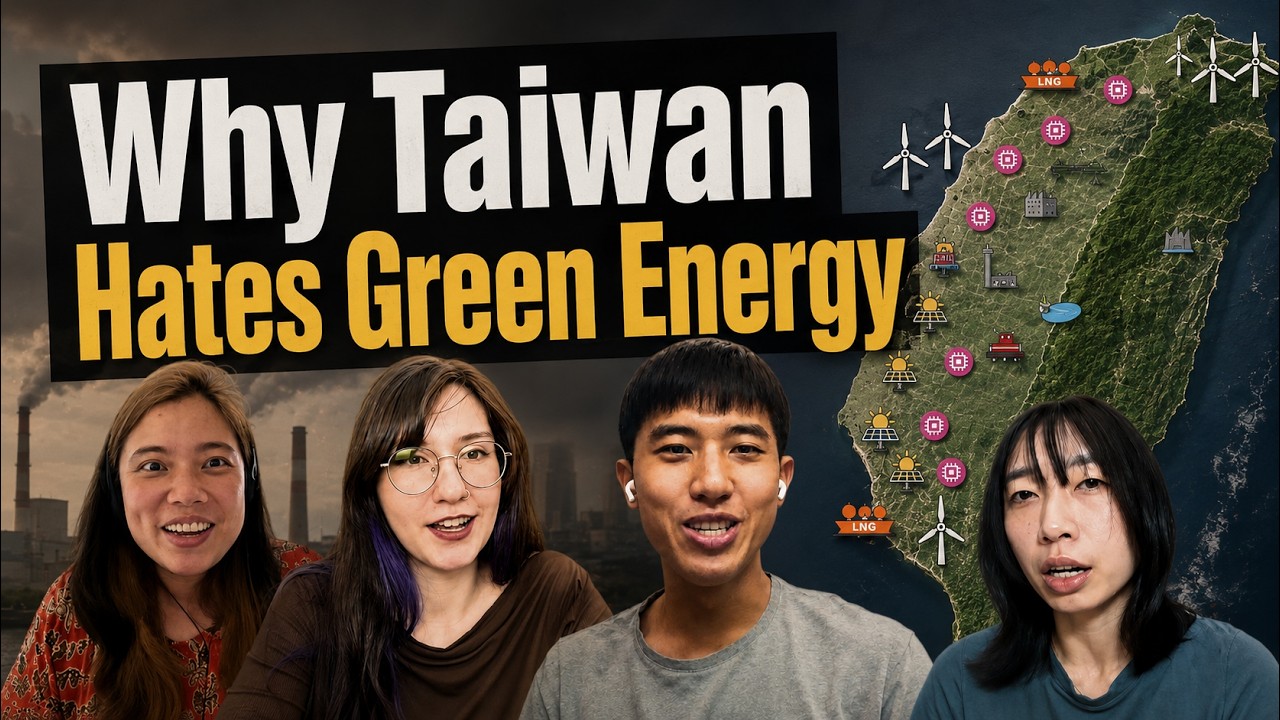
Taiwan's renewable energy ambitions in 2026 are severely hampered by entrenched political polarization and regulatory challenges that mirror broader geopolitical tensions between the US and China. Localization mandates intended to bolster domestic industries instead expose deep economic fractures, while fierce politicization pits nuclear energy advocates against renewable proponents, exemplified by smear campaigns targeting projects like the LMAN nuclear facility. This divisive environment fuels corruption scandals and intense political rivalries that throttle clean energy subsidies and stall reforms, ultimately undermining Taiwan's decarbonization goals amid rising AI data center energy demands.
Regulatory hurdles and market structure complexities further obstruct Taiwan's clean energy transition, with the state monopoly on power exerting a stranglehold that stifles innovation and reform. Despite growing demand for behind-the-meter battery storage solutions, adoption remains cautious and sluggish due to permitting delays and policy interventions, crippling the battery storage market at a critical juncture. Land scarcity compounds these challenges, creating a multifaceted bottleneck that prevents Taiwan from scaling renewable infrastructure effectively, even as global energy and geopolitical tensions intensify the urgency for decarbonization.
Nuclear Reversal Under Pressure
Decades of anti-nuclear policy gave way to a dramatic reactor restart as Taiwan’s leaders confront energy poverty and the harsh realities of an AI-powered, geopolitically tense economy.
Taiwan's long-standing anti-nuclear stance, particularly under the Democratic Progressive Party (DPP) leadership, has severely hampered its clean energy transition, exacerbating energy poverty amid rising geopolitical tensions. This entrenched opposition initially drove an aggressive nuclear phase-out strategy aimed at boosting renewable energy sources, but by early 2026, the policy fell short of expectations, exposing gaps in energy security and complicating decarbonization efforts. The resulting energy shortfalls have intensified economic pressures on households and businesses alike, highlighting the unintended consequences of sidelining nuclear power in Taiwan's energy mix.
In a dramatic policy reversal, Taiwan abandoned four decades of anti-nuclear sentiment by deciding to restart its nuclear reactors to address the surging electricity demands fueled by the rapid expansion of AI data centers and the broader energy crisis. This pivot reflects a pragmatic recognition that nuclear energy remains indispensable for meeting decarbonization goals while ensuring grid stability amid volatile geopolitical dynamics with China. By reactivating reactors, Taiwan aims to alleviate energy poverty and provide a reliable power backbone, signaling a nuanced recalibration of its energy strategy in response to mounting environmental and economic imperatives.
Geopolitics Fuels Energy Dependence
Taiwan’s clean energy ambitions are trapped by localization rules and a heavy reliance on Chinese coal and components, exposing the island to supply chain risks and strategic vulnerabilities.
Taiwan’s clean energy ambitions are severely hampered by stringent localization mandates and geopolitical trade barriers that reflect the broader US-China rivalry, exacerbating political and economic fractures within the island. These draconian rules have stalled offshore wind projects and inflated costs, imperiling Taiwan’s decarbonization goals amid soaring energy demands from AI data centers. This dynamic underscores how Taiwan’s renewable energy progress is entangled in the complex geopolitics of 2026, where energy policy is as much about strategic positioning as environmental objectives.
Paradoxically, Taiwan’s energy security remains heavily dependent on China’s coal-fired power surplus, revealing a fraught relationship where environmental goals clash with geopolitical realities. Despite ambitions for energy independence, Taiwan continues to rely on fossil fuel imports and critical clean energy components—such as solar panels, wind turbines, batteries, and rare earth materials—of which China controls 70-90% of global supply. This dependence introduces nuanced security risks, as the island must balance the immediate operational need for Chinese-made infrastructure against concerns over cyber vulnerabilities and subtle blockade tactics employed by Beijing, which threaten regional stability amid escalating US-China tensions.
Under mounting US pressure, Taiwan is accelerating its energy pivot to diversify supply chains and reduce reliance on China, positioning clean energy and LNG trade at the heart of its strategic response to regional security challenges. However, efforts by the US and Europe to foster domestic manufacturing through subsidies and tariffs face enormous hurdles, potentially slowing the global clean energy transition. Taiwan’s energy poverty crisis further complicates this landscape, forcing energy-intensive industries like steel production to offshore operations, thereby exposing the operational and geopolitical fragilities inherent in the island’s pursuit of energy independence within a volatile regional environment.

Monopoly and Market Distortions
A rigid state power monopoly, frozen prices, and fossil fuel subsidies have crippled Taiwan’s energy market, stalling renewables and battery storage just as tech sector demand soars.
Taiwan’s energy market is deeply constrained by its state monopoly and frozen electricity prices, which have stalled critical power sector reforms and entrenched fossil fuel dependence despite escalating geopolitical and economic pressures in 2026. This rigid market structure not only stifles renewable energy integration but also undermines decarbonization efforts at a time when flexibility and innovation are paramount.
The island’s persistent fossil fuel subsidies and skewed industrial energy pricing further throttle renewable growth, creating a policy clash that intensifies amid surging AI data center demands and regional geopolitical tensions. These market distortions exacerbate grid stress and complicate clean energy adoption just as Taiwan faces a critical inflection point in balancing economic competitiveness with sustainability.
Compounding these challenges, corruption scandals and regulatory hurdles have crippled Taiwan’s battery storage markets, a vital component for smoothing renewable intermittency and supporting the grid. This setback arrives amid rising global energy demands and geopolitical volatility, making it increasingly difficult for Taiwan to meet the tech-driven energy needs of AI data centers, which are rapidly expanding but constrained by limited and unstable energy capacity.
The surging energy demands from AI data centers are pushing Taiwan’s already fragile grid to its limits, with energy reserves dropping below three weeks—a precarious situation that risks prolonged semiconductor fab shutdowns and severe global economic fallout. As Intel CEO Pat Gelsinger warns, the combination of geopolitical tensions, including repeated blockades of the Taiwan Straits, and supply chain vulnerabilities underscores the urgent need for resilient energy infrastructure to sustain both Taiwan’s tech sector and global AI growth.