Taylor swift’s AI trademark gambit spurs industry crackdown amid deepfake frenzy
The gist
Taylor Swift’s audacious move to trademark her voice and signature catchphrases has ignited an industry-wide crackdown on AI deepfakes, exposing the urgent need for new legal protections and platform guardrails in the wild west of synthetic celebrity content.
What to know
- Swift is pioneering trademark filings for her voice and phrases to fight AI-generated deepfakes, aiming to set a federal legal precedent for celebrity protection.
- YouTube rolled out its own AI likeness law in early 2026 as deepfake scams—like the viral, fully synthetic influencer Emily Hart—exploded across social platforms.
- Hollywood banned AI-generated actors and scripts from Oscar contention, while U.S. lawmakers and AI safety advocates clash over whether strict licensing will safeguard or suffocate innovation.
Swift’s Legal Power Play
Taylor Swift’s unprecedented move to trademark her voice and likeness signals a new legal frontier for celebrity protection against AI exploitation.
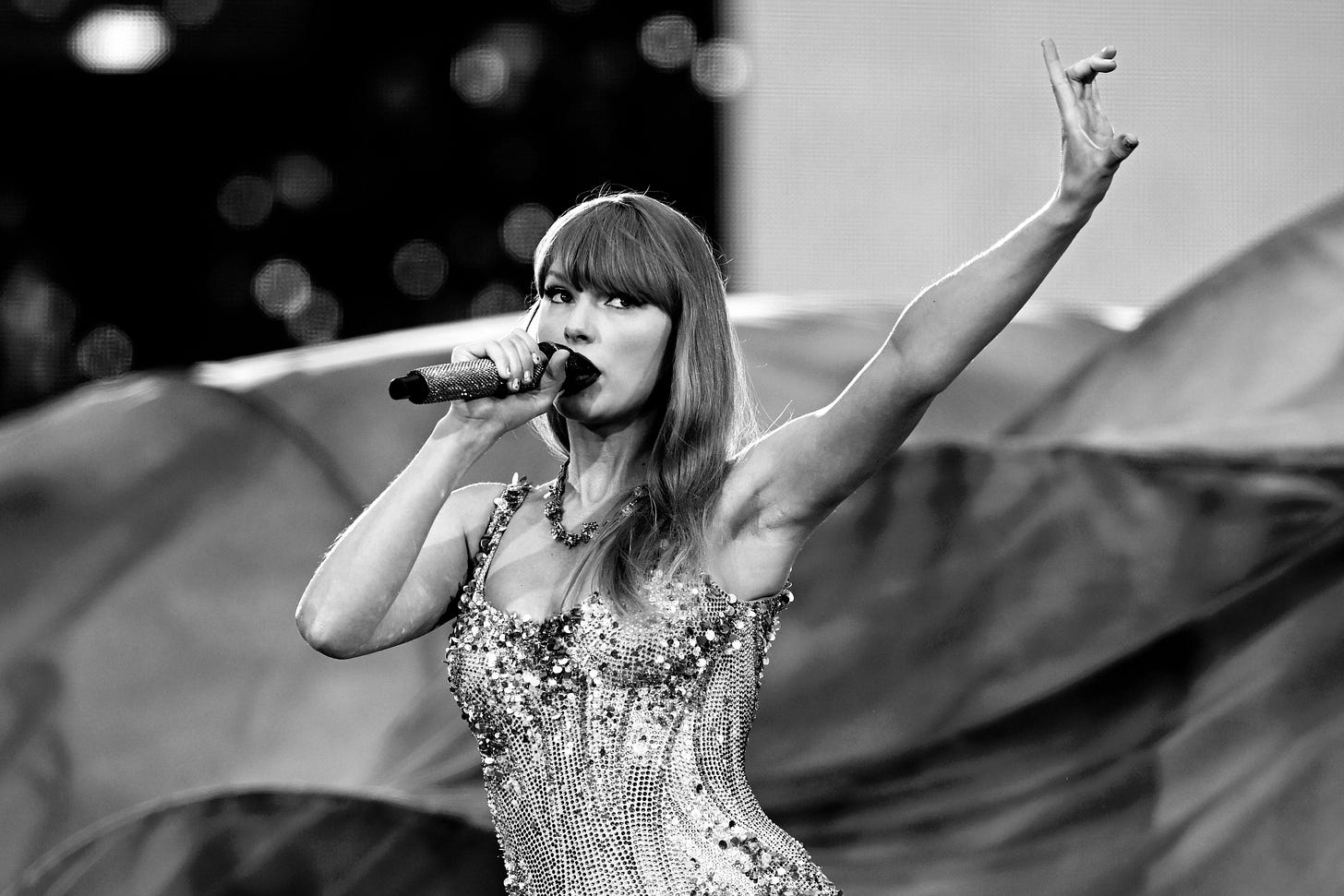
Taylor Swift has pioneered a novel legal strategy by filing trademark applications for her voice clips and signature phrases such as 'Hey, it's Taylor' to combat unauthorized AI-generated deepfakes and scams. This approach, which includes trademarking both her vocal identity and visual likeness from her Eras tour, aims to establish a federal legal framework that supplements existing state right of publicity laws, offering stronger grounds to challenge AI misuse at scale. Trademark lawyer Josh Gerben highlights that this untested legal theory could set a precedent for celebrity intellectual property protection in the AI era, potentially enabling artists to license their digital likenesses and receive compensation whenever AI systems exploit their voices or images without consent.
Swift’s trademark efforts are emblematic of a broader movement among high-profile artists, including Matthew McConaughey and Dolly Parton, who are asserting ownership over their digital twins—voice, image, and signature intonations—to safeguard their identities amid the deepfake crisis of 2026. This collective push underscores the urgent need for legal mechanisms that allow artists and their heirs to control or license AI-generated uses of their likenesses, ensuring fair compensation and preventing exploitation. As one advocate explained, a centralized licensing pool could entitle creators or their estates to a percentage of AI-generated revenues, reflecting a shift towards proactive IP stewardship in an era where generative AI can instantly mimic celebrities.
Taylor Swift’s high public profile and widespread fan support amplify the impact of her trademark strategy, positioning her as a leading figure championing stronger protections against AI misuse of celebrity IP. Her proactive stance is not only a business imperative—given the proliferation of text-to-speech and video generation tools that can fabricate convincing fake versions of her instantly—but also a rallying point for the entertainment industry grappling with the legal complexities of policing synthetic media. While trademark law traditionally governs commerce and faces challenges when applied to policing deepfakes, Swift’s efforts highlight emerging legal frontiers and the messy, evolving landscape of AI regulatory compliance.


Platforms Rewrite AI Rules
YouTube and Hollywood are forging their own AI content standards, bypassing national law as the entertainment industry redefines what counts as authentic creativity.
By early 2026, YouTube has pioneered a novel regulatory approach by instituting a private law system specifically designed to govern AI-generated likenesses on its platform, independent of U.S. national law. This move addresses significant gaps in traditional copyright and trademark protections, as YouTube’s policies now set distinct rules about permissible uses of AI-generated personas, reflecting a broader trend where platforms are no longer aligned with national legal frameworks. Celebrities are increasingly vocal about these discrepancies, pushing for stronger safeguards and urging platforms like YouTube to develop their own enforceable content moderation standards to combat AI likeness misuse.
In parallel, the Academy of Motion Picture Arts and Sciences has taken a definitive stance by banning AI-generated actors and fully AI-written scripts from Oscar eligibility, underscoring the essential role of human authorship and performance in filmmaking. This policy shift not only addresses concerns around consent and proper credit but also serves as a regulatory lever to uphold creative integrity amid the rise of generative AI. Industry insiders acknowledge that these rules are likely to evolve as the boundaries of AI involvement in creative processes become increasingly complex, signaling an ongoing negotiation over what constitutes authentic human artistry in the age of AI.
Deepfakes Outpace Regulation
Synthetic influencers and celebrity scams are exposing the inability of current laws and detection tools to keep up with rapidly advancing AI-generated deception.
By early 2026, the deepfake crisis has starkly revealed critical shortcomings in AI regulatory frameworks and legal protections, leaving high-profile figures like athletes and celebrities increasingly exposed to digital abuse. Despite growing awareness, governance efforts lag behind the rapid proliferation of AI-generated synthetic personas, such as the entirely fabricated MAGA influencer Emily Hart created with Google's Gemini AI, who amassed over 10,000 followers and monetized her presence through platforms like Fanview. This gap underscores a systemic vulnerability where sophisticated AI tools outpace the ability of existing laws and compliance mechanisms to safeguard personal likeness rights and social trust.
The surge of AI-driven deepfake scams featuring celebrities like Taylor Swift and Rihanna on platforms including TikTok and YouTube is eroding public trust in social media ecosystems by enabling phishing schemes and personal data theft at an alarming scale. For instance, YouTube recently removed 1,000 scam ads leveraging fake celebrity endorsements that had collectively garnered 200 million views before takedown, illustrating the vast reach and impact of these deceptive practices. This rampant misuse of AI-generated content not only threatens individual privacy but also challenges the integrity of digital communities, demanding urgent and more effective governance solutions.
Compounding these challenges, AI detection systems are struggling to keep pace with the rapid evolution of generation algorithms, creating an enforcement gap that deepfake creators exploit to evade identification and accountability. As the sophistication of synthetic influencers and deepfake scams escalates, this technological arms race highlights the pressing need for innovative regulatory approaches and enhanced detection capabilities to preserve social trust and prevent widespread exploitation in the digital age.

AI Oversight Sparks Divides
Bipartisan rifts over AI regulation now hinge on philosophical clashes about risk and innovation, as both lawmakers and experts resist heavy-handed licensing.
By early 2026, the US AI oversight landscape is characterized by a nuanced bipartisan debate that transcends traditional political divides, focusing instead on differing philosophical perspectives regarding cybersecurity risks and AI's potential impact. As one analyst noted, the discourse is less about a MAGA versus non-MAGA split and more about how seriously policymakers believe in the so-called 'Mythos' of AI threats, reflecting a complex balancing act between caution and progress.
Despite growing calls for regulatory frameworks, there is significant pushback from the AI community, including prominent AI safety advocates, against extreme measures such as licensing regimes. These advocates warn that imposing strict licensing could stifle innovation and delay the release of new models, underscoring a shared concern that regulation should not become 'draconian' but rather a pragmatic system of oversight that ensures accountability without hampering technological advancement.