Ticketmaster’s ‘velvet hammer’: inside the ruthless tactics fueling america’s concert monopoly
The gist
Ticketmaster’s ironclad contracts and ruthless tactics have turned America’s concert scene into a tightly controlled, profit-churning monopoly—leaving rivals, venues, and fans with little choice but to pay up or miss out.
What to know
- Live Nation-Ticketmaster’s exclusive deals with major U.S. venues have squeezed out competitors and driven per-fan profits up 46% between 2019 and 2022.
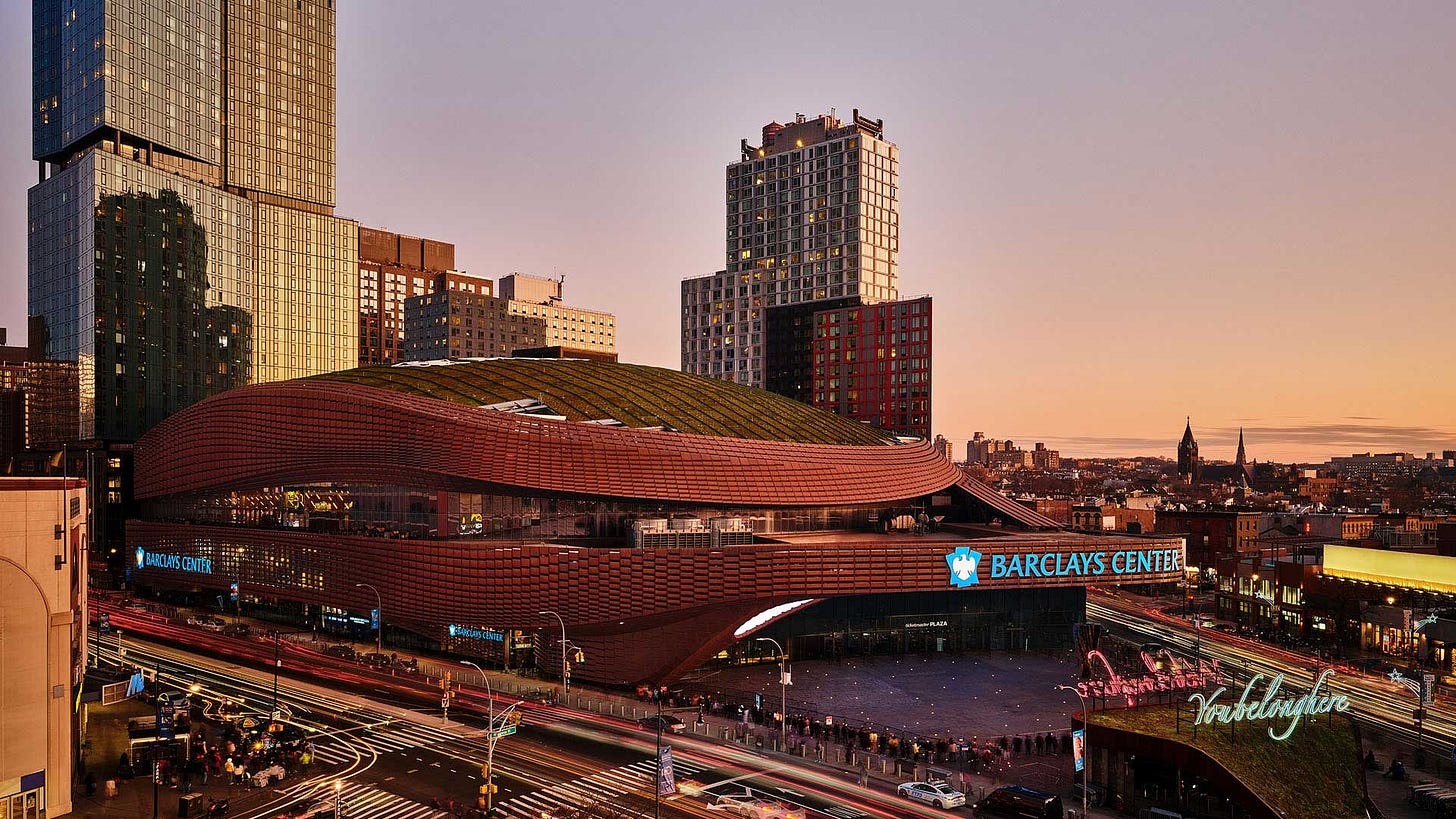
- Venues like Barclays Center lost top tours, including Billie Eilish, after switching away from Ticketmaster—while smaller promoters are warned they’ll be cut off from major artists if they don’t comply.
- Internal emails reveal execs bragging about 'robbing [fans] blind' with high fees and policies like a $15 lawn chair rental ban that squeezed $7 million from concertgoers in a single year.
Concerts Locked Down
Live Nation-Ticketmaster’s ironclad venue exclusivity and strategic alliances have built an industry fortress, forcing even rivals and top artists into their system or out of the market.
Live Nation-Ticketmaster’s dominance in the concert ticketing industry is cemented by its long-term exclusive contracts with major U.S. venues, a strategy that effectively shuts out rivals like AEG’s AXS from competing on a level playing field. As Jay Marciano testified, AEG is often forced to hand over ticketing operations to its direct competitor in most major venues, a situation further exacerbated by Live Nation’s ownership and exclusive booking rights at over 60 of the top 100 U.S. amphitheaters. This consolidation has not only limited competition but also driven a striking 46% increase in per-fan profitability at these venues from 2019 to 2022, underscoring the financial power such exclusivity confers.
For artists and promoters, Live Nation-Ticketmaster’s exclusive grip on venues creates a punishing dilemma: either accept the company’s terms or face diminished tour profitability and restricted access to key markets. The experience of Zach Bryan, whose 2023 tour avoided Ticketmaster venues at the cost of lower profits compared to his 2024 tour with Live Nation, illustrates the practical consequences of this market power. Meanwhile, smaller promoters are pressured to align with Live Nation or risk losing access to both artists and venues, a tactic described by Robert Roux as the company’s 'velvet hammer'—a soft touch masking a hard ultimatum.
Efforts to introduce more open, competitive ticketing models—such as the 'open-room' agreements common in Europe—have repeatedly failed in the U.S., with no major venues willing to abandon Live Nation-Ticketmaster’s exclusive contracts despite proposals from AEG’s AXS. This resistance to non-exclusive arrangements further entrenches Live Nation’s market position, as evidenced by their 10-year exclusive deal with Oak View Group in 2022, which locked out competitors like Paciolan from OVG’s venues. CEO Michael Rapino has openly acknowledged this strategy, boasting to investors about building 'an incredible moat around the castle of Live Nation,' and admitting, 'we have incredible market power around the world.'
Retaliation for Defiance
Venues and artists who break from Ticketmaster’s grip face swift retribution—lost tours, veiled threats, and nationwide pressure that keeps competitors out and compliance high.
Testimony from Barclays Center CEO John Abbamondi paints a vivid picture of Live Nation's alleged retaliatory tactics, particularly after the venue opted for SeatGeek over Ticketmaster. Despite an existing agreement to schedule a set number of concerts, Live Nation sharply reduced its bookings at Barclays, with the conspicuous absence of Billie Eilish's 2022 tour serving as what Abbamondi called a 'smoking gun' of retribution. While Live Nation claimed the decision was Eilish’s, reports from the artist’s management suggested otherwise, underscoring the company’s ability to wield its influence over artists and venues that stray from its ticketing ecosystem.
Live Nation’s leadership has not shied away from issuing veiled threats to venues considering alternatives to Ticketmaster, as evidenced by CEO Michael Rapino’s warning to Abbamondi that continuing to deliver concerts to Barclays would be 'tough.' This pattern of pressure extends beyond New York: Mitch Helgerson of the Minnesota Wild’s arena testified that even a $1 million annual incentive from SeatGeek was not enough to overcome the 'credible' threat posed by Live Nation, illustrating a chilling effect that discourages venues nationwide from breaking away from Ticketmaster’s grip.
The reach of Live Nation’s retaliatory practices is not limited to venues; artists and rival promoters also face significant barriers. Jay Marciano of AEG described how exclusive, long-term contracts force even competitors to hand over ticketing operations to Ticketmaster, while artists like Zach Bryan have found that avoiding Ticketmaster venues results in less profitable tours. This dynamic effectively compels artists and promoters to remain within the Live Nation-Ticketmaster fold, reinforcing the company’s dominance and stifling meaningful competition.
Live Nation’s so-called 'velvet hammer' approach extends to regional promoters and event proposals, with executives like Bob Roux making it clear that independence comes at the cost of losing access to top-tier artists. The acquisition of Red Mountain Entertainment followed explicit warnings that going it alone would mean being cut off from Live Nation’s artist pipeline, while lucrative outside proposals—such as a Disney event worth up to $500,000—were rejected to maintain control. These practices underscore how Live Nation leverages its market power to keep the industry tightly within its orbit.
Squeezing Fans for Profit
Leaked emails reveal a corporate culture that brags about extracting every dollar from fans, from mandatory chair rentals to relentless fees, all while locking out competition to keep profits soaring.
Internal communications revealed during the trial paint a stark picture of Live Nation’s revenue extraction tactics, with executives like Ben Baker openly joking about 'robbing [fans] blind' through high fees for VIP packages and parking, and referring to consumers as 'stupid.' This attitude is reflected in business practices such as the controversial ban on bringing personal lawn chairs to amphitheaters, forcing fans to pay $15 per rental—a policy that netted the company $7 million in just one year at a dozen venues. Such strategies underscore a corporate culture that not only normalizes, but celebrates, finding new ways to squeeze additional dollars from concertgoers.
Live Nation’s approach to maximizing revenue extends beyond consumer-facing fees to strategic market consolidation, as evidenced by internal emails outlining acquisitions designed to 'consolidate the Atlanta outdoor venue market' and block competitors like AEG. By locking in exclusive contracts—such as the 10-year deal with Oak View Group—Live Nation has been able to control ticketing for major venues, hike prices, and limit independent promoters’ access. CEO Michael Rapino has openly touted this dominance to investors, boasting of an 'incredible moat' and a 'recession-proof' business model that delivers high returns by leveraging market power to extract more from both fans and venues.