Trans-pacific turbulence: shippers squeezed by soaring rates, brace for looming overcapacity tsunami
The gist
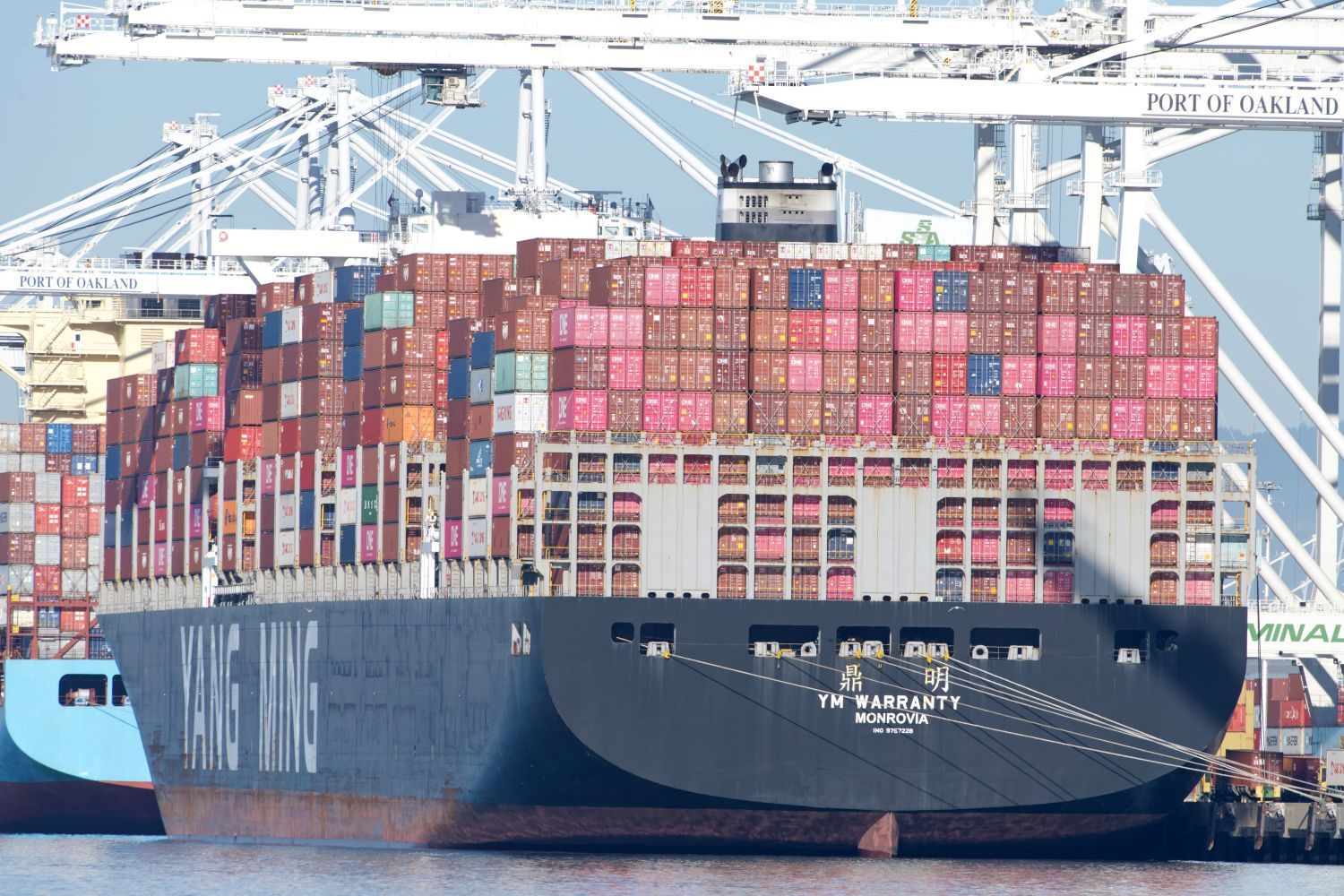
Trans-Pacific shippers are getting squeezed by soaring spot rates and shrinking capacity, just as a tidal wave of new mega-ships threatens to upend the market by 2027.
What to know
- Carriers tripled spot rates on Asia-US routes to over $6,200 per TEU in mid-2026—even as shipping volumes stayed flat—by passing on spiking bunker fuel costs and slashing capacity with blank sailings.
- Importers frontloaded shipments early in 2026 to dodge fuel surcharges and tariffs, triggering a record-early peak season and prompting forwarders to recommend booking three weeks in advance.
- A massive 9.1% fleet expansion in 2027 and 12.7% in 2028 will flood the market with over 42.5 million TEU, setting the stage for severe overcapacity and profit pain for carriers.
Bunker Surcharges Mask Stability
Carriers held base contract rates steady but shifted soaring fuel costs onto importers, complicating negotiations and inflating total landed costs despite flat demand.
By early 2026, midsize U.S. importers, including retailers and direct importers of Asia-sourced goods, were finalizing their trans-Pacific shipping contracts for 2026–27 with base rates largely mirroring those of the previous year. However, this apparent pricing stability masked a significant shift as container lines, facing rising global oil prices, imposed substantial bunker fuel surcharges on cargo owners. Despite a backdrop of flat or even negative volume growth and persistent global overcapacity, carriers strategically maintained steady base rates while transferring escalating fuel cost pressures downstream, complicating contract negotiations and increasing landed costs for importers.

Frontloading Redefines Peak Season
Importers’ rush to beat surcharges and tariffs pulled the peak season into July, upending traditional shipping calendars and intensifying capacity pressure weeks ahead of schedule.
By mid-2026, US importers aggressively frontloaded shipments on the eastbound trans-Pacific route to preempt rising bunker fuel surcharges, tariff uncertainties, and escalating carrier rates, triggering an unusually early and intense peak season. This surge, reflected in an 11% and 10% rise in import bookings from China and Southeast Asia respectively, pushed spot freight rates to their highest levels in two years and tightened capacity significantly, prompting forwarders to recommend booking shipments at least three weeks in advance. Hapag-Lloyd's CEO underscored this momentum, noting strong demand and the upcoming launch of a seasonal service that further cemented the early peak season dynamic.
The frontloading trend, which shifted the traditional peak season from October to as early as July, was driven not only by cost avoidance but also by importers’ strategic responses to geopolitical challenges and supplier price hikes. As industry observers noted, shippers aimed to 'push back against the prospect of higher tariffs and rising shipping rates' while navigating increasingly frequent geopolitical obstacles, underscoring how structural shifts in global trade dynamics are reshaping seasonal shipping patterns.

Carriers Seize Pricing Power
Despite stagnant volumes, carriers exploited early demand and fuel-driven constraints to triple spot rates, using route diversions and cost volatility to lock in historic margins.
By mid-2026, ocean carriers have adeptly leveraged an early and elevated peak season alongside stretched shipping capacity to push container spot rates to pandemic-high levels. Importers, anticipating inflation-driven cost increases, frontloaded shipments on major Asia trade lanes, effectively filling all available space and allowing carriers to capitalize financially. This dynamic, as reported on June 8, set the stage for carriers to strengthen their pricing power despite flat or even declining volumes.
Rising ultra low sulfur fuel costs, which doubled per container during the peak of recent disruptions, combined with geopolitical tensions and port congestion, have significantly constrained capacity and operational flexibility. This fuel price volatility was especially pronounced in Asia due to proximity to Middle Eastern conflicts, amplifying carriers' ability to pass increased costs onto shippers through sharply higher spot rates. As Malcolm observed on July 11, ocean spot rates surged up to threefold since the conflict began, underscoring fuel costs as a key driver behind the rate escalation.
Despite shipping volumes on critical routes like China to the United States being flat or lower than the previous year, carriers have aggressively exploited their strengthened market power to elevate spot rates dramatically—from $1,800 to $6,200 per TEU since the conflict onset. This surge reflects carriers’ strategic use of peak season demand and structural market shifts, including route realignments away from the Red Sea and Strait of Hormuz, which have intensified market pressure and pricing leverage. Industry analysts emphasize that ocean container lines are capitalizing on these conditions to aggressively push rates in the spot market.
Shippers Forced to Adapt Fast
Initial disbelief gave way to urgent action as shippers realized higher rates and tighter capacity were the new normal, turning off-cycle RFPs into essential survival tools.
Shippers initially met the market shift with disbelief and resistance, struggling to accept that carriers had gained significant pricing power necessitating substantially higher contracted and spot rates. As David noted, many shippers had never encountered a market where carriers held the advantage, leading to a slow realization that paying more for capacity was inevitable. This gradual acceptance unfolded throughout early 2026, as even clients using SONAR data were slow to grasp the structural supply-side changes driving elevated costs and reduced carrier capacity.
Market disruptions and volatility in early 2023, including Winter Storm Fern and fuel price spikes linked to geopolitical tensions like the Iran conflict, delayed shippers’ full acceptance of higher rates. Temporary softening of spot rates during traditional slow periods created a false sense of normalcy, lulling many into underestimating the permanence of the market shift. David explained that these disruptions masked the underlying trend, but the persistent spot rate volatility and capacity constraints throughout the first half of 2026 have since reinforced the need for shippers to adapt.
By spring 2026, shippers began proactively securing capacity well ahead of the critical second half and holiday peak season, signaling a strategic pivot to manage rising costs and tightening capacity. This included increasingly embracing off-cycle full network RFPs as a practical solution rather than a problem, helping them navigate ongoing market volatility. David emphasized that such off-cycle RFPs are now viewed as essential tools for controlling elevated capacity expenses amid unpredictable spot rate fluctuations.
Facing persistent uncertainty and surging container freight rates, shippers have also adapted by frontloading shipments to mitigate the impact of earlier and more intense peak seasons, such as the July peak now arriving months ahead of the traditional October surge. Simultaneously, they actively push back against rising tariffs and shipping rates while contending with increasing geopolitical challenges that complicate logistics planning. This multifaceted adaptation underscores shippers’ evolving strategies to maintain supply chain resilience amid a structurally transformed trans-Pacific shipping landscape.
Blank Sailings Become the Rule
Carriers now routinely blank more capacity than they add, cementing a new era of structural scarcity that forces shippers to rethink inventory and routing strategies.
By mid-2026, structural capacity constraints have become a permanent hallmark of Trans-Pacific shipping, with blank sailings routinely reducing available tonnage by 10% to 14% despite carriers expanding their fleets. Sea-Intelligence highlights that carriers are blanking 4.6 times the tonnage they add, creating a new baseline of constrained capacity that supply chain planners must now incorporate into their forecasting models. This shift marks a departure from the pandemic-era volatility to a more disciplined, consistent approach where blank sailings serve as a strategic lever to balance capacity and demand.
The Asia-USEC trade lane exemplifies this structural tightening, with blanked capacity soaring from 273,725 TEU in H1 2019 to 863,396 TEU in H1 2026—equating to 14% of scheduled capacity being withdrawn. Sea-Intelligence CEO Alan Murphy advises shippers on this route to recalibrate minimum inventory thresholds and consider alternative routings to mitigate the impact of fewer bookable slots. As James Hookham from the Global Shippers Forum notes, blanked sailings are a key tool carriers use to manage capacity imbalances, often resulting in upward pressure on freight rates or at least preventing rates from falling as quickly.
Overcapacity Wave Looms Large
A flood of mega-ships will swamp the market by 2028, making excess capacity inescapable and setting the stage for a bruising fight over razor-thin margins.
By the close of 2026, the container shipping industry is bracing for a tidal wave of new capacity that threatens to tip the delicate balance of supply and demand. With fleet growth projected at 9.1% in 2027 and an even steeper 12.7% in 2028, carriers face an unprecedented surge in available TEU—rising from 34.6 million in 2026 to over 42.5 million by the end of 2028. This influx, fueled by mega-ship deliveries totaling over 5.2 million TEU in 2028 alone, will create structural oversupply conditions that even the most optimistic executives acknowledge as inescapable, forcing carriers into a brutal race toward marginal revenue and threatening their financial sustainability.
The sheer scale of new tonnage entering the market post-2026 is so overwhelming that industry analysts warn it will be nearly impossible for carriers to sidestep the jaws of excess capacity. As highlighted in a Journal of Commerce webinar, the oversupply will press carriers to operate at or near marginal cost, eroding profitability across the board. This structural shift signals a challenging era ahead, where maintaining market equilibrium will require unprecedented strategic agility amid relentless capacity growth.