Trump’s economic woes deepen GOP divide before midterms
The gist
President Trump’s sinking economic approval and polarizing political gambits are deepening GOP divisions and fueling voter uncertainty ahead of the 2026 midterms.
What to know
- Trump’s economic approval has plunged to a historic -22 as 60% of Americans blame his policies for worsening conditions and rising costs.
- Independent voters are especially pessimistic, posting a -38 confidence rating and showing bleak outlooks on both the economy and election trust.
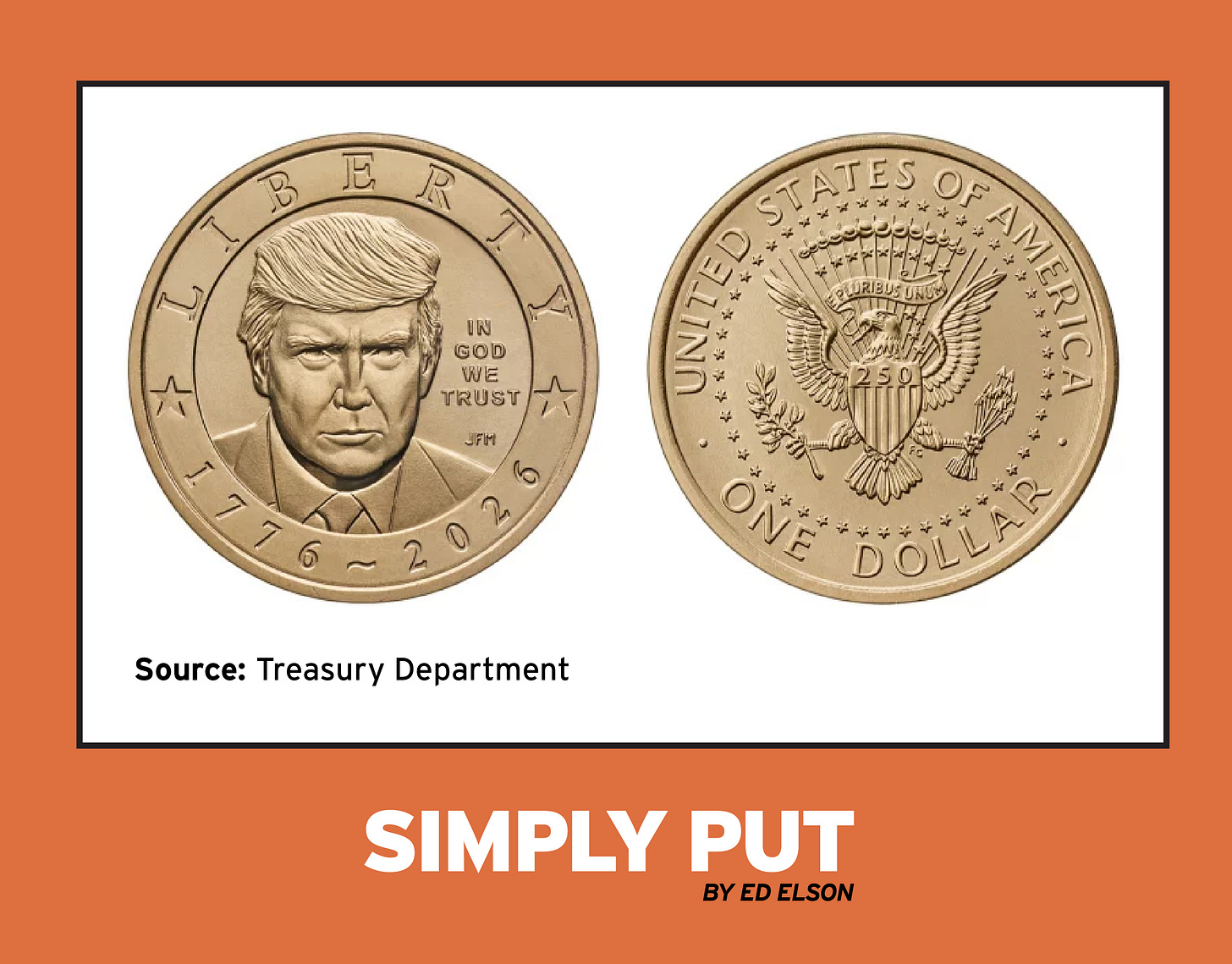
- Controversial moves like a $1 coin with Trump’s living image and persistent 2020 fraud claims are eroding his credibility and stoking Republican infighting.
Economic Anxiety Fuels Regret
Rising costs, policy contradictions, and voter disillusionment are fracturing Republican loyalty and deepening economic pessimism ahead of the midterms.
Economic pessimism grips a majority of Americans, with 59% doubting their chances of improving their standard of living and 48% expecting the national economy to worsen over the next year. This bleak outlook is compounded by persistent concerns over rising costs, especially gas prices, where 59% remain unconvinced that diplomatic efforts to end the U.S.-Iran conflict will bring relief. Despite a slight uptick in economic confidence in July, fueled mainly by Republicans, overall sentiment remains fragile and broadly negative, underscoring widespread financial unease ahead of the 2026 midterms.
President Trump's economic approval ratings have plunged to historic lows, with a -22 rating reflecting deep public dissatisfaction amid worsening economic conditions. This decline is fueled by a growing perception that his policies have exacerbated economic struggles, as 60% of Americans now say his economic approach has worsened the situation, up from 52% earlier in the year. The president’s recent decisions, including renewed tariffs and escalations in the Iran conflict, have further undermined Republicans' traditional advantage on cost-of-living issues, intensifying voter frustration and skepticism.
Economic hardship is translating into tangible voter regret and shifting political loyalties, particularly among working-class and independent voters. Individuals like Lance Sentic, a three-time Trump voter from rural Iowa, openly regret their support due to unmet promises on gas prices and energy costs, while analyses reveal declining grocery sales as consumers tighten budgets amid rising prices. This economic strain, coupled with contradictions in Trump’s policies—such as tariffs on generic drugs conflicting with his pledge to lower healthcare costs—deepens distrust and threatens to suppress Republican turnout in the upcoming midterms.
The economic divide deepens as a K-shaped recovery leaves asset owners benefiting from a strong stock market rally, while the majority face stagnant or worsening conditions. Real income growth has turned negative due to inflationary pressures worsened by geopolitical tensions, and rising mortgage rates have increased financial burdens for many households. Although the S&P 500 rose 21% over the past year, these gains largely reside in retirement accounts and do little to alleviate immediate economic pressures, reinforcing the pervasive economic pessimism that weighs heavily on voter sentiment and approval ratings.





Symbols and Grievances Backfire
Trump’s controversial gestures and relentless focus on past election claims are alienating moderates and undermining his credibility, even as he tries to rally his base.
President Trump's political messaging heavily relies on perpetuating unfounded claims about the 2020 election, including a promised but nonexistent 'smoking gun' and inaccurate voter fraud statistics, as a deliberate strategy to galvanize his base through fear and anger. This narrative not only energizes supporters but also serves a dual purpose: laying the groundwork for contesting the legitimacy of the 2026 midterm results if Republicans lose, thereby protecting Trump from accountability by ensuring a GOP-controlled Congress that can shield him from investigations into alleged crimes and impeachable offenses.
Trump’s symbolic political gestures, such as the unprecedented issuance of a $1 coin bearing his living image announced by Treasury Secretary Scott Bessent, break longstanding U.S. legal and cultural norms that prohibit living persons on currency. This move echoes authoritarian precedents set by leaders like Francisco Franco and Saddam Hussein, who used currency imagery to assert unchallenged personal authority. However, this act has sparked widespread public skepticism and criticism, viewed as a political faux pas that undermines democratic traditions and further erodes Trump's credibility beyond his core supporters.
Despite widespread skepticism and public protests overshadowing initiatives like the $17 billion 'Trump Accounts' investment program, Trump continues to recycle grievances about his 2020 election performance and claims of an economic 'golden age' marked by manufacturing returning to the U.S., citing examples like Toyota's supposed move from Mexico. These assertions clash with economic realities and growing dissatisfaction, particularly among non-MAGA Republicans, exposing vulnerabilities in his credibility on economic issues. His fixation on personal validation and election grievances nearly two years post-election highlights an inability to move beyond past controversies, limiting his appeal to broader audiences.
While Trump retains near-unanimous support within the MAGA base, his standing among non-MAGA Republicans is weakening, especially on economic matters exacerbated by external pressures such as high gas prices and the ongoing Iran conflict. Republican enthusiasm for the 2026 midterms lags behind that of Democrats, and any escalation in the Iran war, particularly involving ground troops, risks further dampening turnout and eroding Trump’s support. This dynamic complicates his efforts to mobilize the broader Republican electorate and maintain unified backing ahead of critical elections.



Swing Voters in Turmoil
Independent voters’ deep mistrust and shifting loyalties inject volatility into the midterms, as polarization and complex voter behavior blunt the impact of Trump’s unpopularity.
Independent voters emerge as a pivotal yet deeply pessimistic group shaping the 2026 midterm dynamics, with their economic confidence plummeting to a striking -38 rating just months before the elections. This economic malaise, coupled with a mere 27% of Americans expressing strong confidence in the accuracy of vote counts—only 16% among Republicans—reflects widespread skepticism that clouds voter engagement and complicates turnout predictions. Despite President Trump's historically low approval ratings, this ambivalence among independents, who are nearly evenly split on economic policy preferences (37% Democrat, 36% Republican), injects uncertainty into the electoral landscape, underscoring their role as a swing bloc whose disenchantment could sway outcomes.
Polarization over socialism and economic inequality intensifies voter divides, with Americans sharply split on which politicians they label as socialists, a dynamic that feeds into broader partisan tensions. This ideological chasm is mirrored in the so-called K-shaped economy, where asset owners thrive while others struggle, deepening economic and political polarization. Such divisions complicate voter behavior, as economic disparities and differing perceptions of socialism fuel skepticism and entrench partisan identities, making the midterm battleground more fraught despite Trump's unpopularity.
While Democrats currently hold a modest lead in generic congressional preferences and enjoy higher enthusiasm—70% say control of Congress 'really matters' compared to 60% of Republicans—their advantage is tempered by complex voter behavior that blunts the impact of Trump's unpopularity. Notably, 42% of voters, including 81% of Democrats, view their vote as a repudiation of Trump, yet a surprising 6% of registered voters disapprove of him but still intend to vote Republican, up from just 1% in early 2025. This paradox reflects nuanced subgroups among voters who disapprove of Trump but remain undecided or reluctant to back Democrats, highlighting the fragmented and unpredictable nature of midterm voter engagement.
Within the Republican Party, a stark divide between the MAGA base and non-MAGA Republicans shapes midterm enthusiasm and support for Trump. While MAGA loyalists offer near-unanimous backing, non-MAGA Republicans express lower enthusiasm, particularly concerning economic issues and foreign policy challenges like the Iran conflict, where only two in five Republicans support deploying ground troops. This internal polarization, combined with Republicans lagging Democrats in midterm engagement (22% vs. 39% having thought a lot about the election), threatens to dampen turnout and complicate GOP prospects despite Trump's solid core support.