Trump’s Iran gamble backfires: MAGA fractures, allies flee, and 25th amendment looms amid leadership meltdown
The gist
Donald Trump’s unraveling mental state and reckless war gamble with Iran have shattered his MAGA base, alienated allies, and triggered historic bipartisan calls for his removal under the 25th Amendment.
What to know
- By early 2026, Trump’s paranoia and psychological decline drove impulsive decisions—most explosively, launching a war with Iran based on ego and vague threats.
- His erratic Iran policy fractured MAGA loyalists, left the U.S. globally isolated (except for Israel), and sparked internal military resistance amid allegations of possible war crimes.
- Trump’s apocalyptic rhetoric and spectacle-driven governance have made both critics and allies demand urgent accountability, with bipartisan leaders openly invoking the 25th Amendment.
Psychological Unraveling at the Top
Trump’s escalating paranoia, black-and-white worldview, and grandiose delusions fueled reckless war decisions, purged dissenters, and left even MAGA influencers questioning his fitness.
By early 2026, Donald Trump’s psychological decline had become starkly evident, marked by escalating paranoia, malignant narcissism, and probable dementia that severely impaired his emotional regulation and decision-making. This deterioration manifested in impulsive, grandiose actions such as initiating war against Iran based not on concrete threats but on vague feelings and a desperate need to restore his fractured self-image, as seen in his readiness to emulate Netanyahu’s harsh tactics in Gaza despite the global risks involved.
Trump’s psychological defense mechanism of splitting entrenched a black-and-white worldview, demonizing adversaries like Iranians as 'savages' and framing conflicts in supremacist, religiously charged terms—a modern-day crusade narrative fueled by figures like Stephen Miller and amplified by Trump’s own Islamophobic rhetoric. This splitting not only deepened his paranoia but also alienated allies and reinforced his inner circle’s sycophantic loyalty, as dissenters were purged and replaced by compliant advisors such as General Dan Caine, further impairing critical decision-making.
Trump’s paranoia spiraled into a self-reinforcing cycle where feelings of shame from scandals like the Epstein files converted into externalized blame and grandiose delusions of omnipotence, driving reckless behavior including public threats of war crimes and erratic, blasphemous outbursts. This psychological unraveling eroded trust both domestically and internationally—his history of broken promises, such as the U.S. withdrawal from the Iran nuclear deal, compounded Iranian skepticism and complicated diplomatic efforts, while even MAGA influencers linked to Russian proxies began attacking his judgment, signaling his growing isolation.
Symbolic gestures like Trump’s obsession with constructing a 'GREATEST and MOST BEAUTIFUL Triumphal Arch' and performative declarations such as the 'WORLD’S MOST POWERFUL RESET!!!' reveal attempts to repair his damaged ego rather than reflect tangible political or military success. These acts underscore the accelerating psychological decline and grandiosity that dominate his worldview, as his decisions increasingly prioritize ego preservation over rational strategy, with his inner circle’s fearful sycophancy enabling this dangerous spiral.



Erratic War, Global Fallout
Trump’s impulsive, emotionally driven Iran strikes—lacking strategy and inflamed by supremacist rhetoric—isolated the U.S., hardened Iranian resistance, and triggered deadly escalation.
Trump’s erratic and impulsive approach to Iran policy has severely undermined traditional allied cooperation, alienating key partners except Israel and leaving the U.S. isolated in its military strategy. His casual framing of the conflict as an 'excursion' rather than a serious military engagement, coupled with contradictory statements about Israeli strikes such as the attack on Iran’s South Pars gas field, reflect a profound lack of strategic clarity and unstable management of the conflict’s escalation.
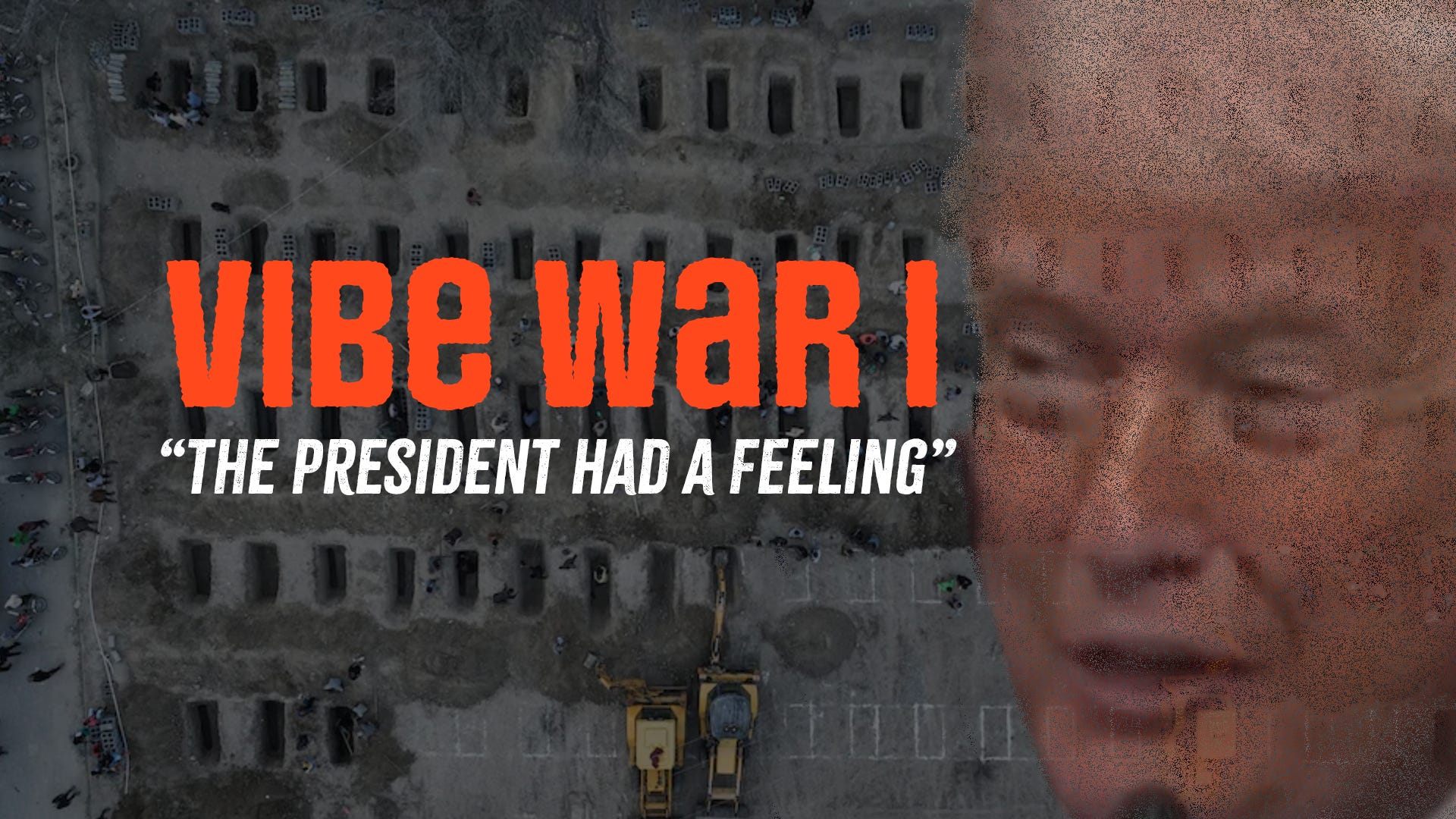
Driven by a deteriorating psychological state marked by dementia and narcissistic collapse linked to the Epstein scandal, Trump’s military actions against Iran have been propelled more by emotional impulses and grandiose self-image restoration than by concrete intelligence or strategic goals. The initiation of a massive U.S. military assault based on a vague 'feeling' of an imminent Iranian attack exemplifies this erratic decision-making, which has resulted in escalating violence, including the deaths of American service members and Iranian civilians, while advancing supremacist agendas rather than clear political objectives.
Trump’s aggressive rhetoric and dehumanizing language, exemplified by Stephen Miller’s characterization of Iranians as 'savages' and Trump’s mocking of Islam, have hardened Iranian resistance and diminished prospects for diplomacy. His use of the 'madman theory' is undermined by a history of broken promises, including withdrawing from the Iran nuclear deal, making it difficult for Iran to trust any commitments. This toxic mix of inflammatory communication and unreliable signaling has entrenched hostility and escalated tensions.
The administration’s Iran policy has been shaped by Trump’s emotional and fear-driven decision-making, heavily influenced by external actors like Israeli Prime Minister Netanyahu, who personally presented a regime change plan that resonated emotionally with Trump. This environment, where dissent is stifled by fear—as only JD Vance reportedly opposed the war plan—has fostered unchecked impulsivity. Trump’s compulsive need to assert dominance, described as a dangerous game of responding aggressively to perceived slights, risks further escalation and destabilization in the region.
MAGA Fractures, Loyalty Erodes
Trump’s Iran war shattered his base, as broken ‘no wars’ promises, chaotic personnel moves, and Israel-first perceptions drove key conservative voices and grassroots supporters to abandon him.
By early 2026, Trump’s escalation of military action against Iran shattered the unity of his MAGA base, fracturing it between those who felt betrayed by the abandonment of the 'no wars' promise and others who still defended the strikes as consistent with an 'America First' agenda. This division was starkly illustrated by figures like Vice President J.D. Vance, who had previously touted Trump as a president who started no wars but now faced credibility challenges amid rising American casualties and only 25% public support for the strikes. Meanwhile, conservative media voices such as Nick Fuentes vocally declared their departure from the movement, with Fuentes bluntly stating, 'I am off the Trump train' due to the regime change war with Iran.
Confusion and skepticism about the rationale behind the Iran strikes further deepened the MAGA base’s alienation, as reports emerged of inadequate military preparedness—highlighted by six troop deaths at a makeshift Kuwaiti facility lacking proper warning systems—and conflicting official narratives that undermined confidence. This skepticism was compounded by perceptions that the U.S. policy was being driven more by Israel’s timetable than by American strategic interests, with Senator Marco Rubio’s comments about Israel’s imminent attack fueling the sense among the America First wing that the administration had switched allegiances, intensifying internal dissent.
Beyond foreign policy, Trump’s erratic personnel decisions and contradictory messaging exacerbated fractures within his populist coalition, alienating conservative allies and grassroots supporters alike. The replacement of Kristi Noem with Markwayne Mullin—dubbed the 'gold medal winner' of the 'Dumbest Olympics for the Senate' by Norm Ornstein—and Trump’s apparent ignorance of Senate confirmation processes underscored a governance chaos that disillusioned many. Moreover, Trump’s prioritization of loyalty over competence, exemplified by selecting Mullin for his unquestioning adherence to Stephen Miller’s directives, further deepened dissatisfaction within the MAGA base.
Trump’s paranoid splitting behavior, characterized by attacking and excommunicating key influencers within his movement as 'Low IQs,' accelerated the backlash and fragmentation of his base, extending alienation beyond domestic supporters to important allies such as pro-Russian influencers like Tim Pool and Benny Johnson. This internal fracturing, coupled with broken promises on issues like releasing Epstein files and securing borders, led some observers to declare the MAGA movement effectively dead and predict significant political fallout, including a potential Democratic sweep in the midterms.
Allies Alienated, Trust Shattered
Trump’s dismissive diplomacy, public belittling of NATO, and authoritarian gestures left the U.S. friendless and emboldened adversaries, as even routine alliances crumbled amid spectacle and suspicion.
By early 2026, Trump’s erratic diplomacy and unilateral approach had profoundly alienated traditional U.S. allies, severely undermining coordinated international responses to the Iran conflict. Notably, aside from Israel, there was virtually no meaningful consultation with key partners, leaving figures like Japanese Prime Minister Sanae Takaichi scrambling to perform damage control during what should have been routine diplomatic reaffirmations. This breakdown in communication reflected a broader pattern of dismissiveness, as Trump trivialized the conflict by repeatedly calling it an 'excursion,' a framing that not only minimized the gravity of military mobilization but also strained diplomatic relations further.
Trump’s public belittling of allies and overt threats to NATO eroded the foundational trust necessary for collective security, leaving the U.S. increasingly isolated in critical geopolitical conflicts. Allies, having endured years of disparagement, found little incentive to back initiatives led by a president whose paranoia and malignant narcissism transformed trusted partners into perceived enemies. This self-fulfilling spiral of suspicion and aggression not only damaged U.S. credibility but also emboldened adversaries worldwide, as evidenced by Trump’s grandiose and authoritarian-inspired gestures—such as proposing a triumphal arch modeled after dictators like Hitler and Mussolini—that signaled a dangerous departure from traditional American diplomacy.
Further destabilizing international relations, Trump’s conspiratorial worldview manifested in bizarre proclamations like the invocation of the 'WORLD’S MOST POWERFUL RESET,' a cryptic escalation of the World Economic Forum’s 2020 'Great Reset' white paper. This sudden, unexplained rhetoric not only alienated allies accustomed to pragmatic engagement but also sowed confusion and mistrust among global partners, compounding the diplomatic fallout from his erratic behavior and reinforcing perceptions of an unpredictable and unreliable U.S. leadership.
Spectacle Over Substance
Trump’s presidency devolved into reality-show theatrics and apocalyptic threats, weaponizing media manipulation and public humiliation to control narratives while undermining stable governance.
By early 2026, Trump had fully weaponized reality-show production techniques learned from NBC’s iconic programming to dominate news cycles and public attention, employing tactics such as raising expectations, heightening tension, and rebooting narratives every two weeks. This media manipulation, exemplified by his apocalyptic threat that 'A whole civilization will die tonight, never to be brought back again,' reveals a governance style that prioritizes spectacle over substance, destabilizing traditional political discourse and institutional stability. Underlying this performative approach is Trump’s psychological drive rooted in his upbringing by a 'psychopathic father and a distant, sickly mother,' which fostered a relentless need for approval and control through public attention, translating into aggressive media posturing as a core tool of his leadership.
Trump’s governance increasingly relied on inflammatory rhetoric and public threats designed to shock and control narratives, such as openly threatening genocide and humiliating subordinates like former Florida Attorney General Pam Bondi. These provocative actions not only undermined stable governance but also fueled widespread calls for his removal, as his leadership style devolved into a spectacle-driven exercise in domination rather than policy-making. This pattern of behavior highlights a crisis in governance where media spectacle supplants democratic norms, creating instability both domestically and on the global stage.

25th Amendment on the Table
Trump’s explicit war crime threats, internal military defiance, and bipartisan alarm over his genocidal rhetoric triggered urgent calls for constitutional intervention to prevent catastrophe.
By early April 2026, Donald Trump's explicit threats to target Iranian civilian infrastructure, including power plants, crossed into the realm of potential war crimes, signaling a perilous escalation in presidential rhetoric that could inflict immeasurable suffering on Iran's 92 million citizens. This alarming behavior prompted bipartisan demands for urgent constitutional intervention, notably invoking the 25th Amendment, which requires the vice president and a majority of the Cabinet to declare the president unfit, followed by a two-thirds congressional vote. The failure of elected officials to act decisively risks their complicity in any ensuing atrocities, underscoring the grave stakes beyond partisan divides.
Trump’s genocidal rhetoric, epitomized by his chilling declaration that “a whole civilization will die tonight,” crystallized a severe leadership crisis that transcended political boundaries and demanded unflinching accountability. Commentators emphasized that the most vital guardrail against presidential excess is the character of the officeholder themselves, warning against normalizing or softening such extreme threats. This bipartisan imperative called for clear acknowledgment of the dangers and reinforced the necessity of constitutional safeguards to prevent further destabilization.
Despite Trump’s incendiary orders, including calls for massive war crimes, internal military resistance emerged, with CENTCOM commanders reportedly refusing to execute such commands, highlighting fissures within the administration amid the chaos. Meanwhile, Trump’s exploitation of reality show tactics—manipulating media cycles through heightened tension and prolonged teases—exacerbated the governance crisis by amplifying dangerous rhetoric and destabilizing international relations. This combination of internal pushback and external spectacle deepened concerns about the administration’s capacity to responsibly manage global security.
Voices like Mary Trump’s have spotlighted a troubling culture of enabling around the president, where aides and Republican allies either lacked the will or ability to restrain his harmful actions, thereby intensifying risks to national and global security. She condemned this enabling as a critical factor in the crisis, asserting that if unified opposition had existed earlier, the nation might have averted the current turmoil. Calls for accountability thus extend beyond Trump himself to those who facilitated his unhinged behavior, demanding real consequences for enablers within political and institutional spheres.