UAE emerges as global tokenization hotspot amid U.S. crypto woes
The gist
The UAE is stealing the global spotlight as the go-to hub for institutional tokenization, while U.S. crypto giants scramble to escape regulatory gridlock at home.
What to know
- By 2026, streamlined UAE regulations let institutions tokenize assets in just 4–5 weeks with full KYC, and retail access is expanding via intermediaries.
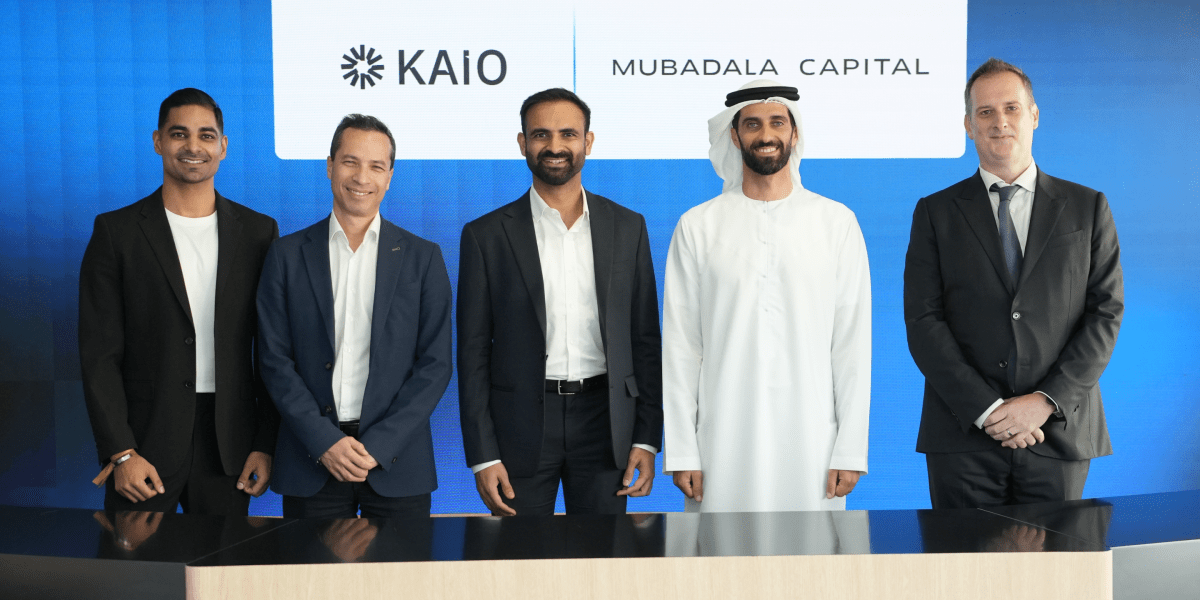
- Powerhouse deals like Mubadala Capital's $75M tokenized fund (with Coinbase and KAIO) span multiple blockchains—including Base, Solana, and Sui—blending traditional finance with cutting-edge on-chain management.
- As U.S. regulators turn up the heat, Coinbase pivots to Abu Dhabi, launching a tokenized securities hub to tap the UAE’s booming, clear-eyed digital asset market.
Regulators Fuel Tokenization Surge
Abu Dhabi and Dubai’s proactive regulators have built robust frameworks that transform tokenized assets from pilot projects into full-fledged, AI-supervised markets, attracting global giants and lowering barriers for both institutions and retail investors.
By early 2026, the UAE’s regulatory environment had matured to facilitate streamlined institutional tokenization processes, typically completed within four to five weeks through close collaboration with asset managers’ compliance teams. While some tokenizations, like BlackRock’s, involve distributors, most are conducted directly with asset managers, underscoring the regulatory clarity and operational flexibility that ADGM and related bodies provide. Although KYC remains mandatory for institutional products, ongoing efforts aim to broaden retail access via intermediaries with lower minimums, reflecting a nuanced approach to compliance and investor inclusion.
The Abu Dhabi Global Market’s Financial Services Regulatory Authority (FSRA) has been a trailblazer since 2018, establishing one of the world’s first comprehensive virtual asset regulatory frameworks that attract global giants like Coinbase and Binance. This framework enables innovative tokenization models—such as Coinbase’s international tokenization hub authorized to issue and custody tokenized securities—allowing verified investors to trade equities directly via crypto wallets without traditional brokerages. As Adam Popat, CEO of SettleMint, emphasizes, this regulatory depth transforms tokenized securities from mere pilots into full-fledged markets, positioning Abu Dhabi as a global leader in regulated tokenization infrastructure.
Complementing ADGM’s pioneering role, the Dubai Financial Services Authority (DFSA) has proactively enhanced its regulatory framework with revised crypto token rules and recognition of fiat-backed stablecoins effective from January 2026. By integrating agentic AI and adopting a risk-based supervisory approach, DFSA strengthens enforcement, cybersecurity resilience, and regional regulatory alignment, thereby boosting Dubai International Financial Centre’s competitiveness. These regulatory advancements have catalyzed significant growth in bank assets and capital market listings, reinforcing Dubai’s stature as a leading global financial hub embracing digital asset innovation.
The UAE’s regulatory ecosystem extends beyond licensing to encompass a minimum viable infrastructure critical for scaled tokenization adoption, including credible settlement systems, mature digital public infrastructure, and secondary market arrangements. This holistic approach supports diverse token issuance pathways—native, custodial, collateralized, and synthetic—while ensuring compliance with reserve management and disclosure standards, as seen in the institutional approval of stablecoins like RLUSD. Together with national digitization initiatives and deep pools of capital and talent, these frameworks create a collaborative environment that accelerates onchain capital markets and cross-border digital finance.



Multi-Chain Infrastructure Takes Hold
UAE institutions are leveraging a maturing multi-chain ecosystem, with strategic partnerships and regulated custody solutions enabling secure, 24/7 tokenized fund access and cross-border stablecoin transactions on blockchains like Ethereum, Solana, and Base.
By early 2026, the UAE's institutional tokenization process had been refined to a streamlined four to five weeks, with asset managers typically favoring Ethereum for its familiarity, though flexibility to select alternative layer one blockchains like Solana or Base was encouraged to meet specific demand. Access to these tokenized funds currently mandates full KYC compliance, underscoring a firm commitment to regulatory standards, yet efforts are underway to broaden retail participation through intermediaries with existing KYC frameworks, enabling investments as low as $100 without direct onboarding.
The UAE's multi-chain ecosystem is rapidly maturing through strategic partnerships and platform launches that enhance secure, compliant token issuance and settlement. Notably, Mubadala Capital’s Alternative Solutions Fund on Solana and Tryramp’s 24/7 stablecoin payments leverage Solana’s high throughput and low costs to overcome traditional banking constraints, while the collaboration between Changer.ae and Tether explores regulated USD₮-to-fiat conversions and cross-border virtual asset transfers within ADGM, reinforcing the infrastructure for continuous, secure digital asset transactions.
Institutional-grade custody solutions have become a cornerstone of the UAE’s tokenization infrastructure, exemplified by the partnership of BNY Mellon, Finstreet, and the ADI Foundation to offer regulated custody for Bitcoin and Ethereum, with plans to expand into stablecoins and tokenized real-world assets. This initiative integrates with ADI Chain, the UAE’s native blockchain infrastructure, bridging traditional finance and digital assets to facilitate secure 24/7 payments and asset management, as highlighted by BNY’s executive vice chair Hani Kablawi.
The regulatory approval of the RLUSD stablecoin within the Abu Dhabi Global Market marks a significant milestone in the UAE’s tokenization ecosystem, embedding a fully backed 1:1 USD stablecoin with stringent reserve management and disclosure requirements. RLUSD’s multiple regulatory endorsements, including from the New York Department of Financial Services, exemplify the robust compliance and transparency standards that underpin the UAE’s multi-chain infrastructure, ensuring trust and security in fiat-referenced token transactions for institutional investors.
Strategic Alliances Drive Innovation
Collaborations between sovereign-backed funds, major fintechs, and global custodians are rapidly expanding the UAE’s tokenization landscape, blending traditional finance with blockchain to broaden asset coverage and investor participation.
Institutional tokenization in the UAE is characterized by close collaboration among asset managers, compliance teams, and blockchain infrastructure providers, streamlining fund onboarding to a four-to-five-week process. Asset managers like Mubadala Capital and Hamilton Lane exhibit varying preferences between tokenizing feeder funds versus master funds, typically favoring Ethereum but remaining open to alternative blockchains based on demand and foundation engagement. This meticulous approach ensures full KYC compliance for institutional investors while simultaneously exploring retail access through intermediaries with low minimum investments, reflecting a balance between regulatory rigor and broadening market participation.
Mubadala Capital’s groundbreaking $75 million tokenized private markets fund, launched in partnership with Coinbase and UAE-based KAIO, exemplifies the power of strategic alliances in advancing institutional tokenization. By issuing the fund across multiple blockchains—including Coinbase’s Base, Solana, and Sui—and having Coinbase add the fund to its corporate balance sheet, this collaboration not only modernizes fund infrastructure but also signals a major U.S. publicly listed company’s pioneering use of regulated tokenized assets for on-chain treasury management. This initiative underscores a broader industry trend where sovereign-backed entities and leading fintech firms jointly drive innovation, expand investor access, and accelerate the fusion of traditional finance with blockchain technology.
The UAE’s tokenization ecosystem is further strengthened by collaborative efforts among custodians and infrastructure providers such as BNY Mellon, Finstreet, and the ADI Foundation, who have launched regulated Bitcoin and Ethereum custody services tailored for institutional clients. This phased rollout, beginning with Finstreet’s client base and expanding to ADI Chain’s blockchain infrastructure, exemplifies how established financial institutions are bridging traditional and digital finance to build robust custody solutions. Moreover, the initiative’s planned expansion to include stablecoins and tokenized real-world assets highlights a strategic, collaborative push to broaden asset class coverage and enhance market infrastructure within the UAE’s growing tokenization landscape.
Pioneering new asset classes and tokenization hubs, ADI Chain and Shipfinex are launching the first regulated maritime asset tokens targeting a $500 million portfolio of commercial vessels, while Coinbase has established a licensed international tokenization hub in Abu Dhabi, debuting innovative products like tokenized Apple stock certificates under FSRA regulation. These initiatives showcase how strategic partnerships between blockchain infrastructure providers, institutional investors, and regulators are driving market innovation by creating new, compliant digital asset classes and lowering barriers to global financial access. Together with the UAE’s proactive regulatory environment and collaborations involving major players like Mubadala Capital and Nest Exchange, these efforts position Abu Dhabi as a global leader in institutional tokenization and on-chain capital markets.
Scale and Sophistication Hit Records
With record-breaking platforms and major sovereign wealth funds accumulating regulated crypto assets, the UAE’s tokenized markets are achieving unprecedented scale, liquidity, and secondary market depth.
The UAE has rapidly cemented its status as a global powerhouse in institutional tokenization, exemplified by platforms like Dealing.com setting a Guinness World Record with over 24,000 tokenized stocks and more than 70,000 investment opportunities spanning 15+ global markets. This milestone underscores the emirate’s progressive regulatory framework and digital-first approach, which have been pivotal in enabling large-scale institutional adoption and liquidity enhancement in tokenized real-world assets.
Mubadala Capital’s launch of a $75 million tokenized private markets fund, in partnership with Coinbase and UAE-based KAIO, marks a watershed moment in the sophistication and scale of institutional tokenization within the UAE. Issued across multiple blockchains including Coinbase’s Base, Solana, and Sui, and backed by Coinbase’s direct investment and balance sheet inclusion, this initiative not only broadens investor access but also pioneers on-chain treasury management for major U.S. public firms, reflecting the UAE’s expanding secondary markets and technological ecosystem.
The UAE’s sovereign wealth funds, notably Mubadala and Al Warda, have demonstrated growing conviction in regulated tokenized crypto assets by amassing a combined $764 million stake in BlackRock’s iShares Bitcoin Trust over multiple quarters. This strategic accumulation via U.S. ETF infrastructure highlights a preference for regulated exposure that enhances liquidity and broadens secondary market participation, signaling a maturing institutional appetite for tokenized crypto within the region.
Institutional adoption in the UAE is accelerating beyond private markets, with major banks actively exploring tokenization across diverse asset classes including equities, bonds, deposits, and even gold. Supported by a robust regulatory environment in Abu Dhabi Global Market and a growing ecosystem of licensed virtual asset firms like Binance and Coinbase, the UAE is fostering a multi-chain infrastructure that not only drives liquidity but also positions the region to capture a significant share of the projected $500 billion GCC tokenized asset market by 2030.
Global Shifts Amid U.S. Turmoil
As U.S. legal pressure mounts on Coinbase, the UAE’s explosive 400% RWA growth and regulatory clarity are prompting a strategic migration of digital asset innovation and capital from West to Gulf.
By mid-2026, the UAE has emerged as a pioneering global hub for crypto innovation, driven largely by its advanced regulatory frameworks that have catalyzed a staggering 400% surge in tokenized real-world assets (RWA) on public blockchains, reaching approximately $37 billion. Despite this explosive growth, industry insiders remain cautious, debating whether this momentum reflects authentic institutional demand or if the sector is partly propelled by a strategic narrative shift aimed at capturing market attention and investment.
Concurrently, Coinbase Global confronts mounting legal and regulatory pressures in the United States, notably from the New York City Council and Attorney General, who have launched investigations and lawsuits alleging illegal gambling activities. This intensifying scrutiny not only inflates Coinbase’s compliance costs but also constrains its operations within a critical domestic market, prompting the company to recalibrate its strategy by establishing a regulated tokenized securities hub in Abu Dhabi. This move seeks to leverage the UAE’s burgeoning tokenization ecosystem and expand Coinbase’s footprint into higher-margin, internationally oriented digital asset services.
The contrasting trajectories of Coinbase’s U.S. legal entanglements and the UAE’s rapid tokenization expansion underscore a broader industry tension between regulatory risk and market opportunity. While Coinbase grapples with narrative and compliance challenges in its home market, its strategic pivot to Abu Dhabi exemplifies how firms are navigating regulatory arbitrage to capitalize on the growing institutional appetite—or at least the evolving narrative—for on-chain financial assets, thereby broadening their addressable markets amid shifting global dynamics.