Uber eats, DoorDash redefine retail with rapid delivery surge
The gist
Uber Eats and DoorDash are transforming U.S. retail by turning same-day delivery into a must-have for everything from beauty products to video game consoles.
What to know
- By mid-2026, both platforms added tens of thousands of retail storefronts—including Best Buy, Sephora, and GameStop—to their delivery menus.
- DoorDash teamed up with Shopify in July 2026, letting brick-and-mortar merchants offer instant delivery to 42 million monthly users without manual setup.
- DoorDash now accepts SNAP/EBT at Dollar Tree stores in 48 states, giving millions of low-income shoppers access to over 1,000 essentials in under an hour.
Uber Eats’ Retail Reinvention
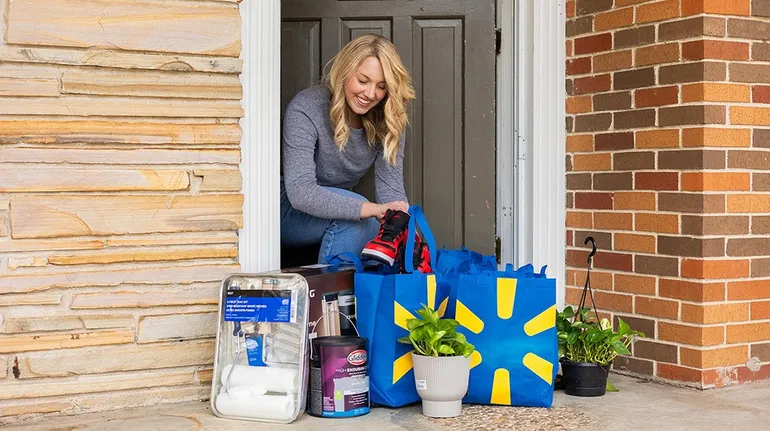
Uber Eats and DoorDash are racing to become all-in-one retail powerhouses, transforming their platforms with thousands of new storefronts, exclusive member perks, and on-demand access to everything from video games to pet supplies.
By mid-2026, Uber Eats had significantly broadened its marketplace beyond food delivery to encompass diverse retail categories such as skincare, sporting goods, pet supplies, and art materials. This expansion was propelled by strategic partnerships with major retailers including Best Buy, Dollar General, and Dollar Tree, collectively adding over 23,000 storefronts to Uber Eats’ platform. To further incentivize consumer adoption, Uber One members benefited from perks like waived delivery fees on eligible retail orders, enhancing the appeal of this multi-category offering.
Continuing its aggressive retail push, Uber Eats forged new alliances with GameStop and Foot Locker by July 2026, enabling on-demand delivery of video games, consoles, footwear, and apparel nationwide. These partnerships not only introduced thousands of additional storefronts but also complemented Uber’s existing retail categories such as beauty and electronics, reflecting a sustained effort since 2025 to transform Uber Eats into a comprehensive multi-category delivery platform.
Parallel to Uber Eats, DoorDash also expanded well beyond its food delivery roots by mid-2026, incorporating a wide array of retail categories including beauty, electronics, pet supplies, and health products. Collaborations with prominent retailers like Best Buy, Sephora, Petco, and PetSmart enabled DoorDash to offer same-day delivery often within 35 minutes, catering to urgent consumer needs such as forgotten essentials or last-minute gifts. Additionally, DoorDash enhanced user experience by integrating merchant rewards and facilitating in-store returns, thereby blending convenience with loyalty benefits in its multi-category retail service.


DoorDash Powers Local Retail
By embedding same-day delivery directly into Shopify, DoorDash is reshaping retail infrastructure—giving small merchants instant reach to millions while shifting control of customer relationships to the platform.
In July 2026, DoorDash and Shopify unveiled a seamless integration that allows U.S. brick-and-mortar Shopify merchants to automatically sync their inventory and product data with DoorDash’s platform, enabling same-day delivery without the need for separate onboarding or manual uploads. This innovation connects local retailers directly to DoorDash’s 42 million monthly users, transforming order fulfillment into a streamlined process where Dashers pick up items from physical stores and deliver them within as little as an hour. By embedding delivery capabilities directly into the Shopify ecosystem, this partnership significantly lowers barriers for smaller merchants to access fast fulfillment services that previously required substantial investment.
This integration signals a pivotal evolution of delivery platforms like DoorDash from mere transportation providers to indispensable retail infrastructure, effectively bridging merchants, customers, and local storefronts in a unified commerce experience. As DoorDash positions itself beyond logistics, it becomes a critical nexus for retail operations, enabling merchants to tap into expansive local delivery networks and real-time inventory management. However, this shift also introduces complex trade-offs: while smaller brands gain unprecedented speed and reach, they increasingly cede control over customer data and direct relationships, as order information and repeat-purchase dynamics now flow through DoorDash’s marketplace rather than the merchants’ own channels, potentially constraining their long-term competitive autonomy.
Rapid Delivery Becomes Routine
Nearly 40% of Americans now rely on rapid delivery for everyday groceries, fueling fierce competition as DoorDash overtakes Instacart and Amazon surges back with faster fulfillment.
By mid-2026, rapid delivery has firmly entrenched itself as a mainstream grocery shopping method, with 37.9% of U.S. consumers relying on it for most or all of their orders, reflecting a growing loyalty to speedy fulfillment. This shift is not limited to urgent needs; consumers increasingly use rapid delivery for a broad spectrum of household essentials, prompting retailers to market it as a 'full-basket shopping option' that accommodates everything from pantry staples to fresh produce and perishables.
The competitive landscape of rapid grocery delivery saw a notable change in 2026 as DoorDash overtook Instacart for the first time, capturing 45.2% of consumer usage compared to Instacart’s 43.9%, signaling a subtle but meaningful shift in consumer platform preference. Meanwhile, Amazon made a strong comeback, boosting its rapid delivery usage to 42% from under 35% the previous year, driven by expanded omnichannel efforts including 30-minute delivery options, underscoring the intensifying battle among major players to dominate this fast-growing segment.
Speed remains the cornerstone of rapid delivery’s appeal, as consumers value shorter fulfillment windows not only for convenience but also for preserving the freshness and quality of perishable goods. This capability enables shoppers to replenish fresh foods more frequently without the hassle of store visits, reinforcing rapid delivery’s role in reshaping shopping behaviors and compelling retailers to adapt their strategies to meet evolving consumer expectations.

SNAP Access Goes On-Demand
DoorDash’s nationwide expansion of SNAP/EBT payments at Dollar Tree is redefining food security, making affordable essentials just an hour away for millions of low-income families.
By mid-2026, DoorDash significantly advanced payment accessibility by expanding SNAP/EBT options to all eligible Dollar Tree stores nationwide, covering 48 states and enabling low-income consumers to order over 1,000 SNAP-eligible essentials with delivery times averaging under an hour. This move not only broadened affordable access but also integrated convenience into the on-demand grocery experience for millions relying on government assistance.
With over 4.5 million consumers already utilizing SNAP payments on DoorDash’s platform, which boasts more than 57,000 participating stores, the expansion to Dollar Tree marks a pivotal step in inclusivity. A 2025 survey underscored this impact, revealing that 71% of SNAP users felt delivery services helped them maintain adequate monthly food supplies, highlighting how DoorDash’s innovations are reshaping food security for vulnerable populations.
Executives from DoorDash and Dollar Tree have emphasized that their partnership is more than a business arrangement; it represents a shared commitment to enhancing both convenience and affordability for families dependent on SNAP benefits. This collaboration exemplifies how on-demand retail platforms are evolving to address inclusivity, ensuring that essential goods are accessible to underserved communities nationwide.