UK’s under-16 social media ban sparks global VPN surge and privacy showdown
The gist
Britain’s bold under-16 social media ban is igniting a global privacy firestorm, sparking VPN surges, fierce opposition from Big Tech, and a fierce debate over digital freedom versus child safety.
What to know
- The UK will require face scans or government IDs for all new social media users under a law set to take effect by spring 2027, with 69% of adults and 90% of parents backing the move.
- Civil rights groups warn that sweeping age checks could kill online anonymity for everyone and fuel massive data privacy risks.
- Teens are already bypassing bans using VPNs—UK usage surged up to 1,800% after the law—while Australia’s similar restrictions failed to keep 85% of under-16s offline.
Political Push Meets Public Divide
The UK government is betting on tough new laws and strong public backing to battle tech giants, but support plummets when enforcement means sacrificing privacy or banning VPNs.
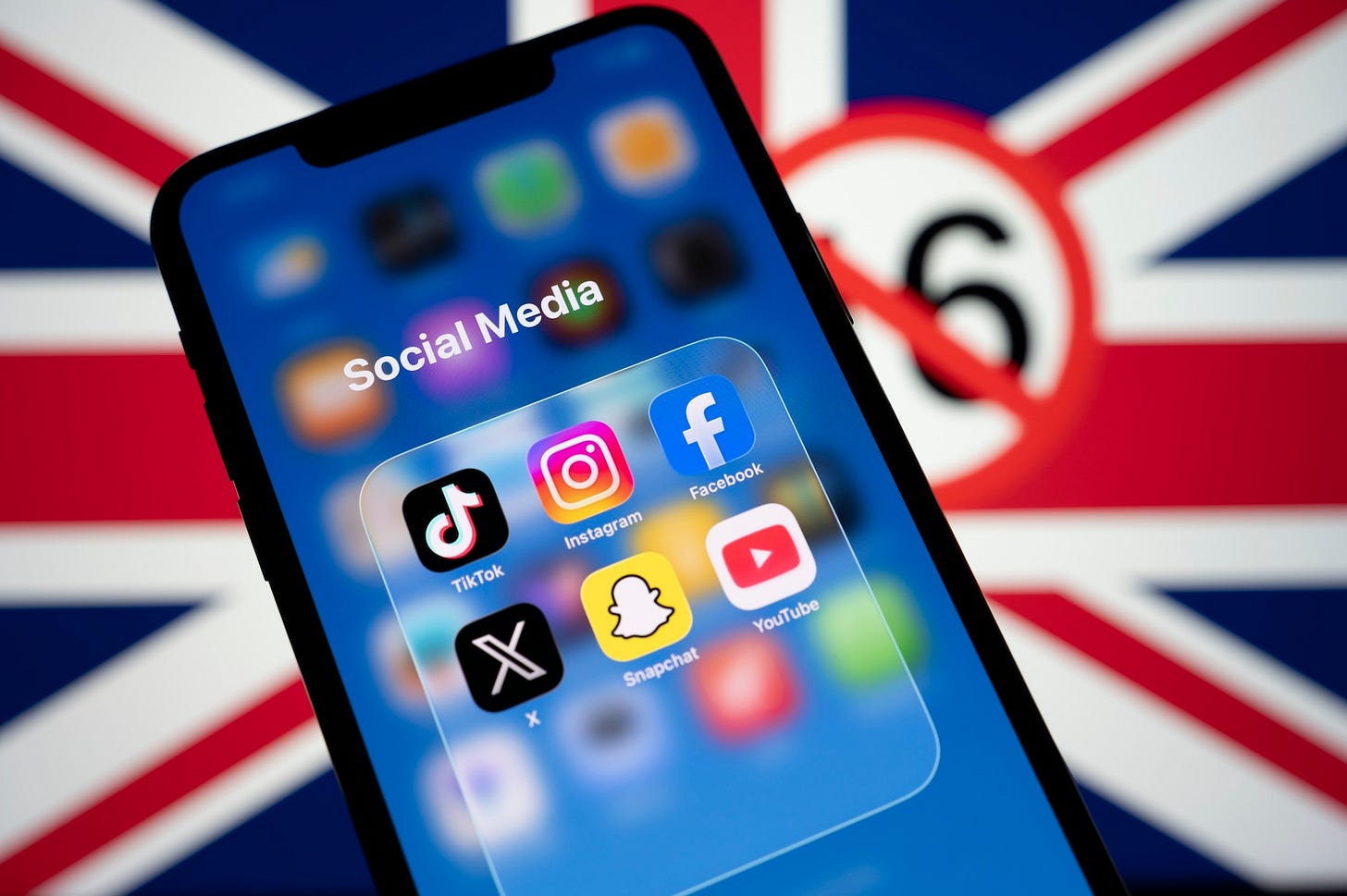
Under Prime Minister Keir Starmer's leadership, the UK government is vigorously advancing legislation to ban children under 16 from major social media platforms such as Snapchat, TikTok, YouTube, Instagram, Facebook, and X, with an expected parliamentary vote by December 2026 and implementation by spring 2027. Starmer acknowledges this as a dramatic move that will face strong opposition from big tech companies, reflecting the government's commitment to protecting children from harmful online content while still allowing access to messaging services like WhatsApp to maintain nuanced digital interactions.
Political advocates like Baroness Byron Kidron emphasize the crucial role of government regulation in addressing the power imbalance between vulnerable children and tech giants armed with behavioral psychology and lobbying resources. The proposed law places direct accountability on social media companies, threatening fines and business disruptions if they fail to prevent under-16 access, signaling a cultural shift aimed at challenging the normalization of exposing children to harmful content and reshaping societal norms around childhood in the digital age.
Public support for the under-16 social media ban is robust, with 69% of British adults in favor and particularly strong backing from parents, nine out of ten of whom support the measure according to consultation responses. While enthusiasm wanes if enforcement requires nationwide ID verification or VPN bans—dropping support to around 50% or below—most Britons anticipate positive outcomes in reducing children's screen time and online harms, reflecting a broad societal consensus that responsibility for protecting youth online is shared among parents, tech companies, the government, and regulators.
Maintaining public support hinges on political and regulatory leaders addressing privacy and practical concerns related to age-verification infrastructure, as highlighted by Ipsos UK's Alex Bogdan. Within the Labour Party, there is strong alignment with the government's approach, viewing the ban as a forward-looking measure for future generations despite anticipated circumvention attempts by some children. This initiative fits into a wider strategy to ensure technology and AI serve beneficial roles safely, with figures like AI and online safety Minister Kanishka Narayan praised for their adept handling of these complex issues.

Anonymity Under Threat
Sweeping age checks risk ending online anonymity for everyone, creating massive data honeypots and exposing marginalized users to new layers of surveillance and exclusion.
The UK government’s under-16 social media ban and mandatory age verification threaten to erode online anonymity and free speech for all users, not just minors. By requiring users to prove their age through intrusive methods such as bank details, face scans, or government IDs, the policy risks exposing adults’ identities and dismantling vital firewalls that protect privacy, potentially enabling state surveillance and repression. As Big Brother Watch’s director Silkie Carlo warns, these measures mean 'anonymity is dead for the whole of the British public,' reflecting a broader global trend seen in countries like Germany and Turkey aiming to end online anonymity altogether.
Experts and civil rights advocates criticize the UK’s approach as both ineffective and overreaching, pointing to Australia’s social media ban—considered a global benchmark—that has failed to prevent underage access, with about 70% of parents reporting their children still use major platforms. Despite these shortcomings, Prime Minister Keir Starmer insists on an 'Australia-plus' model with more stringent age assurance, risking intensified censorship and surveillance without addressing enforcement challenges. Labour MP Emily Darlington highlights how teens in Australia circumvented restrictions by migrating to less regulated platforms, underscoring the futility of such bans.
Mandatory age verification systems raise profound privacy and equity concerns by creating centralized databases of sensitive personal data vulnerable to hacking and misuse. These technologies often misidentify or exclude marginalized groups—including people of color, disabled individuals, and transgender users—thereby threatening equitable access and online anonymity. Parental consent requirements further compound privacy risks by linking child and parent accounts, disproportionately impacting low-income, non-traditional, and immigrant families. This data aggregation creates 'massive data honeypots' that invite identity theft and permanent surveillance, as noted in multiple expert analyses.
The enforcement of these regulations, potentially overseen by bodies like the FTC and state governments, risks overreach that could chill free expression by pressuring platforms to surveil users excessively or shut down communication channels to avoid liability. Critics caution that the trade-off between preventing misuse and preserving communication freedom is delicate, with government mandates threatening to tip the balance toward censorship and loss of privacy. The KIDS Act exemplifies these concerns by allowing government control over platform design and imposing restrictions that censor speech of both adults and minors alike, raising alarms about the erosion of First Amendment protections.



Teens Shift, Risks Rise
As bans drive youth off mainstream apps, their digital lives migrate to shadowy platforms and private channels, raising new safety concerns and complicating efforts to protect mental health.
The UK law imposes direct accountability on tech companies to shield children from harmful online content, with enforcement measures including fines and business disruptions, emphasizing protection over outright prohibition. As one expert put it, the term 'ban' is somewhat crude; the legislation focuses on preventing exposure to inappropriate content, predatory interactions, and addictive behaviors, signaling a nuanced approach to safeguarding youth online. This legal framework aims to recalibrate cultural norms that had normalized early exposure to pornography, self-harm material, and targeted advertising, challenging the adult world's previous complacency.
While the social media ban restricts under-16s from mainstream platforms, youth culture and digital influence have not diminished but rather migrated to less visible and more fragmented spaces such as private chats, gaming worlds, and alternative platforms like Tumblr (up 241%) and Discord (up 39%). Social media consultant Matt Navarra highlights that trends around beauty drops and sneaker launches persist, but the path from trend to purchase has become less direct, complicating brand marketing strategies that now must navigate a diffuse and conversational Gen Alpha landscape.
Experts warn that the ban risks pushing teens into less regulated and potentially unsafe online environments, undermining their social connections and mental well-being. Critics argue that tech companies evade responsibility by shifting blame onto youth through bans instead of addressing fundamental ecosystem flaws and prosecuting online harm perpetrators. This approach, despite broad bipartisan public support for restricting youth smartphone and social media use, oversimplifies complex mental health issues that also stem from demographic shifts, increased discrimination, and adult mental health challenges, as noted by child psychologist Candice Odgers.



Global Arms Race on Enforcement
Skyrocketing VPN use, regulatory loopholes, and international copycat laws reveal that governments face an uphill battle turning age verification mandates into real-world results.
The UK’s Online Safety Act has inadvertently fueled a dramatic surge in VPN usage, with NordVPN reporting a 1,000% spike in purchases and Proton seeing an 1,800% increase in daily sign-ups shortly after the law’s July 2025 implementation. This surge underscores the enforcement challenges posed by VPN circumvention, as some pornography websites that ignored the age verification law actually doubled or tripled their UK audiences, revealing significant gaps in regulatory reach despite government monitoring efforts using AI tools.
Canada’s proposed Safe Social Media Act mirrors the UK’s under-16 ban but takes a notably robust regulatory stance by establishing the Canadian Digital Safety Commission with powers to impose fines up to $10 million or 3% of global revenue and mandate rapid removal of harmful content, including AI-generated deepfakes. This comprehensive approach highlights a growing trend among governments to not only restrict underage access but also aggressively tackle broader online harms through empowered enforcement bodies.
Australia’s experience with its under-16 social media ban reveals the practical difficulties of enforcement, as over 85% of teens continue accessing platforms despite age checks, often bypassing restrictions through fake accounts or using others’ profiles rather than VPNs, which remain relatively rare among youth. In response, Australia is doubling fines to A$99 million and expanding the eSafety Commissioner’s investigative powers, signaling an intensified but still challenging effort to translate legislation into effective age assurance, a cautionary tale for countries like the UK adopting similar policies.
International attitudes toward VPN restrictions vary widely, reflecting a tension between enforcement ambitions and privacy concerns. While Malaysia is cracking down on VPN misuse but maintains their legality, New Zealand has outright rejected VPN restrictions following fierce privacy backlash, and Australia acknowledges the impracticality of banning VPNs due to their essential role for businesses. This divergence illustrates the complex balance governments must strike between curbing circumvention of age restrictions and preserving digital privacy and business functionality.