Ulsan’s underwater data center spurs global race—and doubts
The gist
South Korea’s $37M underwater data center in Ulsan is sparking a global race to sink AI computing beneath the waves—while raising tough questions about sustainability, security, and red tape.
What to know
- Ulsan’s submerged servers, cooled by seawater, fail at just one-eighth the rate of land-based machines and slash energy costs.
- Pairing offshore wind and tidal power with underwater cooling—already underway in China and Japan—can cut cooling energy use by at least 30%.
- Despite the eco-buzz, major players like Microsoft have pulled back due to difficult permits and maintenance headaches, leaving the future of these ocean data hubs hotly contested.
AI’s Deep-Sea Tech Revolution
Underwater data centers are driving a leap in server reliability and energy efficiency, fueled by advanced liquid cooling and ocean-powered innovations that are reshaping global AI infrastructure.
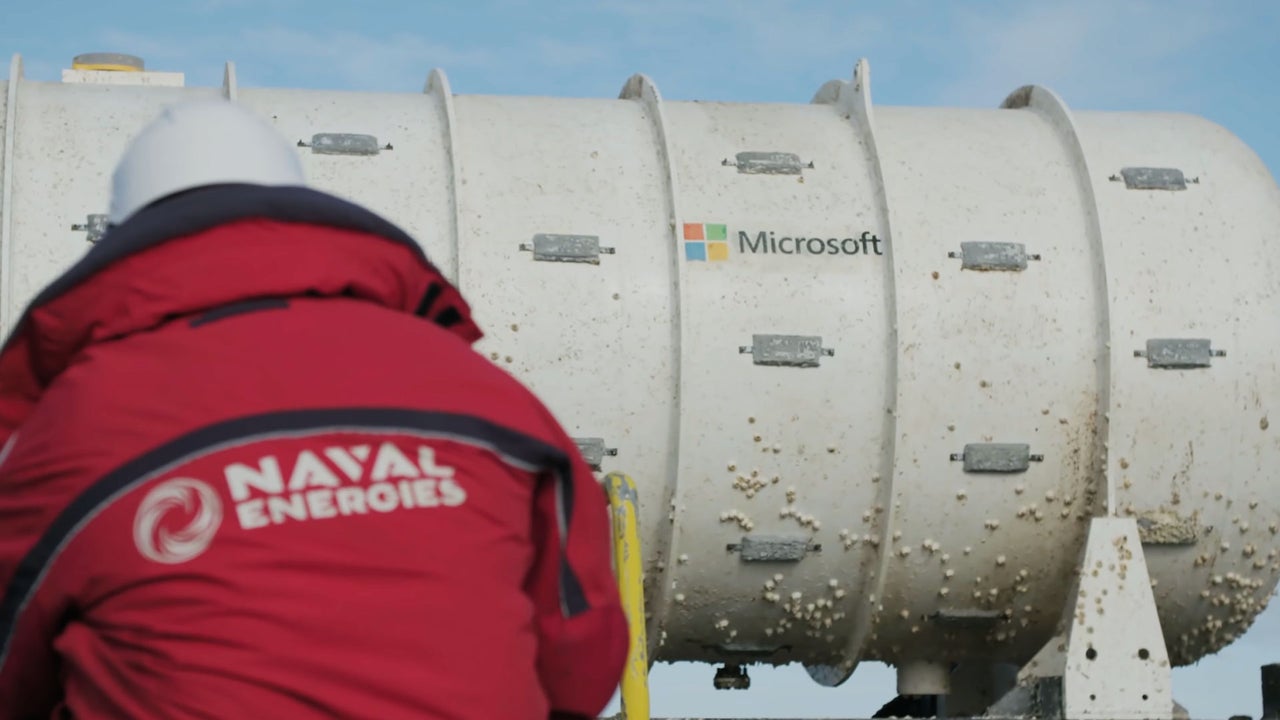
South Korea's $37 million underwater data center project in Ulsan exemplifies a cutting-edge approach to managing the soaring compute demands of AI workloads by harnessing the stable, low-temperature environment of seawater for natural cooling. This innovation not only drastically reduces cooling costs and eliminates the need for fresh water but also significantly enhances server reliability, as demonstrated by Microsoft's findings that underwater servers fail at about one-eighth the rate of their land-based counterparts due to reduced exposure to oxygen, humidity, and temperature fluctuations.
The evolution of underwater data centers is marked by sophisticated liquid cooling technologies and power delivery solutions that address the extreme heat output and energy demands of modern AI racks. Techniques such as cold-plate liquid cooling with quick-disconnect couplings enable efficient heat removal at power densities of around 120 kilowatts per rack, while innovations like Huawei's consolidated bus bars facilitate blind-mate rack-level insertion, streamlining server installation by simultaneously connecting power, networking, and water. More radical advancements include Sugon DataEnergy's C8000 system, which submerges entire servers in non-conductive fluorinated fluid using boiling-based cooling to support megawatt-class deployments with superior heat dissipation.
Integrating seawater cooling with renewable energy sources such as offshore wind, solar panels, and tidal turbines represents a pivotal technological advancement that reduces both power consumption and environmental impact of underwater data centers. China's wind-powered underwater facility cuts electricity use for cooling by at least 30%, while Japan's floating data centers combine seawater cooling with solar energy and battery storage to minimize reliance on treated water and land. Additionally, proposed projects like Maine's submersible AI data center aim to harness tidal turbines, showcasing a growing trend toward sustainable, ocean-powered data infrastructure.
While underwater data centers offer promising improvements in energy efficiency and server reliability, significant technical and regulatory challenges remain, including complex environmental permitting and constraints on rapid equipment upgrades. Microsoft's discontinuation of its underwater data center project in 2024 underscores these hurdles, highlighting the need for regulatory frameworks that can keep pace with the fast-evolving demands of AI infrastructure and the unique maintenance requirements of submerged facilities.


Sustainability Meets Public Pushback
Ocean-based data centers promise lower emissions and water use, but face new environmental risks and regulatory barriers as public opposition shifts projects away from land.
Underwater data centers, such as South Korea's $37 million Ulsan project and China's wind-powered facility, harness naturally cool seawater to dramatically reduce electricity consumption and fresh water use compared to traditional land-based centers. By leveraging seawater cooling and renewable energy sources like ocean wave turbines and offshore wind, these ocean-based infrastructures can cut power needs by around 30% and significantly lower carbon emissions, addressing critical environmental concerns tied to AI's growing energy demands.
This shift toward ocean-based data centers is driven not only by environmental benefits but also by mounting community backlash against land-based facilities, which face opposition due to their high electricity and water consumption, noise, and land use. Projects like Singapore's floating data center emphasize alleviating land constraints while responding to public resistance, as evidenced by a Gallup poll showing 70% of Americans oppose local AI data center construction, prompting companies to explore offshore alternatives.
Despite promising sustainability gains, underwater data centers introduce new environmental and regulatory challenges, including potential harm to marine ecosystems and complex permitting processes. Microsoft's pioneering underwater project demonstrated reduced server failure rates thanks to stable underwater conditions but was discontinued in 2024 due to regulatory hurdles and operational difficulties, underscoring that relocating servers underwater does not eliminate energy consumption or carbon emissions and raises fresh concerns about marine impact and governance.
Data Centers as National Icons
Countries are building visually striking, energy-integrated data campuses to secure AI sovereignty and transform public sentiment from skepticism to pride.
Maintaining domestic compute infrastructure is paramount for national security, as reliance on foreign countries for critical AI and computing capabilities poses strategic vulnerabilities. This imperative drives efforts to co-locate data centers with high-performance manufacturing and energy generation facilities, creating integrated campuses that not only meet massive energy demands but also enhance economic competitiveness by fostering innovation hubs. By bringing net new energy generation alongside consumption, such as through renewable energy campuses, countries can ensure resilient, self-sufficient infrastructure that safeguards their technological sovereignty.
Beyond functionality, there is a growing recognition that data centers should be designed as visually striking landmarks to cultivate public enthusiasm and national pride in AI leadership. Transforming these facilities from mere warehouses into architectural icons or 'museums' can shift public perception from fear to excitement about technological progress. This aesthetic strategy, as emphasized by industry voices, aims to position AI infrastructure as a symbol of innovation and strength, reinforcing its strategic importance in the national security landscape.

Vertiv’s Quiet Ocean Gold Rush
As AI fuels a surge in liquid cooling demand, Vertiv and its partners are quietly powering the ocean data center boom with essential energy and thermal management solutions.
Vertiv stands out as a pivotal player in the emerging ocean-based data center ecosystem, leveraging its decades of expertise in thermal and energy management to serve diverse environments—from traditional landlocked facilities to containers anchored in the Pacific. This strategic positioning as a 'shovel seller'—a neutral supplier providing essential infrastructure components—enables Vertiv to capitalize on the expanding market regardless of which ocean data center locations ultimately dominate. Their role underscores the critical importance of integrated energy and thermal management solutions in supporting the AI-driven surge in demand for advanced cooling technologies.
The rapid rise of AI workloads has unexpectedly accelerated demand for liquid cooling systems, creating fertile ground for industry collaboration and investment focused on suppliers like Vertiv who specialize in integrated thermal management. This surge not only highlights the technological challenges of deploying data centers in ocean environments but also fosters a broader ecosystem where startups, technology providers, and investors converge to innovate around energy efficiency and sustainability. By early 2026, the ocean-based data center trend has thus become a catalyst for new partnerships aimed at overcoming the unique operational hurdles of marine deployments.