Yum! surges on q3 beat despite taco bell outbreak woes
The gist
Yum! Brands beat Q3 expectations and won over Wall Street—even as Taco Bell battled a major Cyclospora outbreak and the company hit the gas on its Pizza Hut exit and KFC reboot.
What to know
- Q3 earnings landed at $1.56 EPS and $2.05B revenue, outpacing forecasts despite Taco Bell’s 4% sales slump from a lettuce-linked outbreak.
- Yum! advanced the $2.7B Pizza Hut sale to slash debt and bankroll buybacks, with proceeds crucial for shoring up a hefty 4.43x net debt-to-EBITDA ratio.
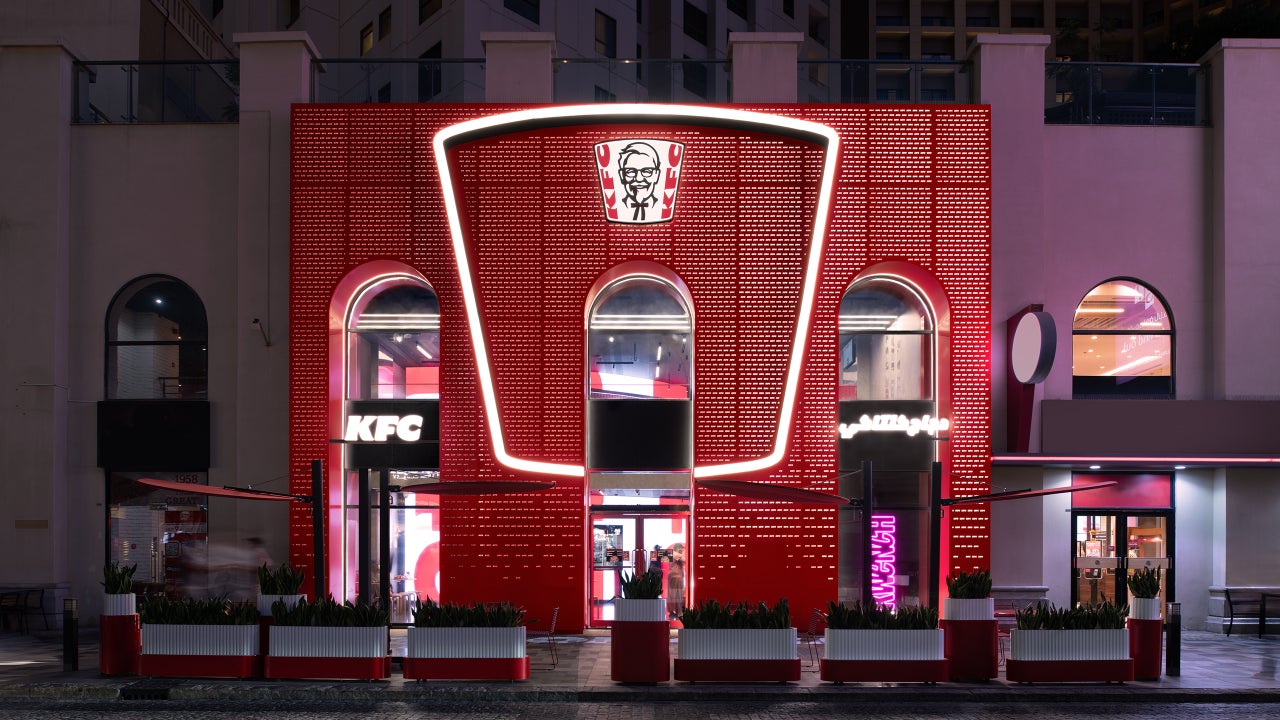
- KFC’s Dubai Muse flagship is now the blueprint for global growth, delivering longer visits, bigger checks, and a digital boost to offset short-term Taco Bell pain.
Pizza Hut Exit Reshapes Yum!
Yum!'s $2.7B Pizza Hut divestiture marks a strategic pivot, unlocking billions for buybacks and debt reduction while shifting focus to higher-margin brands like KFC.
In early November 2026, Yum! Brands reported Q3 earnings that beat expectations even as Taco Bell’s sales fell after a Cyclospora outbreak. The company also advanced its Pizza Hut divestiture and KFC’s Dubai flagship expansion, giving investors fresh evidence that the portfolio reset was moving from plan to execution.
Analysis said the board unanimously approved selling the entire Pizza Hut division for $2.7 billion in June 2026, with Long Range Capital buying operations outside China for $1.5 billion and Yum China Holdings taking mainland China for $1.2 billion. The deal was expected to produce roughly 2.3 billion in net proceeds after taxes and transition costs, including $1.5 billion for buybacks, while Pizza Hut’s 27.6% operating margins had made it a profitability drag. KFC’s 43.1% share of segment revenue, nearly 35,000 units, and 90% of stores outside the U.S. supported the growth case, and the market reaction after 3 earnings and 3 results turned more bullish as analysts upgraded the stock.

Taco Bell Outbreak’s Ripple Effect
A deadly lettuce-linked outbreak at Taco Bell triggered a crisis of trust and margin compression, forcing Yum! to overhaul operations and double down on digital growth.
Taco Bell’s problem is not a routine sales wobble but a compounded operating and trust crisis: the cyclospora incident was described as a “severe cyclospora outbreak linked to Taylor Farms to Mexico iceberg lettuce,” with the CDC reporting 10,930 confirmed infections, over 400 hospitalizations, and two deaths in Michigan. That shock forced Yum! to absorb direct business damage, with Taco Bell same-store sales down 2% and corporate store margins expected to compress to between 19% and 21%, while repeated case reports and public scrutiny made recovery dependent on painstaking supply-chain cleanup and sustained traffic rebuilding rather than a quick promotional fix, making the upcoming Q3 report a key catalyst for judging whether the reset is gaining traction.
That pressure matters more because Yum! entered the reset with limited balance-sheet slack: it was described as “highly leveraged,” carrying $12.28 billion in gross debt and a net debt-to-EBITDA ratio of 4.43 times, or roughly four and a half years of cash profit tied up in debt. Against that backdrop, the company’s answer is portfolio-driven capital reallocation, with the “low margin capital intensive Pizza Hut business finally gone” supporting a cleaner, simpler company and about US$2.3 billion of proceeds being redirected toward debt reduction and share repurchases, giving management more room to keep investing in Byte and marketing as the rising 61% digital sales mix and ongoing KFC store openings help offset Taco Bell pressure ahead of the November 3 Q3 report, as Yum! is due to report its Q3 numbers on the 3 rd of November, before the market opens, offering an upcoming catalyst for evaluating progress across Taco Bell, Pizza Hut, and KFC.


Dubai Muse Sets KFC’s Future
KFC’s Dubai Muse flagship is redefining the chain’s global playbook, blending immersive store design, premium menu upgrades, and digital integration to drive longer visits and higher spending.
KFC’s Dubai Muse flagship looks less like a flashy one-off and more like a prototype for how the chain wants to grow next: by making stores places customers stay longer, spend more, and interact more deeply with the brand. Simply Wall St said the concept emphasizes hospitality and longer in-store visits, while pairing an evolved design with the Kinetic Bucket, KWENCH specialty drinks, and the customizable KFC MIX'D format—features it said give KFC more ways to drive higher checks and longer visits inside an experiential store concept.
That matters because the Dubai opening fits a wider redesign agenda already underway, not a narrow menu tweak or isolated international experiment. Fast Company reported KFC is testing a “restaurant concept of the future” after years of trying new chicken concepts, beverages, and brand approaches, and KFC U.S. president Catherine Tan-Gillespie, who took over in April 2025, said: “It was so obvious that there’s this huge latent love for the brand,” framing the task as keeping it current; as Simply Wall St noted, “If the Muse format and KWENCH platform scale effectively into new builds and remodels, they could tie into the identified 20,000 unit KFC whitespace and Yum!'s Byte digital rollout.”

Earnings Beat Fuels Investor Optimism
Despite Taco Bell’s setback, Yum!’s Q3 earnings surge—powered by tax gains and strategic capital moves—prompted analysts to boost targets and reaffirm confidence in the company’s resilience.
Yum! Brands’ early-November Q3 results gave investors a clearer picture of resilience than the Taco Bell setback alone suggested. CNBC reported $1.56 EPS, ahead of expectations, even as Taco Bell sales fell 4% amid a lettuce-related outbreak. Earlier analysis showed why the earnings quality mattered: GAAP net income jumped 128% to $853 million, helped by a one-time $359 million net deferred tax benefit tied to the planned Pizza Hut sale, while non-GAAP adjusted EPS of $1.62 still beat estimates. Free cash flow came in at $407 million, missing analyst expectations of $549 million by almost 26%, but management said it was a strategic acceleration of capital deployment rather than a simple business decline.
That distinction helped shape the market’s response after the release, because investors could see both near-term pressure and a still-robust earnings base. Simply Wall St said the Q3 2026 numbers, with US$2,054 million of revenue and US$1,623 million of net income, reinforce that the earnings base is currently robust, even while Taco Bell remained the short-term swing factor. Brands’ Q3 reporting signaled a more bullish market response despite ongoing operational concerns tied to Taco Bell, and TradingView said RBC lifted Yum! Brands’ target to $180, a 5.9% valuation upgrade that reflected confidence in earnings durability and strategic progress.