What practice helped you scale your organization fastest?
The answers split between focusing on people—through hiring, leadership, and coaching—and emphasizing organizational practices like urgency, clear goals, customer focus, and team structure.
11 answers
Answers


Cameron McCord
Co-Founder, CEO · Nominal
Talk to Customers
Cameron McCord says that when in doubt, the answer is to go talk to customers, because action produces information and you won't get answers without taking action.
The answer starts at 34:28.
The Luba Show · Listen on Apple Podcasts

Sam Altman
Chief Executive Officer · OpenAI
Clear goal
Sam Altman says a clear goal, a clear plan to get there, and a clear way of making decisions along the way are very important for organizing humans at scale, citing OpenAI's bet on scaling deep learning as an example.
The answer starts at 10:29.
Stanford Online: University Courses & Lectures · Listen on Apple Podcasts
Chase Lochmiller
Co-Founder and Chief Executive Officer · Crusoe
Maintaining urgency
Chase Lochmiller says his company continues to move with incredible urgency, and he tries to eliminate any sense of entitlement or comfort, citing Elon Musk's ability to hold urgency and opportunity in tension.
Sequoia Capital · Watch on YouTube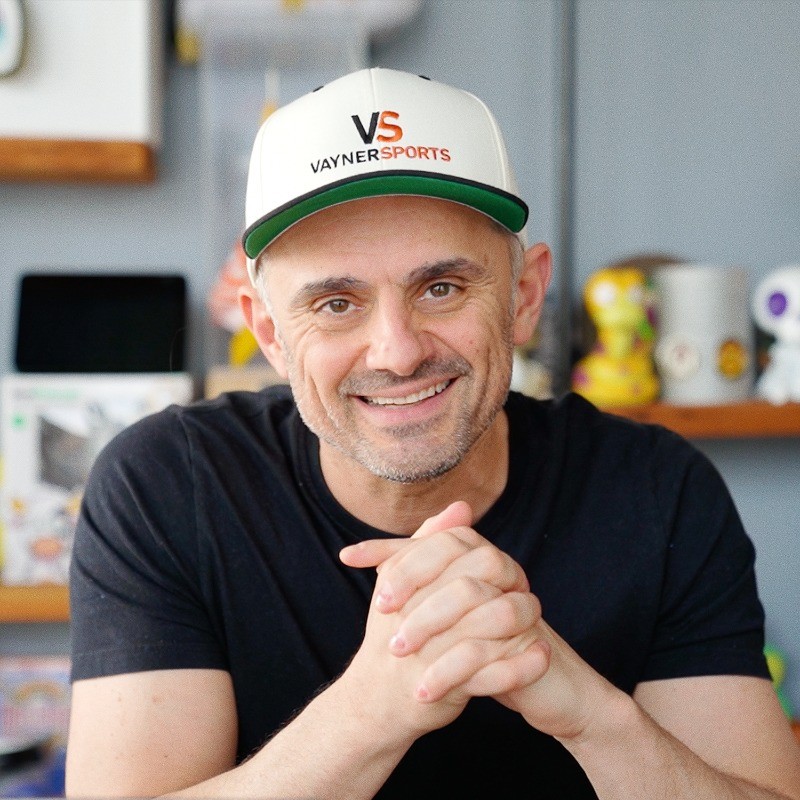

Gary Vaynerchuk
Chairman of VaynerX, CEO of VaynerMedia · Vaynerx
Hiring senior people
Gary Vaynerchuk says hiring senior people was required, recalling that he initially hated bringing in senior hires but that the right ones helped VaynerX grow from $100 million to $400 million in revenue.
The answer starts at 25:08.
The GaryVee Audio Experience · Listen on Apple Podcasts

Blake Erickson
Founder · Scaling.com
Product market fit
Blake Erickson says scaling comes down to product market fit, adding that a business with product market fit has a really good chance of scaling, and that you also need to understand your total addressable market.
The answer starts at 6:14.
The Marketing Millennials · Listen on Apple Podcasts

Eric Glyman
Co-Founder, Co-CEO · Ramp
Small teams
Eric Glyman says one practice his company still maintains is breaking teams up once they reach 8 to 12 people, keeping small teams with clear ownership so people can make decisions and own them.
Joe Lonsdale · Watch on YouTube

Zohar Einy
Co-Founder & CEO · Port
Mini‑company task force
Zohar Einy says his company scaled its transition by building a mini company within the company, a full-stack task force of sales, engineers and product working together, which then pulled the rest of the company in.
The answer starts at 33:17.
The Engineering Leadership Podcast · Listen on Apple Podcasts

Steven Bartlett
Founder & CEO · Steven.Com
Hiring
Steven Bartlett says hiring is the biggest lever for scaling, spending 30 to 40 hours a week on it because everything in the business comes out of someone's head.
Product Market Fit · Product Market Fit · Read

Mark Abbott
Founder and CEO · Ninety
Having a coach
Mark Abbott says he has had coaches for years and belongs to peer groups, and recommends founders get help because you can't read the label from inside the jar and someone else's perspective is valuable.
The answer starts at 27:49.
The Software Leaders Uncensored Podcast · Listen on Apple Podcasts

Andy Frisella
Chief Executive Officer · 1st Phorm International
Developing Leaders
Andy Frisella says developing leaders is the key to scaling, because leaders from that group go on to lead others and you cannot scale to 500 reps as the only teacher.
Andy Frisella · Watch on YouTube

Harshil Mathur
CEO & Co-Founder · Razorpay
The 30% rule
Harshil Mathur says his 30% rule was key to scaling: he audits where his time goes every week or two and delegates anything over 30% of his bandwidth to someone who owns it day to day, so a founder isn't the single point of failure.
Fintech Leaders · Fintech Leaders · Read
More Founder questions
View all →- How can an AI company build a competitive advantage?9 answers
- What unique advantage does AI give founders today?6 answers
- What advantage can an AI startup build to compete with tech giants?8 answers
- What is the most important factor when deciding to start a company?9 answers
- How can founders test product demand before launch?7 answers