What principle guides your risk approach in investment decisions?
The answers split between prioritizing upside potential, embracing uncertainty, and contrarian thinking versus emphasizing discipline, risk assessment, and avoiding overpayment.
16 answers
Answers
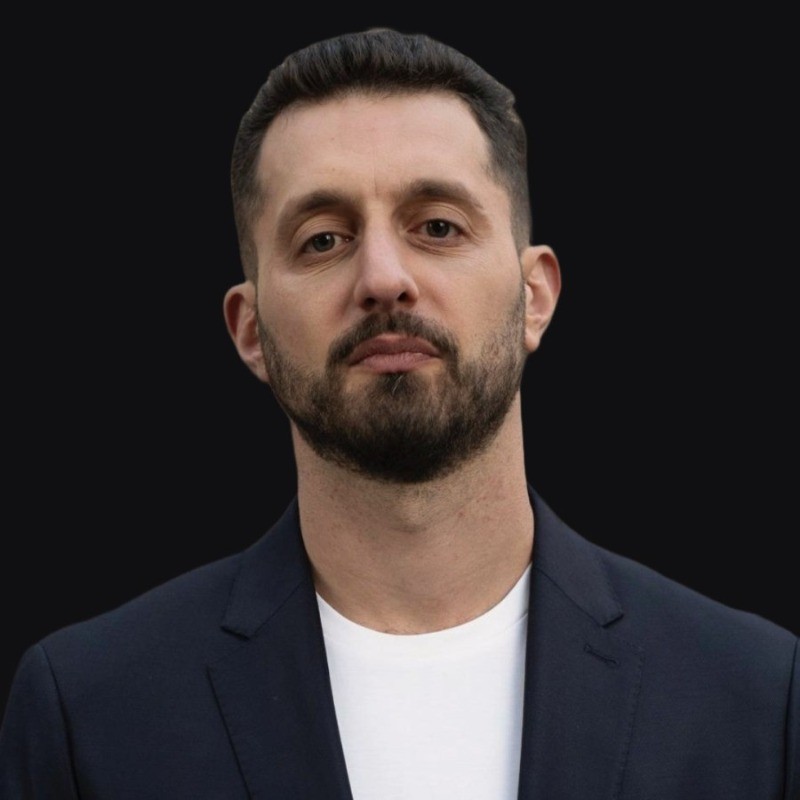

David Weisburd
Founder · Weisburd Capital
Stay in the game
David Weisburd says rule one is to stay in the game and rule two is don't break it, because giving up some of your turn to stay in is good for you, investors, and your brand, which compounds.
The answer starts at 41:50.
How I Invest with David Weisburd · Listen on Apple Podcasts
🚀Michal Rokosz
Partner
Seek anomalies
🚀Michal Rokosz says his job is to find the anomalies, since the companies that become decacorns are outliers rather than the regular course of action, so he is skeptical of founders who do everything by the book.
Not Another CEO · Not Another CEO · Read
Rajeev Mantri
Founder / Managing Director · Navam Capital
Never overpay
Rajeev Mantri says one should never overpay, because overpaying for an asset makes that investment dead on arrival and you can never claw it back or make it good again.
The answer starts at 34:01.
Founder Thesis · Listen on Apple Podcasts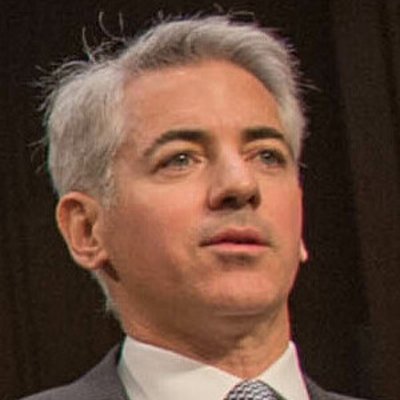

Bill Ackman
Founder and Chief Executive Officer · Pershing Square Capital Management
Assess risk
Bill Ackman says the most important thing an investor has to do is assess the risk, reasoning that a business's value is the present value of the cash it generates over its life.
The Knowledge Project with Shane Parrish · The Knowledge Project with Shane Parrish · Listen at 29:50
Krishna Visvanathan
Co-founder & Partner · Crane Venture Partners
Bet big early
Krishna Visvanathan says his firm's philosophy is to go early and bet on things that could be very large, taking as much risk as possible because they want an even bigger outcome.
The European VC · Watch on YouTube
Morgan Flager
Managing Partner · Silverton Partners
What could go right
Morgan Flager says the most important attribute for a venture investor is asking “what if it goes right,” because people can get caught up in what could go wrong and forget the upside.
VC10X with Prashant Choubey · Watch on YouTube

Brian Singerman
Partner · Founders Fund
No checklist, follow intuition
Brian Singerman says he has no checklist or rubric at all, since attempts to define founders-fund attributes never worked or proved accurate; he just looks for people who spike with him, differently each time.
Uncapped with Jack Altman · Watch on YouTube

Guy Katsovich
Co-Founder & Partner · Fusion Vc
Embrace uncertainty
Guy Katsovich says he embraces uncertainty: he invests where he doesn't know if it will be big or go home, because being really confident means they aren't doing their job right.
N/A · N/A · Listen at 12:23
Steve Kupfer
Partner · Reach Capital
Be comfortable taking risk
Steve Kupfer says his approach is to be comfortable taking risk: as an early-stage venture capitalist, if you're not comfortable taking risk you're in the wrong business, and it's what they're compensated and funded on.
Capital Class · Capital Class · Listen at 15:05

Justin Smith-Lorenzetti
Founder & Managing Director · Intact Private Capital
Back relentless, unstoppable founders
Justin Smith-Lorenzetti says he backs founders who seem like killers who won't let their idea die, because choosing right can generate an outsized return for the fund.
Gopi Rangan · Watch on YouTube

Andrea Hippeau
Partner · Lerer Hippeau
Don’t be afraid to look stupid
Andrea Hippeau says her guiding risk principle is not being afraid to look stupid, since contrarian investments seem stupid on their face and that is how they find alpha.
VC10X with Prashant Choubey · Watch on YouTube

Yuval Ariav
Managing Partner · Symbol
Question assumptions
Yuval Ariav says his guiding principle is to question assumptions, because reality changes and few past lessons are immortal, so he asks whether an assumption still holds.
N/A · N/A · Listen at 32:31
David Frankel
Managing Partner · Founder Collective
Patience and discipline
David Frankel says patience and discipline guide his investment decisions, because he pushes back on the go-go-go mentality and some great companies just take time to mature.
AI Podcast Summaries from Transcripted.ai (VIDEO) · AI Podcast Summaries from Transcripted.ai (VIDEO) · Listen at 3:24

Sam Altman
Chief Executive Officer · OpenAI
Seek contrarian conviction
Sam Altman says to seek contrarian conviction: develop reasonable conviction in things conventional wisdom says are wrong and accept it may take a long time, because conventional wisdom is often wrong about what matters most and dismissal buys time.
The AI Corner · The AI Corner · Read
Dr. Andre Retterath
General Partner · Earlybird Venture Capital
Avoid false negatives
Dr. Andre Retterath says he avoids false negatives, because the cost is asymmetric: saying no to a company that could return 50 times is far more expensive than a false positive where he loses money once.
How I Invest with David Weisburd · How I Invest with David Weisburd · Listen at 1:13:26Matt Murphy
Partner · Menlo Ventures
Focus on upside
Matt Murphy agrees with focusing on upside rather than downside mitigation, saying that doubt from yourself or others makes you dramatically worse, so they try to build a high-trust environment.
20VC with Harry Stebbings · Watch on YouTube
More Venture Capital questions
View all →- What core value ensures lasting impact in your work?13 answers
- What lesson shapes your investment decisions most?16 answers
- How do you balance risk in your VC portfolio?6 answers
- What qualities do you seek in founders before investing?13 answers
- Which founder traits matter most for early investment?15 answers