InsightsLatest
Latest from Drip
Deep dives, recaps, weekly briefs, trends, and expert answers, newest first.
Deep dive
LiteLLM Breach Exposes AI Supply Chain’s Achilles’ Heel—and Compliance’s Blind Spots
A single LiteLLM breach has exposed just how dangerously brittle and interconnected the global AI software supply chain has become—leaving millions vulnerable and compliance frameworks looking obsolete.
Deep dive
Ethereum’s AI Bug Hunters Find Real Flaws
Ethereum’s AI-powered bug hunters are exposing real blockchain flaws at unprecedented speed, but human experts remain the final gatekeepers in a high-stakes, global cybersecurity arms race.

Deep dive
AI-Powered npm Attacks Expose Deep Flaws in Supply Chain Security
AI-powered npm supply chain attacks like SANDWORM_MODE are exploiting coding assistants and CI/CD pipelines to steal developer secrets and deploy undetectable, multi-stage malware—exposing critical blind spots in open source software security.

Deep dive
AI-Powered Attacks Fuel Patch Panic and Zero Trust Shift
AI-fueled cyberattacks are triggering record-breaking patch panics and forcing organizations worldwide to abandon old defenses for zero trust and autonomous security.
Deep dive
Hormuz Shock Accelerates Asia’s EV Push
The 2026 Iran war and Strait of Hormuz crisis sent fossil fuel prices skyrocketing, igniting a global race for clean energy to shield economies from future shocks.

Deep dive
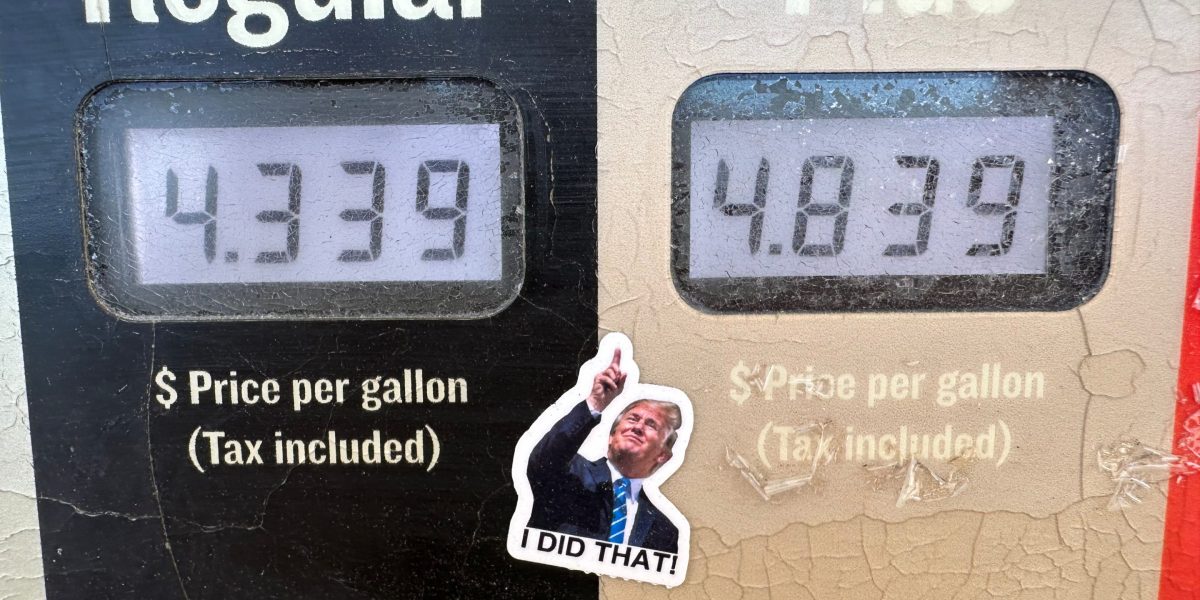
Fuel Frugality: Shoppers Top Off Tanks and Trim Spending as Gas Nears $5
As gas prices flirt with $5 a gallon, Americans are fueling up in smaller doses, slashing spending, and reshaping retail as economic anxiety accelerates.
Deep dive
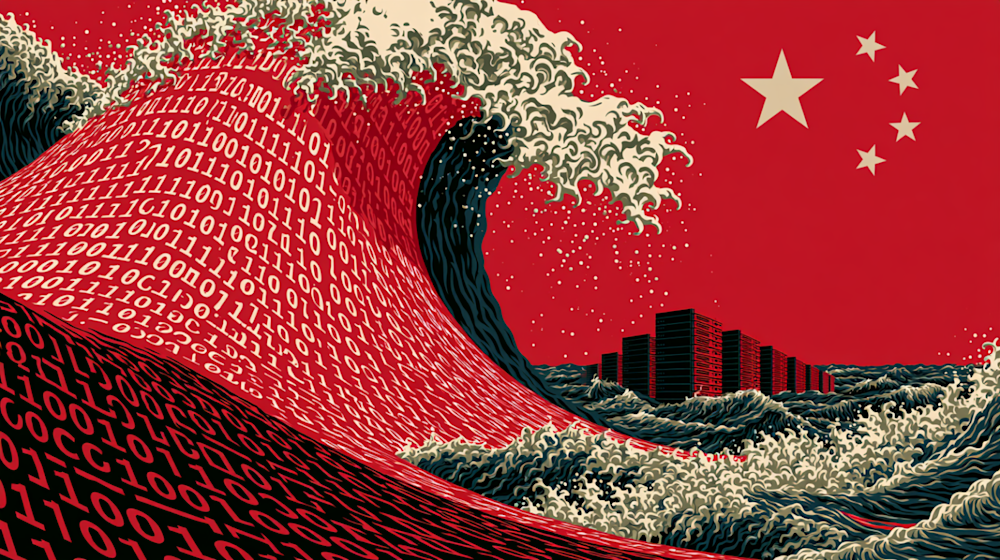
China’s Kimi K3 Rocks the AI World: Open-Source Giant Topples U.S. Dominance, Slashes Costs, and Upends Global Markets
China’s Kimi K3 has shattered the global AI hierarchy, debuting as the largest open-weight LLM with 2.8 trillion parameters and undercutting U.S. rivals on both performance and cost.
Deep dive
Apple Hands the Baton: John Ternus to Succeed Tim Cook in Generational CEO Shift
Apple is handing over the CEO reins from Tim Cook to hardware chief John Ternus, marking a generational and strategic pivot designed to ignite product innovation as the company turns 50.

Deep dive
Anthropic’s Mythos Ignites AI Cybersecurity Arms Race as Regulators Scramble to Catch Up
Anthropic’s Mythos AI has ignited a global cybersecurity arms race by autonomously unearthing thousands of zero-day vulnerabilities—leaving regulators and defenders scrambling to catch up with AI’s explosive dual-use power.
Deep dive
AI SEO Shifts From Clicks to Credibility
AI-powered answer engines are rewriting the SEO rulebook, shifting the focus from chasing clicks to building brand credibility and measurable revenue.

Deep dive
AI Data Center Boom Meets Grid Moratoriums
America’s AI data center boom is overwhelming the power grid, forcing states into moratoriums and tech giants into a high-stakes clean energy arms race.

Trend
Fed Fractures Fuel Market Mayhem: Warsh-Powell Power Struggle Roils Rates, Rattles Investors
An unusual internal rift at the Federal Reserve—between a new, more hawkish chair and a predecessor who remains an active voting member—has fractured expectations for how quickly policy will pivot, amplifying rate volatility across markets. This leadership uncertainty is colliding with renewed inflation pressures driven by geopolitical supply shocks, including oil above $100 and persistent food inflation, while high federal debt limits flexibility. As long-term Treasury yields push above 5%, housing and risk assets are destabilized, reshaping borrowing costs and forcing investors to reprice duration risk for years.
Trend
Crypto War Bets Ignite Senate Ban as AI and Insider Scandals Roil Prediction Markets
Crypto-based prediction markets are shifting from speculative entertainment to a high-speed channel for information advantage, as insider access and classified leaks have revealed exploitable national security gaps. The immediate driver is the ability to translate non-public intelligence into outsized returns, amplified by algorithmic trading, AI-assisted decisioning, and encrypted communications that make detection and enforcement difficult. In response, regulators are escalating turf battles—federal and state authorities contest jurisdiction while Congress moves to restrict lawmakers’ participation. The arc matters because it threatens market integrity, public trust, and the broader legitimacy of crypto prediction platforms.
Trend
Oil Reserves Run on Empty: Global Energy Crisis Outpaces Emergency Fixes
A record emergency drawdown of strategic petroleum reserves—about 400 million barrels by the U.S. and allies—has temporarily blunted the Hormuz-driven supply shock, but it is only a short-lived bridge, covering roughly 100–120 days while leaving inventories at decades-low levels. The underlying shift is from manageable volatility to structural tightness: physical crude and refined products are decoupling from futures as refiners and logistics operators bid aggressively to avoid shutdowns, while jet fuel shortages propagate inflation and rationing across airlines and manufacturing. This matters because the crisis is outpacing refill capacity and coordination, turning emergency policy into a recurring constraint that threatens refinery operations, economic stability, and global trade.
Trend
AI Mega-Funds Tighten Their Grip as SpaceX’s $2T IPO and Power Laws Redraw Venture’s Winners’ Circle
Venture capital in 2026 is consolidating into a winner-take-most system driven by power-law returns, where a small share of mega-exits—amplified by concentrated ownership and disciplined AI-focused strategies—accounts for most gains. This shift is reinforced by mega-funds’ “gravity wells,” which concentrate capital, top founder talent, and exit leverage, even as LP pools tighten and fundraising stays competitive despite large amounts of dry powder. A looming $2T SpaceX-style IPO and the rise of publicly traded pre-IPO vehicles are reshaping liquidity, while passive capital increasingly dictates which venture-backed companies can realistically reach IPOs.
Trend
War, Wagers, and Watchdogs: Iran Insider Trading Scandal Sparks Crackdown on Crypto Betting Markets
The arc centers on a growing shift from loosely regulated geopolitical speculation toward tighter oversight of both traditional and crypto prediction markets. Triggered by suspicious trading patterns that appear to track high-level political announcements during the Iran conflict, regulators and lawmakers are responding to the drivers of anonymous, high-speed wagering, regulatory fragmentation, and limited enforcement capacity. The market-level consequence is a crackdown that treats war-related bets as a potential conduit for insider trading and conflicts of interest, using AI-assisted monitoring and proposed bans to close loopholes. This matters because it tests whether markets can remain credible when political information becomes tradable.
Trend
Drone Downturn: Pentagon Turmoil, Shahed Copycats, and the Strait of Hormuz Power Play Upend U.S. Defense Strategy
The arc centers on a shift from traditional, platform-centric airpower toward fast, layered counter-drone and rapid adaptation—triggered by Iran’s escalating use of inexpensive UAVs and its pressure campaign around the Strait of Hormuz. Repeated U.S. drone losses and allied strain have exposed leadership gridlock and procurement inertia, slowing battlefield learning and undermining trust. In response, the Pentagon is accelerating reverse engineering of Shahed-style systems and deploying cost-effective countermeasures, while Gulf partners reorder priorities under energy-market shocks. The trend matters because it is redefining how defense organizations innovate, buy, and coordinate under drone-dominated, information-contested warfare.
Trend
S&P 500’s ‘Most Hated Rally’ Wobbles as Historic Thursday Slump Signals Deeper Market Jitters
A short-squeeze rebound and cooling US–Iran tensions have given way to a more fragile market regime, marked by a rare nine-week streak of Thursday declines and persistent resistance on major technical levels. The underlying shift is from geopolitics-driven risk relief to oil- and inflation-sensitive sector rotation, with high crude prices sustaining strength in energy, defense, and staples while pressuring travel and discretionary stocks. Despite sizable inflows into volatility-linked products and bullish options, breadth deterioration and mechanical selling keep upside capped, signaling that investor positioning and market structure remain vulnerable to abrupt swings.
Trend
Holy War at the Pentagon? Hegseth’s ‘Crusader’ Worship Services Ignite Church-State Firestorm
An ongoing arc is emerging in which militant Christian nationalism is increasingly being fused with U.S. defense institutions, collapsing long-standing church–state boundaries and reframing foreign policy conflicts in explicitly sacred terms. The underlying shift is the “sanctification of war,” driven by political mobilization around cultural identity, the influence of religious media aesthetics, and personnel and messaging changes that elevate ideological conformity within military leadership. This matters because it risks distorting both democratic secular governance and the legal/diplomatic norms that constrain the use of force, while intensifying polarization at home.
Trend
Mortgage Meltdown: FICO's 'Ficopoly' Faces Heat as Sky-High Credit Scoring Fees Spur Calls for Competition
Mortgage underwriting is entering a cost-and-competition inflection point as credit scoring fees—especially those tied to FICO—have surged more than tenfold in just a few years, driven by entrenched pricing power and limited switching options. Lenders and housing industry groups are pushing regulators to accelerate approval of alternative scoring models such as VantageScore, which could reduce costs by hundreds of millions annually, while also demanding oversight of fee practices. The shift matters because higher scoring costs propagate into mortgage pricing and access, and stalled reform plus operational delays are prolonging uncertainty even as newer models (e.g., FICO 10T) promise broader coverage and potential savings.