InsightsLatest
Latest from Drip
Deep dives, recaps, weekly briefs, trends, and expert answers, newest first.
Trend
BlackRock’s Uniswap Move Pushes Tokenized Funds Into DeFi Distribution
BlackRock’s Uniswap integration signals a new phase for tokenized funds: getting assets onchain is no longer enough, and the real competition is over how they are distributed and used inside DeFi. As more regulated products move onchain, value shifts to the infrastructure that can price, move, and settle those assets across protocols without trapping them in issuer-controlled silos. The next wave of winners will be the platforms that turn tokenized funds into liquid, deployable onchain capital.
Trend
Aave Is Becoming the Default Warehouse for Non-USD Collateral
Aave is becoming the default warehouse for non-USD collateral, led by its dominant share of EURC deposits and growing inflows of euro- and gold-backed assets. That matters because DeFi competition is shifting from chain selection to collateral selection: the protocols that can safely hold dense, specialized assets and keep them productive will capture more institutional flow. The next phase of lending growth will favor venues with strong risk tooling, cross-chain execution, and broad collateral support.
Trend
Germany Turns Sovereign AI Into a Procurement Template
Germany is converting sovereign AI into a repeatable procurement template by funding and buying integrated AI infrastructure for public administration. The shift matters because it moves sovereignty from rhetoric to budgeted infrastructure, reducing dependence on U.S. hyperscalers while creating demand for packaged, compliance-ready stacks. That model is likely to spread across regulated sectors and other countries as AI capacity becomes a national infrastructure priority.
Trend
Microsoft, Nebius, and BlackRock Turn AI Capacity Into a Distribution Race
AI capacity is shifting from a supply constraint to a distribution strategy, with major players using data centers, power access, and financing to control how AI reaches customers. Deals like Microsoft-Nebius and BlackRock’s infrastructure acquisitions show that scarce compute is increasingly being packaged as a channel to market. The next competitive edge will come from owning the infrastructure stack that turns megawatts into contracted enterprise access.
Trend
TSMC’s Arizona Escalation and Google’s TPU Tie-In Tighten the AI Bottleneck
AI infrastructure is increasingly constrained by the ability to assemble memory-rich, tightly integrated systems rather than by accelerator wafer supply alone. TSMC’s Arizona escalation, Google’s TPU-linked custom chip activity, and parallel HBM and packaging expansions show capital flowing to the chokepoints that determine whether AI capacity can actually be deployed. That shift is concentrating bargaining power with foundries, memory makers, packaging specialists, and hyperscaler-aligned design partners.
Trend
Robotic Surgery Expands Into Multi-Specialty Hospital Rollouts
Robotic surgery is entering a broader hospital rollout phase, with systems being deployed across multiple specialties instead of confined to flagship programs. That shift matters because the commercial winner is increasingly the platform that can drive utilization, support training, and fit existing OR workflows. The next stage of growth will likely come from specialty expansion, AI-enabled navigation, and clearer procedure-specific regulatory approvals.
Trend
CMS and Epic Turn Connectivity Into a Harder Commercial Gate
Connectivity is moving from a technical feature to a commercial gate in medical devices. CMS’s proposed RPM/RTM changes would make reimbursement depend on tighter transmission thresholds, patient relationship rules, and staffing structure, while Epic’s MyChart Device Certification Program adds a separate integration hurdle before devices can reach clinical workflows. The result is a market that increasingly rewards vendors that can prove standards-based interoperability, workflow fit, and compliant service delivery.
Trend
Benchmarking and Pre-Release Scrutiny Enter the AI Governance Stack
AI governance is moving from documentation to demonstrable control, with benchmarking and pre-release scrutiny becoming part of the release stack. That shift matters because founders now need to prove models, data flows, and launch decisions can withstand regulatory, customer, and security review. The direction is toward evidence-rich workflows that combine product, legal, and security into one approval path.
Brief
This week's briefs · August 3, 2026
- AI triage becomes the new R&D gatekeeper, scientists supervise algorithms, and throughput explodes
- AI turns the VDR into a diligence operating layer, accelerating search, summarization, and Q&A
- AI Supervision, 24/7 Treasury, and Continuous FP&A Rewrite Finance Operations
- AI Governance Takes Over Admin Work, Office Management Becomes Shared-Space Orchestration
- Governed agents, self-serve experimentation, and always-on decisioning reshape product operations
- AI-driven accounting controls, assurance-ready ESG reporting, and exception-based automation
- Autonomous support resolution, supervised AI customer operations, and governed knowledge retrieval
- AI Reshapes Research, Disclosure Becomes UI, and Accessibility Enters Compliance
- Oracle, HubSpot, and Snowflake tighten AI agent governance, testing, and deployment controls
- AI answer visibility becomes measurable PR, provenance infrastructure replaces volume PR
- Secondary liquidity goes operational, fund ops unifies workflows
- Compliance Becomes Machine-Readable, Filing-Ready Execution Tightens, and Medicaid Policy Turns Fiscal Risk Model
- AI-Controlled Operations, Self-Service Labor Allocation, and the Rise of Exception Management
- In-app guidance becomes workflow orchestration, CS teams design adoption, and usage must prove out across regions
- AI answer visibility, supervised marketing agents, and governed verification reshape marketing operations
- Infrastructure and policy clearance now gate capital, tariffs reshape sourcing and planning
- Marketplace listings become partnership operations infrastructure, and partnership trust becomes an audit and control problem
- DPI Pressure Tests Governance, and AI Embeds Diligence Execution
- Continuous risk scoring, hardware roots of trust, and agent-supervised EDA
- Defensible AI Workflows, Supervised Legal Ops, and AI Contracting Replace Manual Review
- Agentic BI workflows, persistent operational monitoring, and a shift from report builder to operator
- Continuous tariff network redesign, end-to-end warehouse automation platforms, and broader operations fluency
- Agentic Revenue Ops Replace SDR Work, Recasting Reps as Workflow Supervisors and Prompt Designers
- Governed AI Coding, Provenance Gates, Cost-Aware Routing, and Internal Platforms
- AI Agents Become Privileged Identities, IT Ops Shifts to Supervision, and AI Infrastructure Goes FinOps
- AI Orchestrates Lead Triage, Jurisdiction-Specific Data Rails Reshape Cross-Border Dealmaking
- AI-first HR service delivery, centralized always-on support, and coordinators shifting to workflow design
- Governed AI Brand Design, Regulated Creative Production, and Systems-Fluent Designers
- AI answer governance, governed disclosure operations, and outcome-driven internal comms
- Workflow orchestration replaces record-keeping, and always-on retention scoring replaces manual health reviews
- Governed AI Workspaces, Proof-Mode Governance, and Infrastructure-Style Compute Financing
- CRM becomes the agent control plane, lead routing becomes revenue orchestration
- Agent-Orchestrated Hiring, Auditable Recruiting, and Compliance-First Talent Operations
- Risk Containment Goes Embedded, AI Governance Moves to Continuous Control Testing
- Robotic Surgery Scales, Workflow Control Tightens, and Regional Manufacturing Becomes a Moat
- Trust Becomes the Data Moat, AI Becomes the Operating Stack, and Care Becomes Reimbursed Infrastructure
- Software-led charging, regional battery buildouts, and local EV production reshape the market
- Grid-Forming Becomes Mandatory, Duration Reprices Storage, and Large Loads Buy Reliability
- Infrastructure wins in diagnostics, AI embeds in workflows, and serial testing drives oncology revenue
- SLA-Backed Robotics, End-to-End Goods Handling, and Full-Stack Platform Consolidation
- Execution-layer AI, RealPage’s First Amendment fight, and governments buying live property software
- Autonomy Takes the Margin, Fleet Software Takes Control, and Compliance Becomes the Gatekeeper
- Platform control, managed orbital services, and industrial capacity define the new space market moat
- Compliance moves from oversight to execution, and supply chains shift to autonomous control
- Capital Flows to Asset-Light Insurance Platforms, Validated Risk Data Becomes Infrastructure, and Live Event Intelligence Powers Catastrophe Decisions
- Banks, X, and Western Union show control shifting to the credential and settlement stack
- Packaging Becomes the Bottleneck, Power Gates AI Growth, and Photonics Moves to Capacity Buildout
- Agent Governance Becomes the Moat, Runtime Ownership Becomes the Battleground, and API Monetization Centralizes
- Cross-Border Compliance Tightens, Real-Time Fraud Intercepts, and Unified Financial-Crime Platforms Raise the Bar
- Compliance as a Service, Scale as the Moat, and Drone Data Moves Into Enterprise Systems
- Sovereign AI Becomes Procurement, Orchestration Wins, and Infrastructure Bottlenecks Bite
- Tax-Aware Managed Accounts, Open Banking at Scale, and Tokenized Securities Enter Regulated Distribution
- Reserved capacity, state-backed biologics execution, and platform-premium M&A reshape dealmaking
- Unified data-to-execution layers, sales workflow ownership, and metered AI pricing
- Credit-backed AI buildouts, enforced grid access, portable control planes, and cloud spend governance
- Stablecoins Go Regulated, BlackRock Enters DeFi Distribution, and Lending Prunes Dead Liquidity
- Domestic Rails Expand, Networks Tighten Merchant Controls, and Visa Pivots to Services Engine
- PQC procurement locks in, silicon spin scales, and verifiable fault tolerance becomes the benchmark
- Mission stacks overtake airframes, software becomes the moat, and capacity/localization drive defense demand
- Grid-Flexible Charging Assets, Standardized Heavy-Duty Rollouts, and Tighter Compliance Gates
- Commercial Miles Replace Milestone Revenue, Regional Stacks Harden, and Safety Evidence Becomes the Gatekeeper
- Reuse-First CCS Reaches Construction, CO2 Access Becomes the Moat, and CBAM Tightens Trade Pressure
- Regulated settlement rails, issuer-controlled cross-chain settlement, and Circle’s OCC bank charter
- AWS and Dynatrace Put Guardrails on Agentic DevOps, Governed Automation Becomes the New Buying Criterion
- OEM vision modules, retrofit autonomy, and AI breeding move control upstream
- Agent Control Planes, Power-Backed Expansion Rights, and Sovereign AI Buildouts
- Metadata Becomes the AI Bottleneck, Sovereignty Moves Into the Data Control Plane
Trend
China’s Meta-Manus Crackdown Sparks AI Cold War, Fractures Cross-Border Innovation
China’s crackdown on “Singapore-washing” and other regulatory arbitrage marks a shift from permissive cross-border AI investment toward tighter state control over sensitive technology, including indirect foreign influence. Driven by rising national-security concerns and US-China tech rivalry, Washington is simultaneously folding major AI firms into security frameworks and pursuing measures intended to slow China’s progress amid IP-theft allegations. Together, these moves are fracturing East Asia’s innovation and capital networks, increasing deal reversals and legal exposure for startups and investors. The result is an emerging AI “cold war” where access to models, compute, and funding is increasingly governed by geopolitics rather than market efficiency.
Trend
Claude Design Shakes Creative Software Giants as AI Race Heats Up, Figma Falters
The ongoing arc centers on a shift from human-driven, tool-by-tool creative workflows toward AI-native design platforms that can generate, iterate, and even code at scale. Anthropic’s Claude Design—powered by advanced model infrastructure—has accelerated this transition by automating most of the end-to-end process, pressuring incumbents whose AI features are less integrated and more costly to deliver. The market is now being reshaped by three drivers: compute supply constraints, the ability to build proprietary or tightly coupled AI pipelines, and rising scrutiny over ethical use and creative agency. This matters because design software is becoming a compute-intensive, platform-level battleground rather than a primarily UI-and-collaboration product.
Trend
Green Tech, Red Lines: China’s Clean Energy Grip Sparks Global Realignment
China’s clean-tech industrial scale has shifted global energy transition supply chains into a high-dependency model, with Beijing supplying the majority of critical components such as solar panels, wind parts, and EV batteries. That dominance has been reinforced by state-backed capacity and price pressure, while geopolitical tensions and tariff arbitrage have left countries like the UK benefiting from low-cost imports yet increasing exposure to potential export controls on key materials. As US–China rivalry fractures older Western alignment, governments are realigning policies toward economic security, accelerating diversification, and reshaping clean-energy markets into regional, multipolar blocs.
Deep dive
Context Layers Become AI’s Secret Sauce: Enterprises Race to Unify Knowledge and Crush Error Cascades
Enterprise AI is getting a reliability upgrade as context layers unify fragmented knowledge, slashing error cascades and turning scattered agents into trustworthy collaborators.

Deep dive
Token Tensions and Efficiency Wars: AI Giants Battle for Cost-Effective Brains in 2026
AI giants are locked in a fierce battle to deliver smarter, faster, and cheaper models—forcing enterprises to rethink how they deploy and pay for intelligence in 2026.
Deep dive
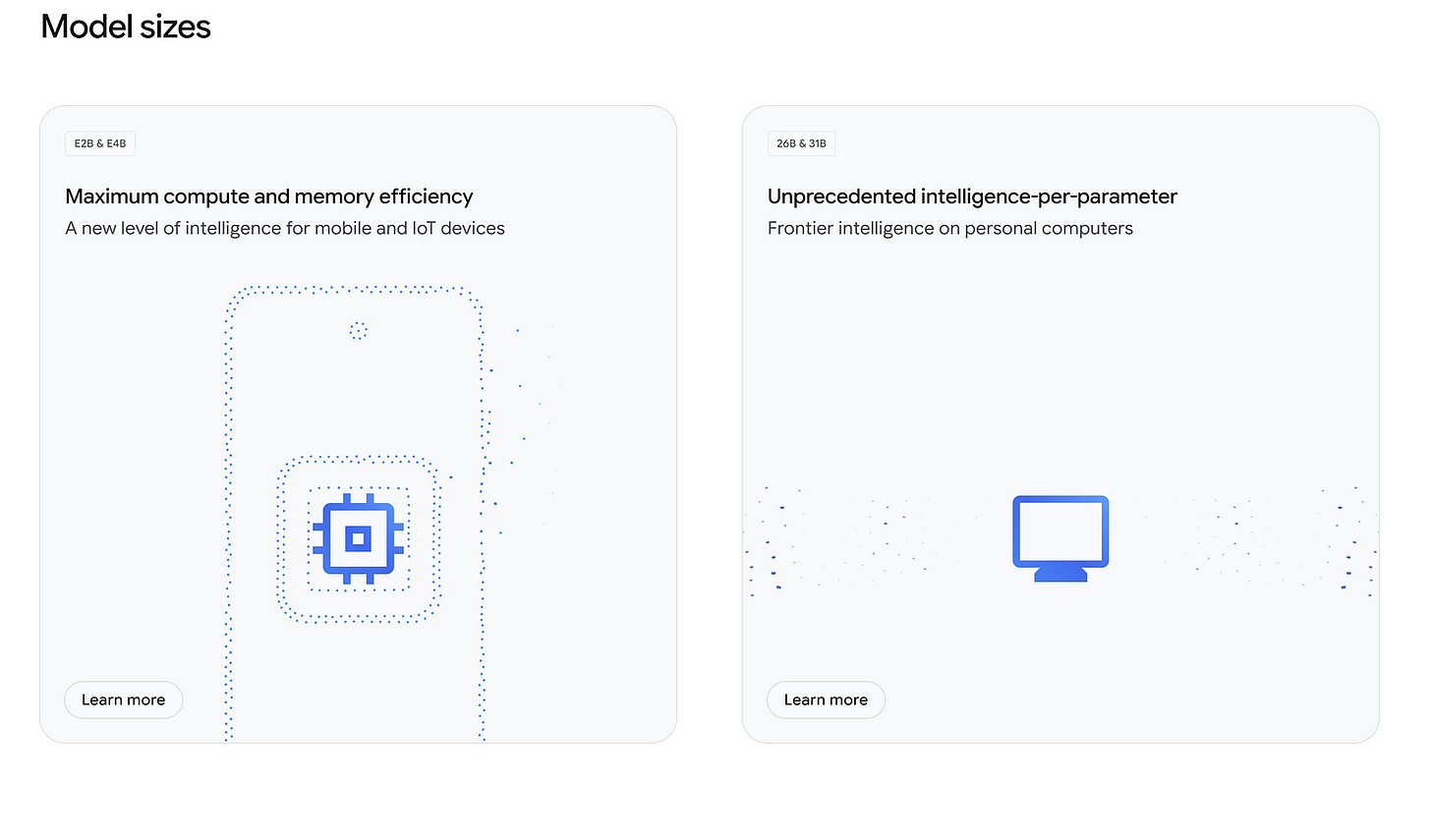
AI Agents Get Smarter and Cheaper: Persistent Memory, Modular Swarms, and Token Diets Tackle 2026’s $67B Hallucination Crisis
AI agents are slashing costs and hallucinations with smarter memory, modular teamwork, and leaner token diets—just in time to tackle a looming $67B enterprise crisis.

Deep dive
Modular AI Agents Gain Speed, Cut Costs in 2026
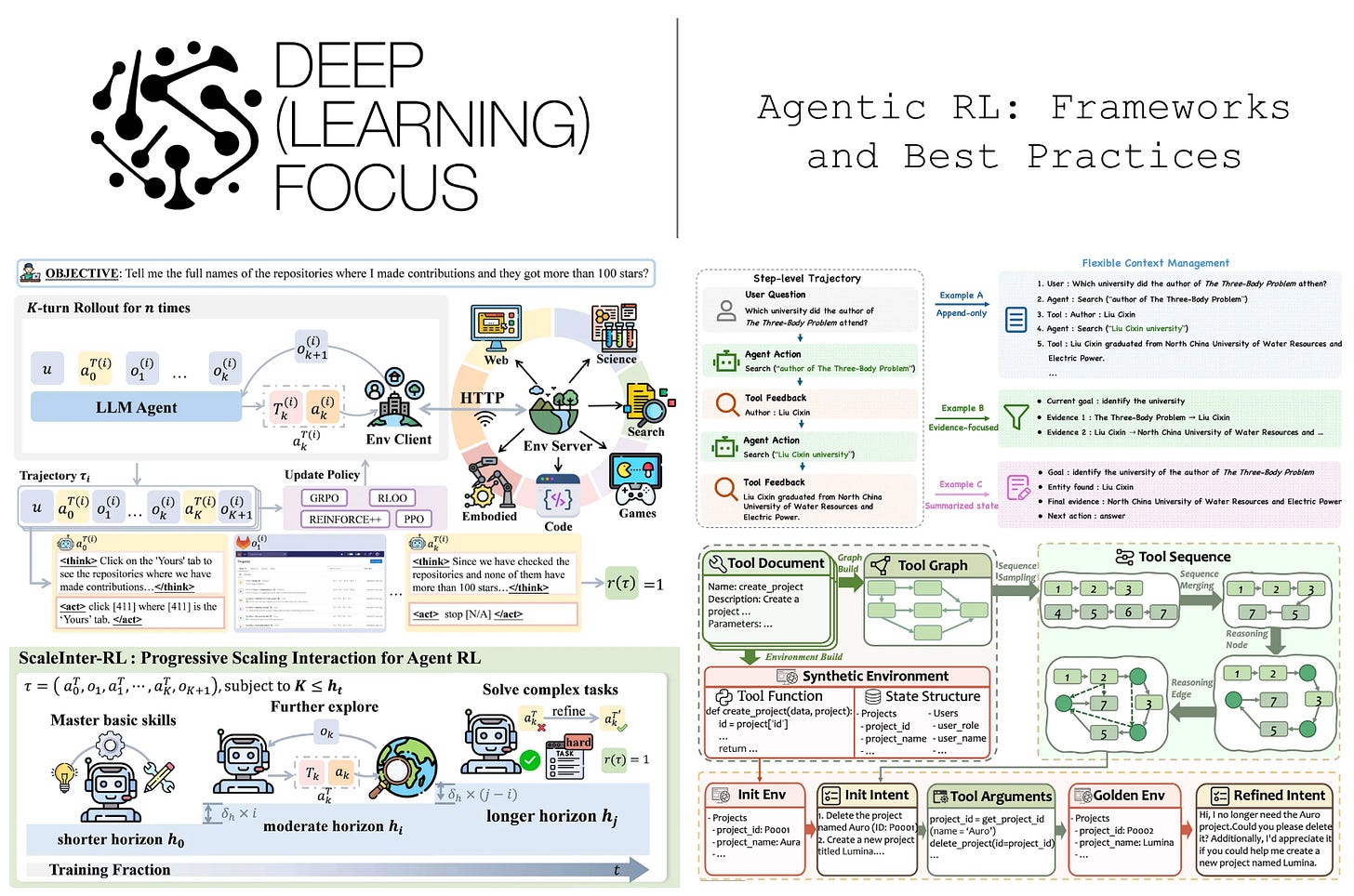
Modular AI agent frameworks are doubling developer productivity and slashing costs, igniting a high-stakes arms race for smarter, self-improving enterprise AI in 2026.
Deep dive
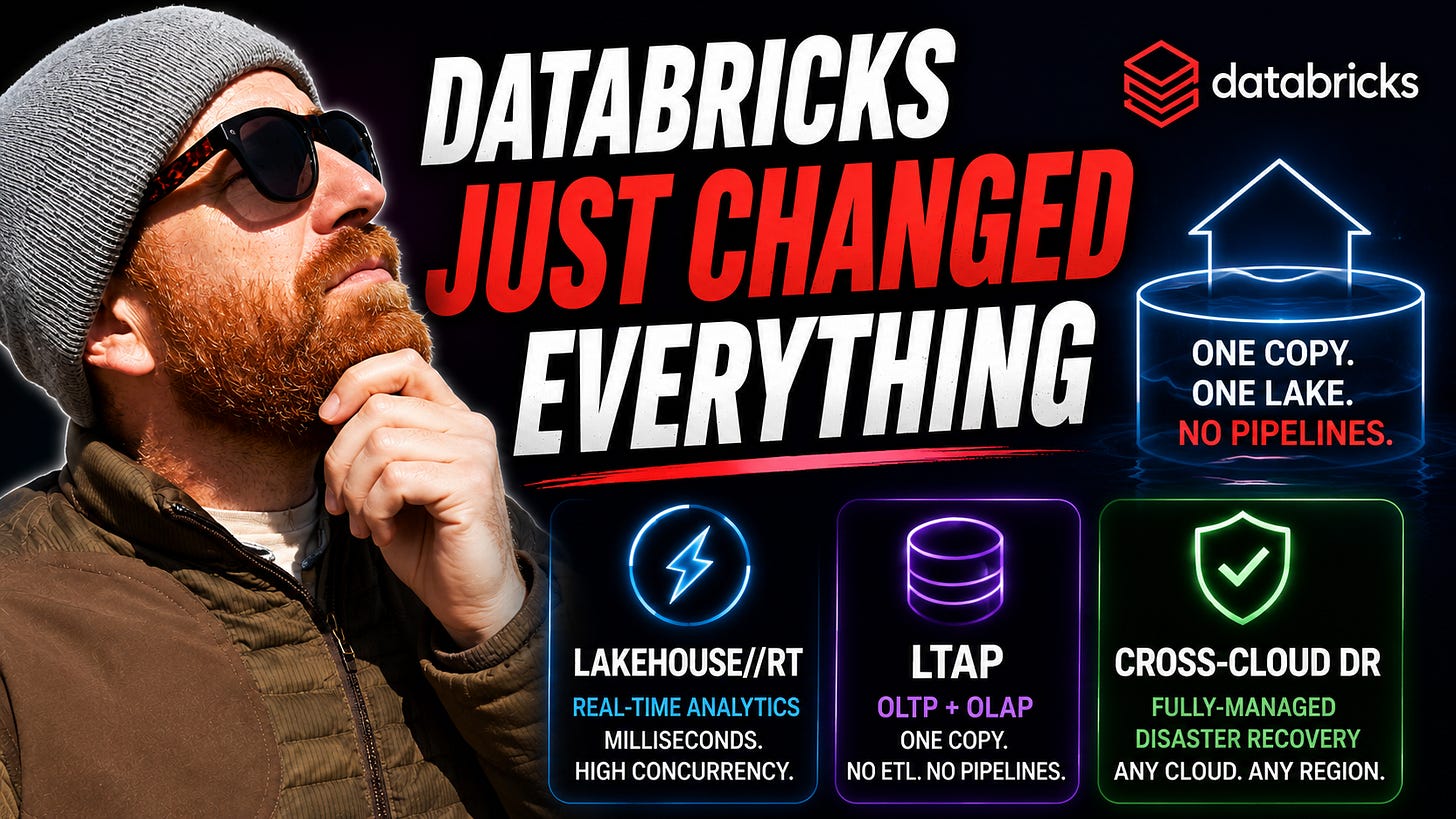
Databricks Doubles Down on Real-Time AI: Lakehouse//RT Unifies Data, Slashes Latency, and Empowers Non-Tech Users
Databricks is rewriting the rules of enterprise analytics by launching Lakehouse//RT, unifying transactional and analytical workloads at lightning speed—and putting real-time AI in the hands of every employee.
Deep dive
MCP Goes Stateless: Enterprises Rush to Adopt, Security Lags
Enterprises are stampeding to adopt MCP’s new stateless protocol, but a surge in unauthenticated deployments is leaving gaping security holes even as the ecosystem evolves at breakneck speed.

Deep dive
Claude Design Shakes Creative Software Giants as AI Race Heats Up, Figma Falters
Anthropic’s Claude Design is upending the creative software market, sending Figma and Adobe scrambling as AI-native rivals and investor anxieties intensify.
Deep dive
AI Tools Push Developers Into Supervision Roles
By 2026, AI platforms like Atoms and Claude Code have turned developers into AI conductors and made advanced prompt engineering the new superpower for solo founders and tech teams.