InsightsLatest
Latest from Drip
Deep dives, recaps, weekly briefs, trends, and expert answers, newest first.
Trend
Rocket Lab Rockets Past Expectations: Defense Deals, Robotics Buy, and Soaring Stock Fuel New Space Race
The throughline is the rapid shift of commercial space launch providers into defense-anchored, backlog-driven industrial platforms, powered by U.S. missile and hypersonics demand and reinforced by tighter integration with national-security primes. At the same time, the market is accelerating toward vertically integrated space robotics and automation—using acquisitions and supply-chain hardening to improve cadence, reliability, and cost control. This matters because it changes how space companies finance growth (through contracted revenue and recurring systems work) and intensifies competition, effectively fueling a new “space race” where launch capacity, defense relevance, and robotics capability converge.
Trend
Zero Trust Gets Personal: Emotional Leadership, AI Threats, and the CISO’s New Battlefield
Zero Trust is evolving from a technical checklist into a leadership-led business imperative, driven by the reality that most breaches still originate from operational basics—misconfigurations, identity sprawl, and weak asset management—rather than sophisticated hacking. At the same time, AI-enabled attacks are compressing detection and response timelines from hours to minutes or seconds, forcing organizations to adopt layered, proactive controls with human oversight. By 2026, the trend’s throughline is that CISOs and executives must embed measurable accountability and culturally reinforced trust, using emotionally intelligent communication to prevent fragmented security execution and sustain operational discipline.
Trend
Zip Bounces Back: Shares Surge as Trademark Truce Ends Turbulent Year
The arc centers on Zip’s shift from volatility-driven growth to a more durable, fundamentals-led recovery, catalyzed by rapid US expansion and a record profitability milestone. After a turbulent period marked by a sharp market reaction to an Australian trademark dispute, the company’s settlement removed a key overhang, helping investors refocus on operating performance. Underlying drivers include strong credit execution that produced a record $260 million EBITDA and a 40% US growth surge that is increasingly shaping global strategy. This matters because it signals a path toward steadier earnings and reduced regulatory/brand risk in the credit and consumer finance market.
Trend
Westpac Wobbles: Margin Squeeze and Bad Debt Fears Rattle Big Four Bank Shares
Australia’s Big Four banks are entering a new phase where profit growth is increasingly constrained by a structural margin squeeze and rising credit impairment risk. In Westpac’s case, net interest margin fell to 1.89% while credit impairment charges jumped 77%, reflecting weaker loan performance and heightened sensitivity to housing and policy changes. The broader shift is driven by tighter funding conditions, cost pressures, and tax reforms, amplified by global shocks that raise default expectations. It matters because investors are now repricing earnings durability across the sector, forcing analysts to cut forecasts and increasing volatility in bank valuations.
Trend
Kiwi Dollar Sinks, Fuel Prices Soar: New Zealand’s Economy Faces Perfect Storm of Inflation, Job Woes, and Political Jitters
New Zealand’s economy is being pulled into a “perfect storm” as a weakening kiwi collides with global energy shocks and tightening financial conditions. The currency’s slide—amplified by diverging interest-rate policy and limited domestic energy supply—has magnified imported fuel costs, driving sharp petrol and diesel increases that ripple through transport, retail pricing, and manufacturing margins. At the same time, a softening labour market with high youth unemployment and sluggish wage growth is eroding demand, while political infighting and budget uncertainty add policy risk. Together, these forces are stalling growth and raising credit and cost pressures across the economy.
Trend
Nuclear Goes Startup: SMRs Race to Power AI Data Centers as Gridlock, Geopolitics, and Timelines Collide
AI data centers are driving a step-change in electricity demand, and nuclear—particularly small modular reactors (SMRs)—is reemerging as the clean, dispatchable supply that can’t be met quickly by renewables alone. The shift is being accelerated by a new wave of nuclear startups that aim to compress timelines by tackling regulatory and licensing bottlenecks with “startup-speed” execution, while hyperscalers sign long-term power deals to secure capacity amid grid congestion, volatile U.S. power prices, and geopolitical pressure to diversify energy sources. However, the core tension is structural: SMR buildouts typically span a decade, while AI infrastructure planning often runs on much shorter cycles, creating a near-term integration gap that could stall nuclear’s role in powering the next wave of AI compute.
Trend
Super El Niño Unleashes Climate Chaos: Droughts, Food Shocks, and Hurricane Wild Cards Collide in 2026
A record-strength Super El Niño is driving a shift toward more volatile, regime-like weather extremes, with Pacific ocean heat pushing global temperatures and destabilizing rainfall and storm patterns for years. Its drivers—unprecedented sea-surface warming and a historic U.S. megadrought—are colliding with abnormally warm Atlantic conditions, creating a “fewer storms, higher catastrophe” risk profile: hurricanes may be less frequent but can intensify rapidly, while megaflood threats persist alongside severe drought. The market-level impact is cascading food and energy disruption, from crop collapses and commodity price spikes to grid stress and heightened social instability.
Trend
Denver’s Home Values Plunge as Midwest and South Suburbs Steal the Spotlight
Post-pandemic U.S. housing has shifted from a nationwide boom to a regional rebalancing: price declines in once-leading markets like Denver and parts of the West are driven by cooling demand, rising supply, and sellers gradually accepting lower offers. At the same time, persistent inventory shortages—especially in the Northeast—are sustaining seller’s markets, pushing prices higher through intense bidding. The biggest demand pull is toward midsized Midwest and Southern suburbs, where relative affordability, new construction, and population growth are drawing buyers away from major cities and reshaping local market dynamics.
Trend
Uphold Unleashes Crypto-Backed Credit, AI Investing, and Tokenized Assets in Bid to Out-Bank the Banks
The throughline is the rapid re-platforming of consumer finance as crypto evolves from a speculative side asset into regulated infrastructure. Driven by improving regulatory clarity, stablecoin and tokenization rails, and advances in AI-driven portfolio management, platforms are bundling everyday banking features—rewards debit, instant credit, and automated investing—into a single digital ecosystem. This shift matters because it compresses the traditional bank–broker–exchange stack into programmable, asset-backed products, expanding access while increasing competition and forcing incumbents to modernize.
Deep dive
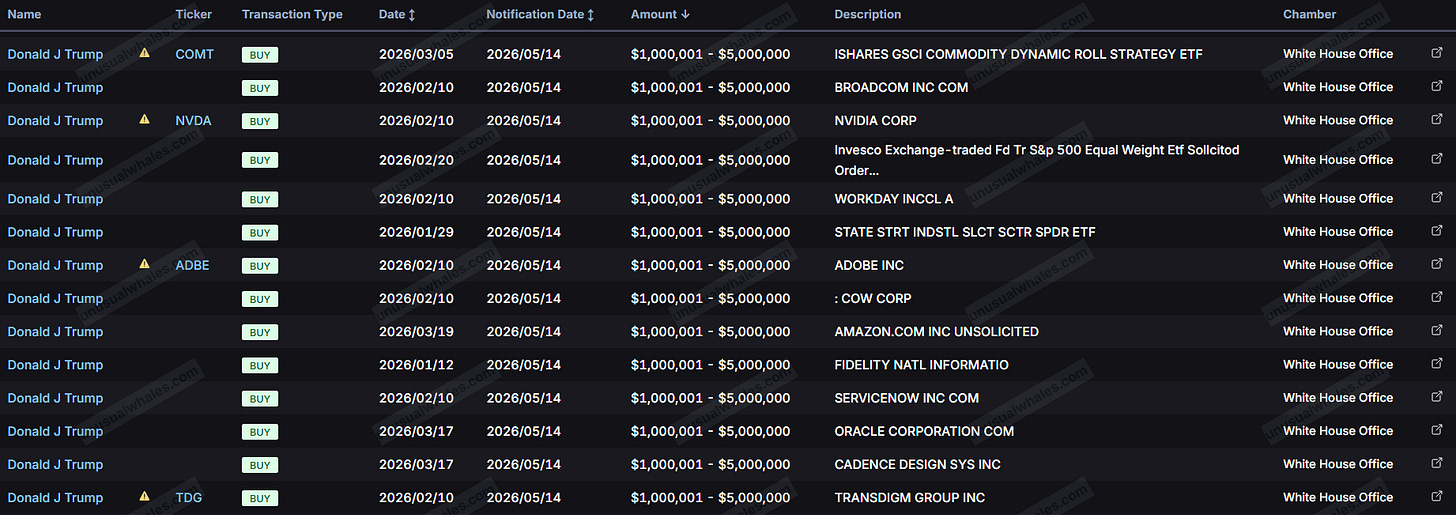
Trump’s Trading Tsunami: DOJ Probe Unmasks White House Market Moves, Sparks Ethics Uproar
A sweeping DOJ probe reveals Donald Trump’s record-shattering 3,700+ stock trades—timed with White House policy moves—igniting an ethics uproar over insider dealing at the highest level.
Deep dive
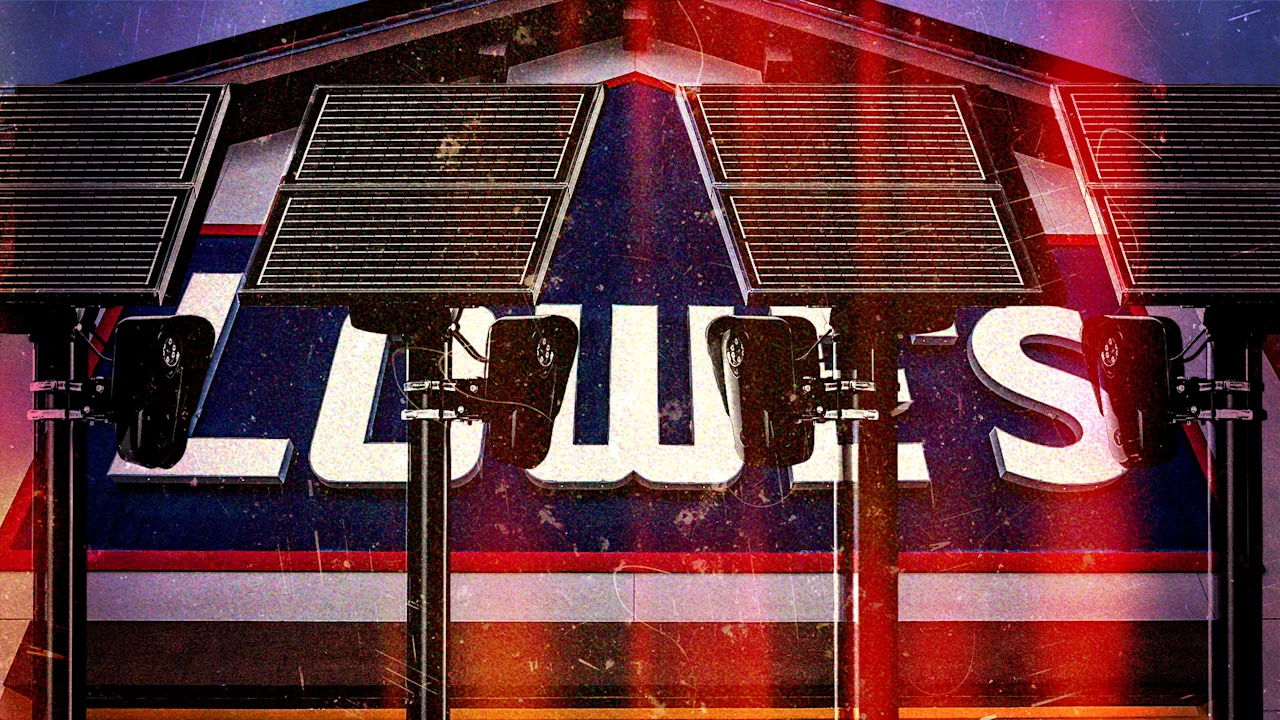
Flock Safety’s AI Drones Slash Crime—But Privacy Alarms Spark National Backlash
Flock Safety’s AI-powered drones are slashing crime rates at record speed—but a privacy firestorm is forcing America to rethink just how much surveillance is too much.
Deep dive
Carmakers Face Privacy Reckoning Over Data Sharing
Carmakers are facing a seismic privacy reckoning, as regulators crack down on unauthorized vehicle data sharing and surveillance tech, forcing sweeping industry changes.

Deep dive
Flock Safety Faces Uproar Over False Alerts, AI Tracking
Flock Safety’s explosive rollout of AI-driven surveillance tools is triggering a fierce national backlash over false police alerts, mass data collection, and secretive tracking of individuals.

Deep dive
Flock’s AI Surveillance Spurs Legal Fights, Public Revolt
Flock Safety’s AI surveillance empire is facing fierce legal, ethical, and public backlash as its 120,000 license plate readers—and new drone and device-tracking tech—spark a national debate over privacy and unchecked policing.

Deep dive
Supreme Court Supercharges Executive Power as Democracy Ratings Plunge: States and Activists Mount Resistance
The Supreme Court has turbocharged presidential power and gutted voting protections, plunging U.S. democracy ratings while fueling a nationwide showdown between state resistance and an emboldened executive.

Deep dive
Trump 2.0 Turns U.S. Agencies into Loyalty Machines, Sparking Bipartisan Alarm Over 'Anti-Weaponization' Slush Fund
Trump’s second term has turbocharged the politicization of federal agencies, unleashing a $1.776 billion 'Anti-Weaponization Fund' and bipartisan alarm over brazen corruption, election interference, and the dismantling of democratic guardrails.

Deep dive
Debt, Power, and the Fracturing of Trust
America’s trust is on life support as economic despair, executive overreach, and algorithm-fueled reality splits push institutions and social cohesion to the brink.

Deep dive
DOJ Becomes MAGA’s Election Enforcer: Trump Team, Supreme Court Supercharge Federal Power to Sway 2026 Midterms
The Trump team, supercharged by the Supreme Court, has weaponized the DOJ and federal agencies to tilt the 2026 midterms, eroding democratic safeguards and turbocharging election subversion.

Deep dive
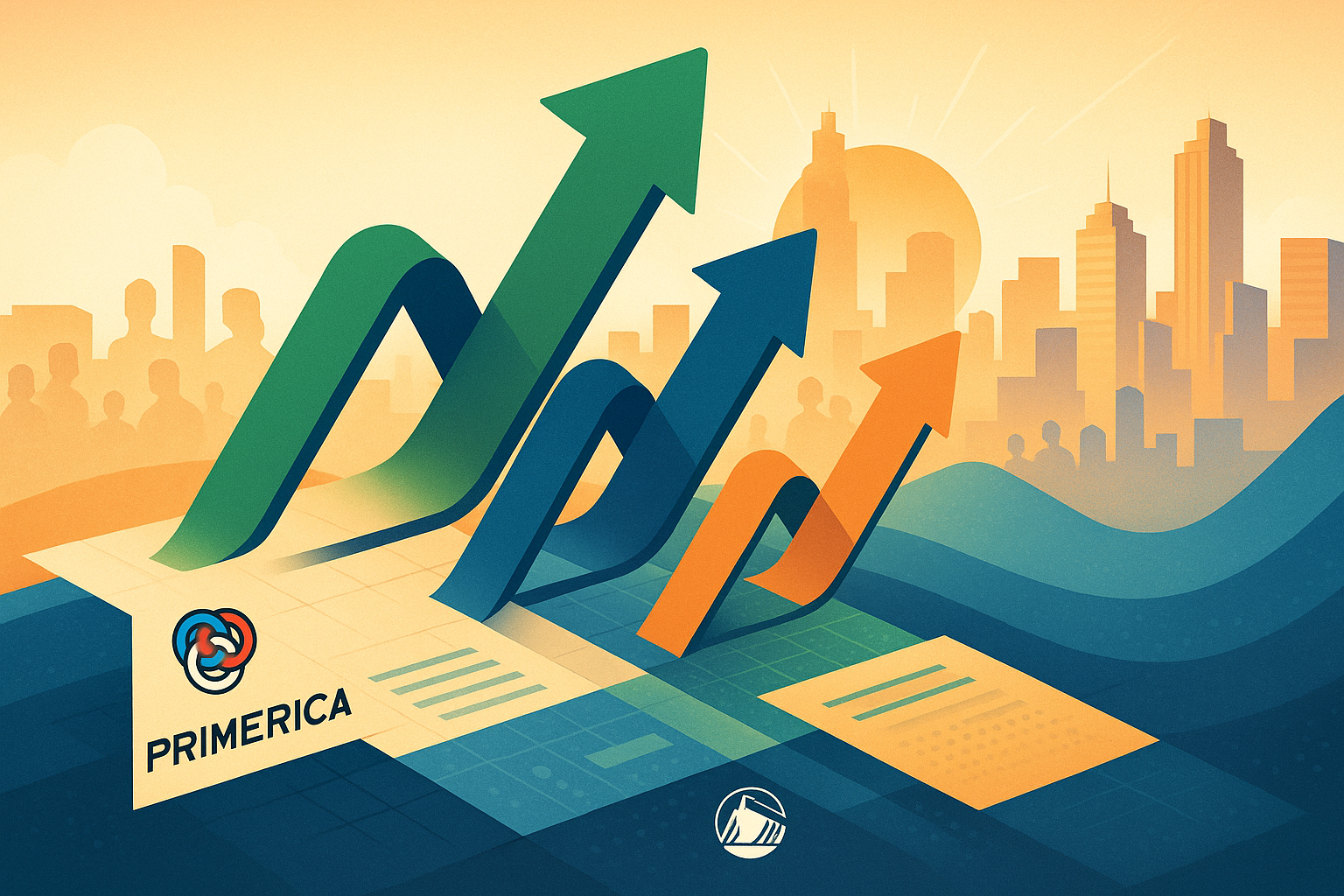
Life Insurers Defy Earnings Logic: Stock Surges Outpace Revenue Misses, Primerica’s Gains Hit Speed Bump
Life insurance stocks are soaring even as Q1 revenues stumble, exposing a growing disconnect between earnings results and market optimism.
Deep dive
Cruise Ship Hantavirus Outbreak Exposes Global Health Blind Spots Amid Climate and Funding Crises
A 2026 hantavirus outbreak on the MV Hondius cruise ship exposed how climate change, slashed public health funding, and fractured global coordination are leaving the world dangerously unprepared for emerging disease threats.